How to Choose the Right Industrial Insulation Contractor in Pakistan
TL;DR: Evaluate technical capabilities, material knowledge, safety practices, and project experience before hiring an industrial insulation contractor in Pakistan. The right contractor will lower energy costs, comply with local regulations, and provide insulation systems built for Pakistan’s extreme climate.
From the textile mills in Faisalabad to the petrochemical plants in Karachi, Pakistan is home to industrial facilities that all suffer from poor insulation leading to massive energy losses during operation. Hiring the wrong contractor is a big waste of money — but the real cost begins when the energy losses, equipment deterioration, and extensive future rework start to accumulate.
This is a decision you need to get right. An effective industrial insulation contractor provides more than insulated pipes and tanks. They develop systems that endure the harsh Pakistani summer, minimise heat exposure to employees, and protect the facility from external thermal threats.
This guide explains exactly what to evaluate when hiring an industrial insulation contractor in Pakistan.
Why Industrial Insulation Is a Necessary Investment for Pakistan’s Industry
Poor insulation directly leads to higher energy costs for facilities — and for the country. Apart from energy conservation, insulation helps in other ways:
- Safeguarding workers from heat-related illnesses and burns
- Stopping condensation and corrosion on exposed metal
- Reducing noise levels in factory settings
- Increasing the durability of mechanical systems
In Pakistan’s climate — where cities such as Jacobabad and Multan touch 45°C daily — effective thermal control in a manufacturing setting is a basic operational necessity.
What Should Industrial Insulation Contractors in Pakistan Have?
Not all insulation contractors have what it takes to complete industrial insulation projects. Industrial insulation is unlike residential or office insulation — it requires specialised systems, high safety standards, and high-temperature-resistant materials.
Technical Skills and Training
Confirm that contractors are registered with the Pakistan Engineering Council (PEC), which establishes minimum standards in engineering and project responsibility. For major projects — especially in oil and gas — contractors with CINI and ASTM material standards certifications have a distinct advantage.
You have every right to ask: What insulation certifications do your technicians hold? A good contractor will be glad to answer.
Knowledge of the Application
Insulation in one industry is vastly different from another. Insulating cold storage facilities is not the same as insulating high-temperature steam pipes in power plants. Provide the contractor with a list of what you need insulated and confirm their experience matches your application.
Evaluating Contractors Based on Quality of Materials
While quality of installation is crucial, the quality of insulation material is equally important. In Pakistan’s extreme temperatures and humidity — especially in Karachi’s coastal areas — low-grade materials break down quickly.
Find out what materials the contractor specifies and why. Common insulation materials for industrial use include:
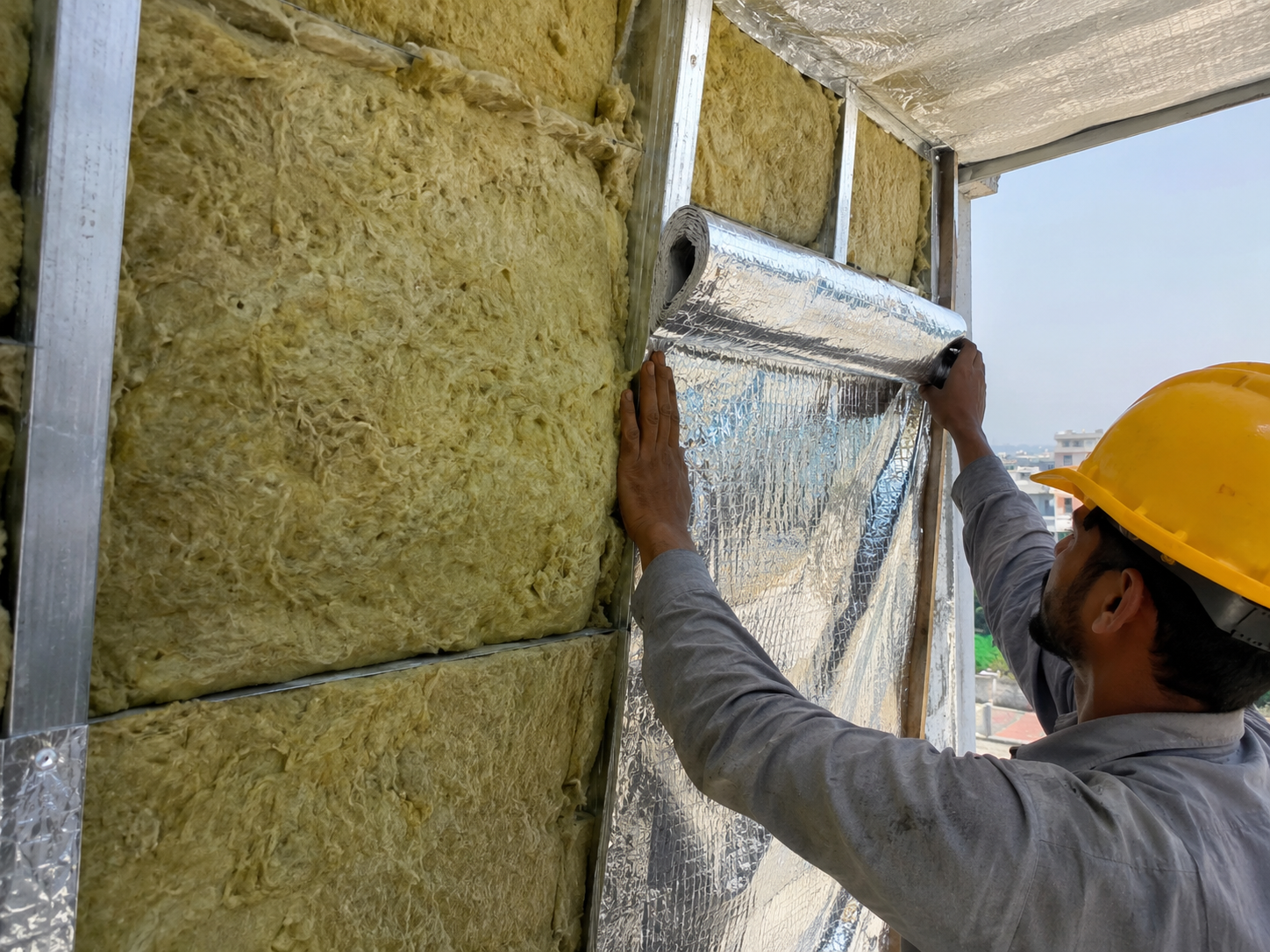
- Mineral wool (Rockwool or glass wool): High thermal resistance, fire-resistant, used mostly for pipe and duct insulation
- Calcium silicate: Better for high-temperature applications above 250°C
- Cellular glass: Better for cryogenic and below-ambient systems
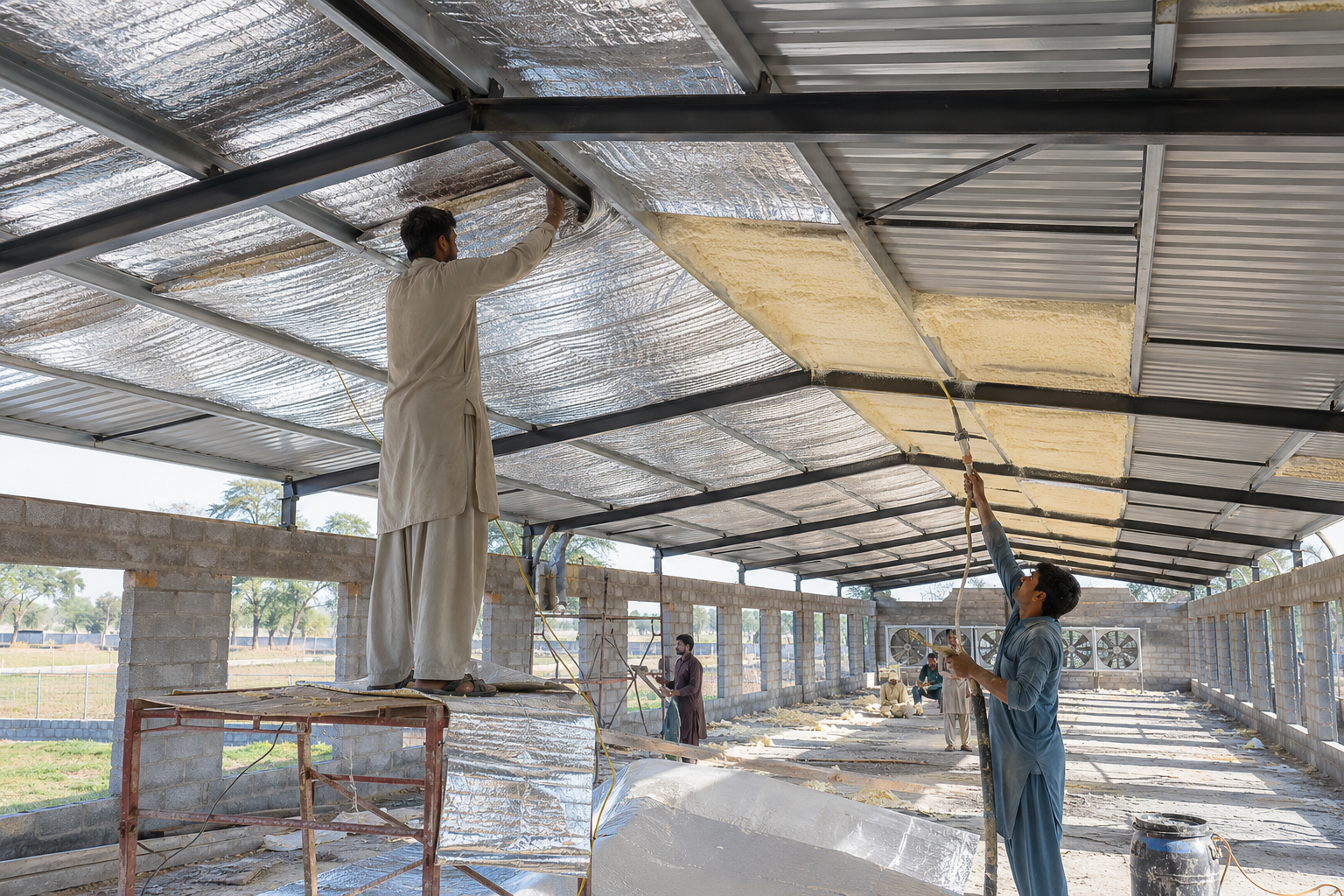
- Polyurethane foam (PUF): Used mainly in cold storage and refrigeration
A good contractor will justify material choices based on operating temperature, moisture conditions, and fire risk — not just cost. Be cautious of any contractor that defaults to the cheapest option without explanation.
What Safety Standards Should a Pakistani Industrial Insulation Contractor Meet?
When insulation work is carried out in an active industrial area — where personnel operate machinery, handle hazardous materials, and work at height — safety is a primary concern. Assess contractors on the following:
- HSE Policy: Do they have a documented Health, Safety & Environment policy they are willing to share?
- PPE: Are workers supplied with and using appropriate personal protective equipment on site?
- Work permits: Does the contractor use a formal permit-to-work system for hot work and confined spaces?
- Incident history: What is their safety record? Good contractors track near misses, not just reportable incidents.
Contractors familiar with ISO 45001 (Occupational Health and Safety Management) provide additional assurance for facilities dealing with international clients or export compliance requirements.
Evaluating the Project History of Insulation Contractors in Pakistan
Case studies and references provide information that proposals cannot. For each contractor being shortlisted, request the following:
- A project list including facility names, project scope, and year of completion
- References from at least two to three prior industrial clients
- Any available data comparing energy use before and after the insulation was installed
Ask references about project scheduling, quality of work, and how the contractor handled problems when they arose. A contractor’s response to issues is often more informative than how they perform under normal conditions.
Warning Signs of a Bad Insulation Contractor
- Excessively low quotes: Significant underbidding usually means cutting costs through subpar materials or unskilled labour.
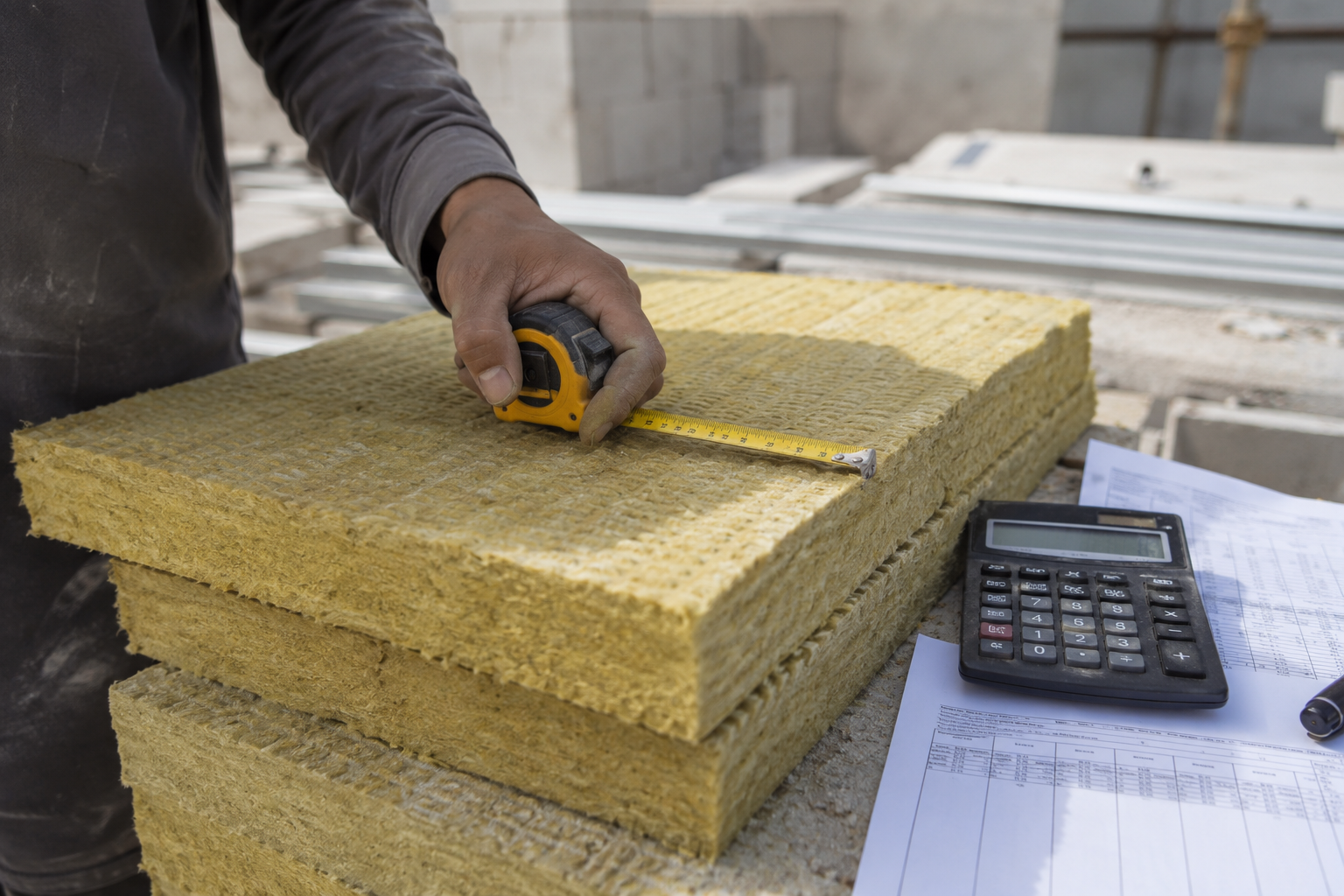
- Vague bid details: A contractor who cannot specify insulation type, thickness, or thermal conductivity does not have a credible proposal.
- No site survey: A contractor quoting without visiting the site is making assumptions — especially dangerous in complex industrial facilities.
- No verifiable local references: A contractor with no verifiable work history in Pakistan carries high project delivery risk.
Local or Foreign Contractor for Industrial Insulation in Pakistan?
Use a Local Pakistani Contractor If:
- Rapid project completion is important and the project is small to medium scale
- Your site is in a secondary city where international contractors have limited presence
- You require ongoing maintenance contracts after project completion
Use a Foreign or Joint-Venture Contractor If:
- Your project involves specialised systems such as LNG storage or cryogenic applications
- Your client or parent company requires an internationally certified contractor
- You can accommodate the cost and timeline for globally certified project delivery
Many of Pakistan’s leading industrial projects combine a local contractor for execution with an international firm providing engineering oversight — meeting both global standards and local delivery requirements.
Getting the Most From Your Contractor Relationship
- Document scope in detail: Contract disputes usually result from vague scopes. Define materials, thickness, finish, testing requirements, and warranty terms explicitly.
- Request a QA/QC plan: Good contractors will measure heat loss and conduct insulation verification testing as a standard deliverable.
- Establish warranty terms: Quality contractors typically warranty their work for one to two years beyond the material manufacturer’s warranty.
Making the Right Call
The insulation contractor you hire will help determine the energy efficiency, safety record, and maintenance costs of your industrial facility for years to come. Choosing based on price alone or in a hurry creates problems that are difficult and expensive to correct.
The best contractors facilitate your decision by answering every question on materials, safety, and experience clearly. Make sure you ask.
Frequently Asked Questions
What Is the Cost of Industrial Insulation Services in Pakistan?
Costs vary based on facility size, insulation type, and project complexity. Small-scale jobs such as pipe insulation may start at PKR 500,000, while full plant insulation can run into hundreds of millions. Request at least three written estimates and analyse the scope in detail before awarding the contract.
How Long Do Insulation Projects Take in Pakistan?
A single building or processing unit typically takes two to four weeks. Full plant insulation may take several months. Contractors should provide a detailed project schedule with major milestones before work begins.
What Is the Best Insulation Material for Pakistan’s Hot Climate?
For high-temperature industrial applications, mineral wool and calcium silicate are the standard. For HVAC and duct insulation in hot climates, closed-cell polyurethane foam is commonly used. Always consider the operating temperature and moisture exposure before selecting a material.
Is PEC Registration Required for Insulation Contractors?
For industrial insulation projects — particularly in energy and petrochemical sectors — PEC registration provides legal and professional safeguards. It is strongly recommended that you engage only PEC-registered contractors for industrial work.
How Do I Check a Contractor’s Safety Record Before Hiring?
Ask for HSE statistics for the past two to three years, including Lost Time Injury (LTI) rates and any reportable incidents. Contact past clients and ask directly about on-site safety practices. Safety-conscious contractors are always willing to provide this information.
📞 +92-21-34529722
✉ [email protected]
🌐 www.pakinsulation.com