Boiler, Furnace & Power Plant Insulation in Pakistan: High-Temperature Specifications
Insulating a ceiling is one skill. Insulating a boiler a furnace or a steam turbine is another. The temperatures are times higher. The materials endure thermal stress. The cost of getting high-temperature insulation wrong is not a higher energy bill; it can also burn workers, damage equipment and sometimes shut down the plant. I am asked about this often now that factories across Pakistan run their own power and process heat to protect themselves from grid and fuel costs. The questions are usually the same: what do we use? how thick?. What mistakes are likely?
Why High-Temperature Insulation Is Different
In building insulation the main job is to slow heat flow for comfort and efficiency. At boiler and furnace temperatures high-temperature insulation must also survive the heat itself. Material that works perfectly on a roof can shrink, sag break down or lose its binder when it is exposed to surfaces for years. Every product has a service temperature. Exceeding that temperature locally shortens the product life and reduces its performance.
The other difference is the cost of heat. Fuel is a share of operating cost in cement, steel, sugar, textiles, paper and power generation. Every square meter of surface that is bare or poorly insulated leaks energy continuously. At these temperatures the energy lost per meter is considerable. That is why the payback on insulation is usually short.
Matching Material to Temperature
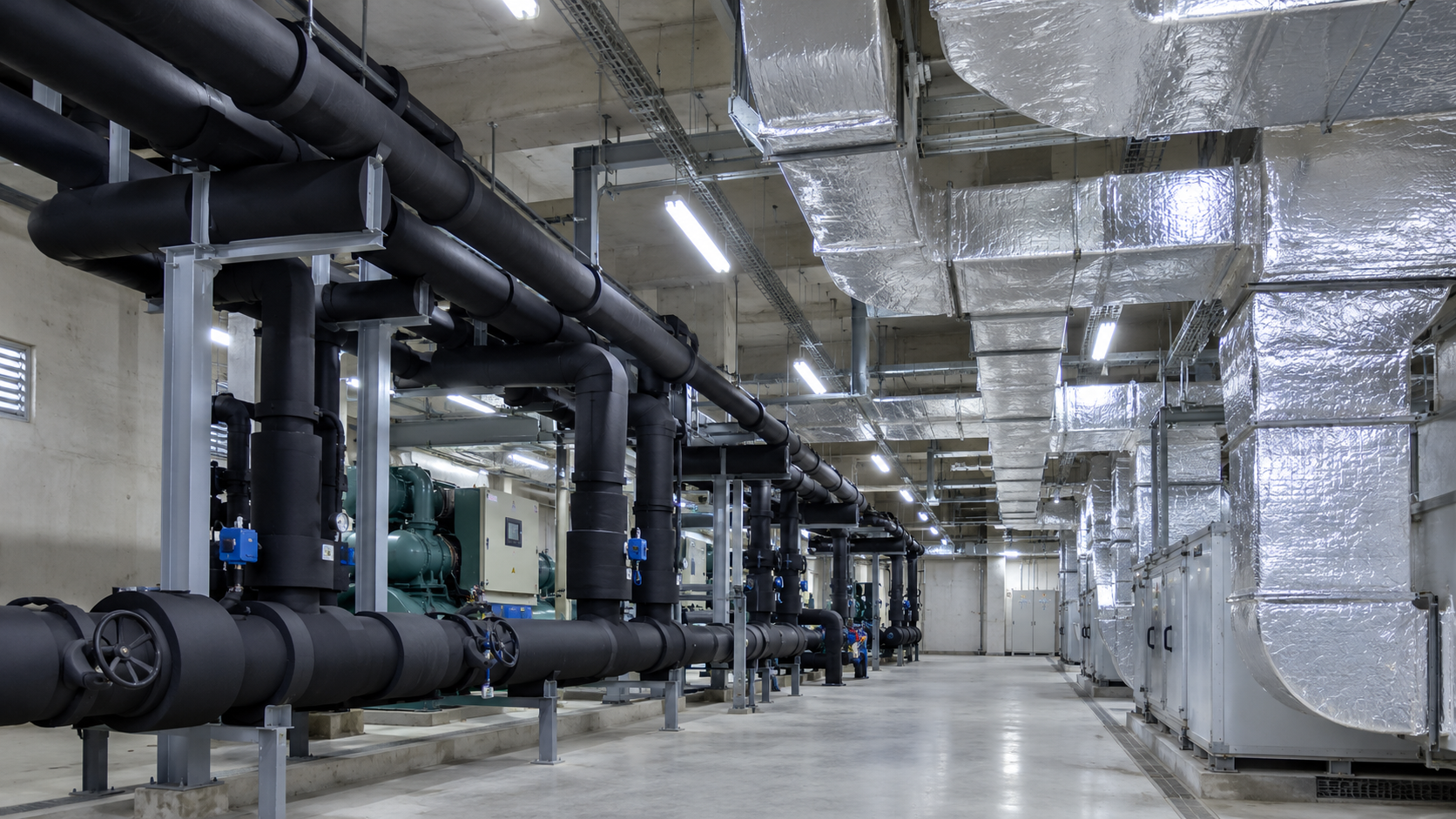
- Rockwool: The workhorse for pipework, boilers, ducts and equipment. It is non-combustible. It is available in boards, mattresses and pre-formed pipe sections for a range of temperatures. The grade is chosen to suit the service.
- Glass wool: Suitable for lower-temperature services. Its limit is lower than that of rockwool. Therefore it is not a choice for hotter surfaces.
- Calcium silicate and ceramic fiber products: Used where temperatures go beyond what mineral wool handles. Examples include furnace linings and hot flue sections. They cost more. Require specialist installation.
The right choice depends on the data sheet of the product and the manufacturers stated maximum service temperature, not on a generic label. Always ask for the temperature rating of the grade that is offered.
Density, Thickness and Layers
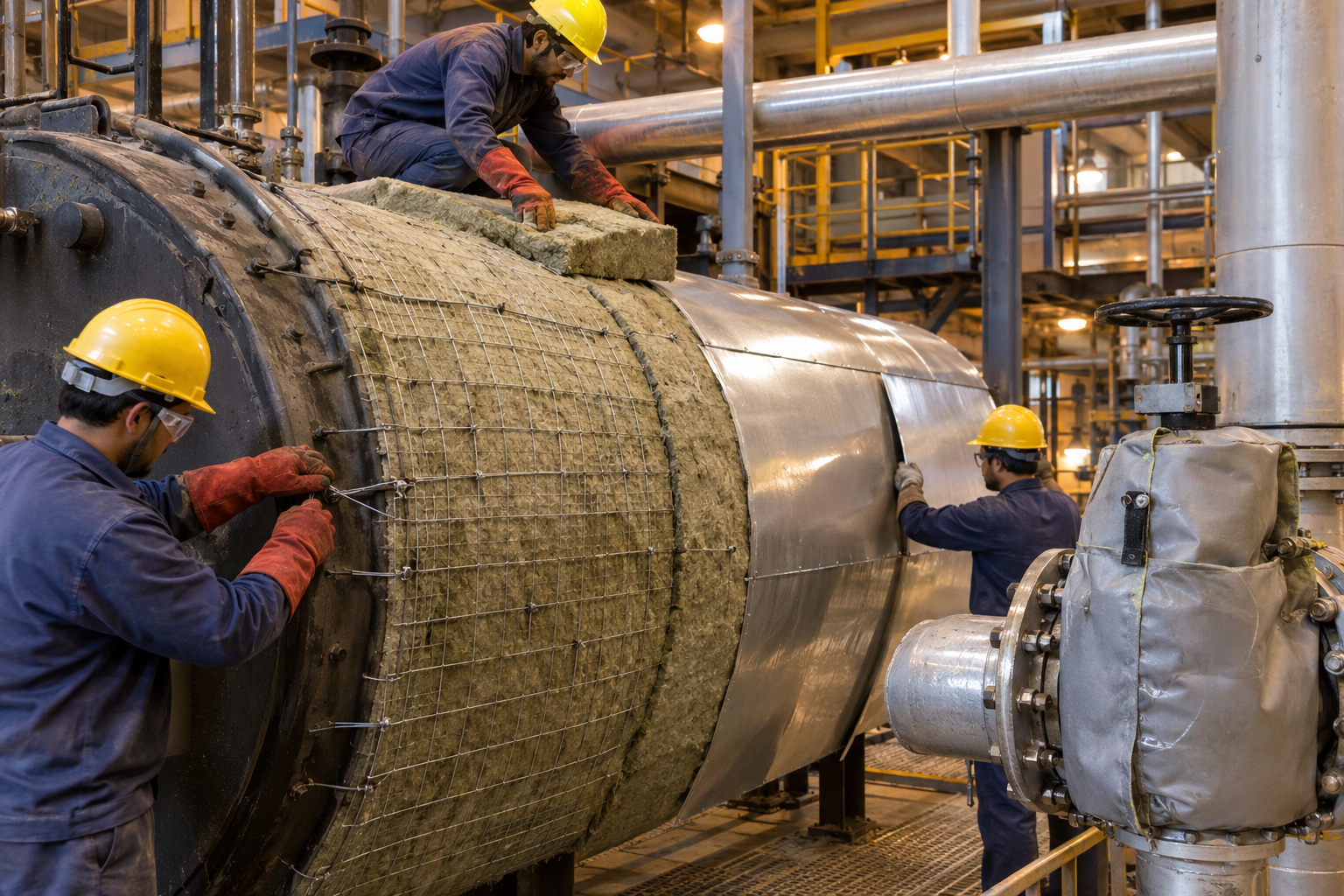
Density matters at high temperatures than most buyers realize. Low-density material may compress, sag on surfaces or break down in service. Denser boards and mattresses hold their shape and thickness. For flat surfaces such as boiler casings, ducts and tank walls, high-temperature insulation in the form of a higher-density board or wire-mesh-backed mattress is usually the better choice. For pipes pre-formed sections hold their well.
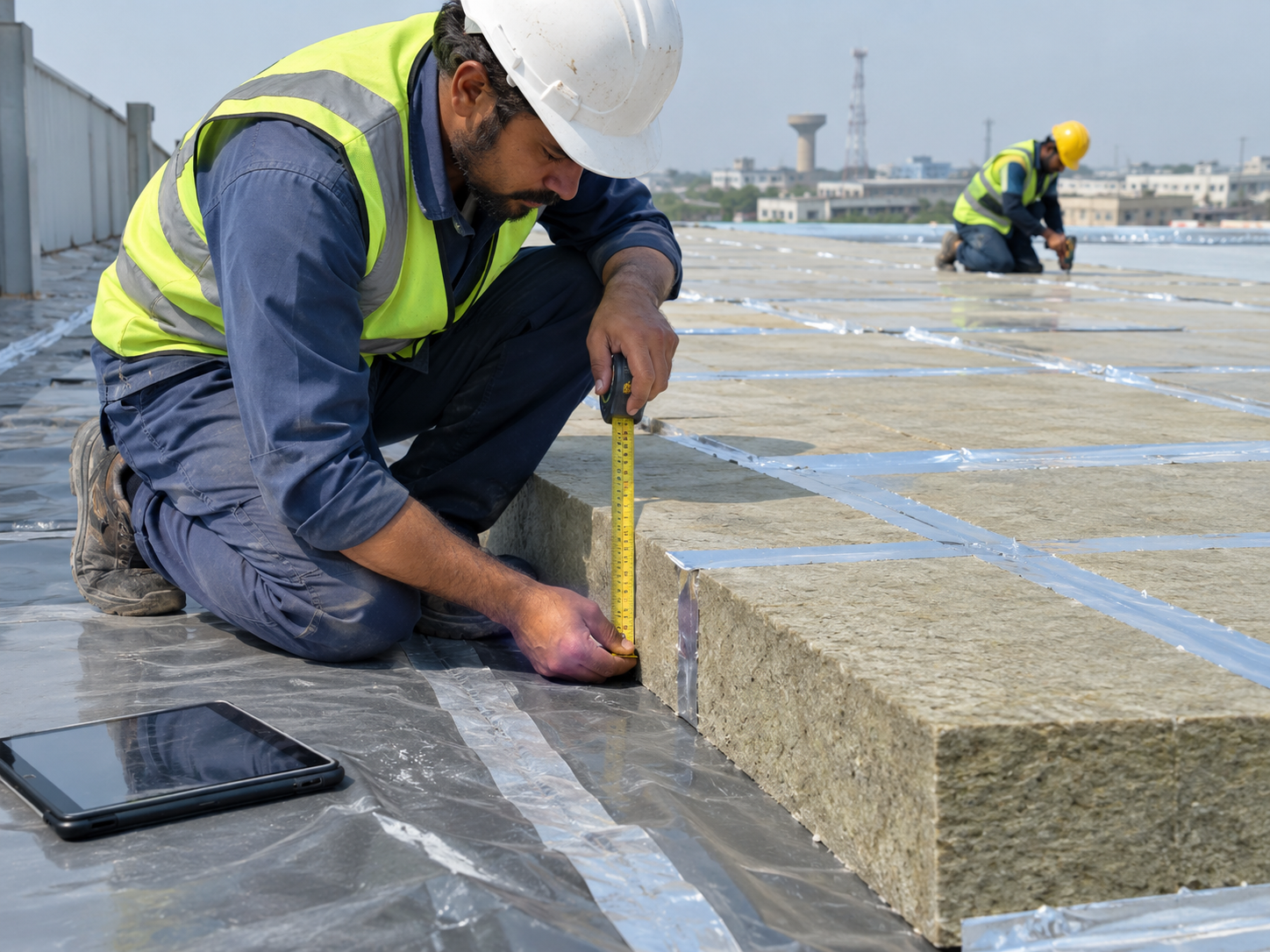
Thickness is a balance between energy savings, surface temperature and cost. Thick single layers can be impractical. Therefore for temperatures the insulation is often installed in two layers with staggered joints. This removes gaps through which heat could escape directly. It also lets the hotter inner layer and the cooler outer layer match their conditions.
Personnel Protection and Surface Temperature
Beyond energy savings there is the matter of people. Anything within reach of workers should be insulated so the outer surface is at a temperature. Plants often set a target surface temperature for this. A bare or poorly covered boiler casing, flue duct or steam line is a burn hazard. A deteriorating cladding with gaps can create spots even when the rest of the surface looks fine. Specifying a surface temperature not a thickness gives you something concrete to verify.
Cladding and Weather Protection
Insulation on high-temperature equipment always needs a metal cladding. It protects against damage, rain, washdown and in plants against oil and chemical splashes. Aluminum is common for temperatures. Galvanized or stainless steel is chosen where temperatures, fire exposure or corrosive conditions call for it. Joints should overlap in the direction that sheds water. Seams and penetrations should be sealed, because water getting under the cladding is a cause of corrosion under insulation.
There is one detail knowing for stainless steel equipment. Chlorides, in insulation can contribute to stress corrosion cracking if moisture reaches the metal. For steel specify insulation with a low leachable chloride content and keep it dry.
Expansion, Movement and Vibration
When equipment gets hot it also gets bigger. Pipes stretch, casings swell and turbines shake. If we put insulation and cladding on these parts without allowing movement the material will crack the joints will. The cladding will come loose. By putting expansion joints in the cladding using attachments and choosing support rings of the right size the insulation can move safely without breaking. For parts that vibrate fastening the insulation firmly and using the mattress products keeps the insulation from settling or leaving gaps.
Valves, Flanges, Turbines and Other Awkward Items
In any system the most awkward parts are usually the first ones we leave without insulation. Valves, flanges, expansion joints, manholes, turbine casings and heat exchanger heads all need to be kept clean so putting insulation on them is not practical. The best solution is insulation jackets or blankets that are made to fit those parts and can be taken off for maintenance and put back on again. They are more expensive than a scraps of wool but they save much more energy than they cost and they stay in place for a long time after you finish maintenance.
Common Specification Mistakes
From the plants that I have visited I see the mistakes over and over:
- Using a material whose maximum service temperature is too close to or even lower than the operating temperature.
- Specifying thickness without checking what the surface temperature will become.
- Leaving valves, flanges and fittings bare because we did not budget for jackets.
- Ignoring movement, which cracks cladding and opens joints after only a year or two.
- Sealing cladding poorly so rain or wash-down water gets inside the insulation. Hits the metal underneath.
- Using unrated materials near burners, fuel lines and surfaces that are very hot.
- Skipping maintenance, damaged areas stay damaged for many years.
Why This Matters for Pakistans Industry
Pakistan’s industries face unpredictable energy costs and many have spent money on boilers and captive power to keep production going. In that environment heat that leaks through insulation is money that is lost every hour the plant runs. A system that is specified returns its cost fast makes the plant floor safer and makes the equipment last longer. It requires a specification that is based on temperatures and real conditions that is installed carefully and that is checked from time to time.
Frequently Asked Questions
What type of insulation do we use on boilers in Pakistan?
We usually use rockwool boards, mattress materials and pre-formed pipe sections for boiler casings, steam lines and flue ducts. For the parts we use ceramic fiber or calcium silicate. The insulation grade must match the operating temperature.
Can we use glass wool on equipment that gets very hot?
Glass wool can only be used at temperatures. Its maximum service temperature is lower than that of rockwool so it is not good for surfaces that’re hotter. Always check the product’s rated temperature.
Why do we often install insulation in two layers?
When temperatures are high a single thick layer can be impractical. By installing two layers with joints we block straight paths for heat to escape and each layer can be chosen to suit its own temperature zone.
Do we need to insulate valves and flanges on lines?
Yes. Removable insulation jackets allow us to insulate valves and flanges while still keeping them accessible, for maintenance. Bare valves and flanges waste an amount of energy and can be a burn risk.
What surface temperature should we aim for on equipment?
It depends on the plant’s safety standards and the area. Any surface that workers can touch should be insulated to a safe touch temperature. We should specify a target surface temperature of just a thickness.
Contact Pakistan Insulations today for a free consultation and quote.
Phone: +92-21-34529722
Email: [email protected]
Website: www.pakinsulation.com