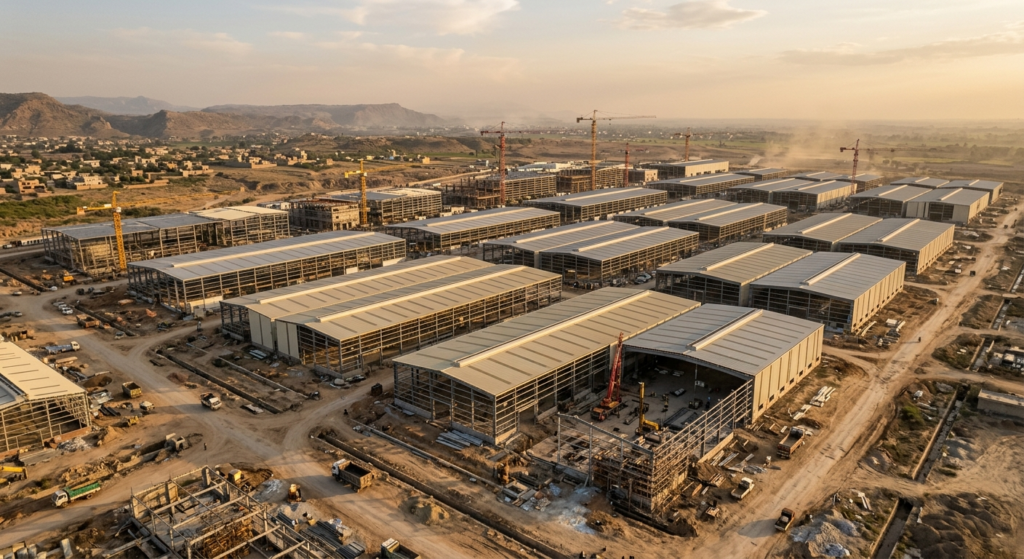
How Insulation Standards are Vital to CPEC’s Industrial Parks
TL;DR: Protection against energy inefficiency and unsafe conditions for workers and end users of new CPEC regional facilities are at risk without insulation standards, and establishing insulation requirements is a low cost, high benefit way to maximize CPEC investments.
The CPEC (China-Pakistan Economic Corridor) is creating a rapid change to the industrial landscape of Pakistan, establishing a network of Special Economic Zones (SEZ) north, south, and central in Pakistan. The job of these SEZs is to build synergetic investment in the foreign and local workforce to bolster national manufacturing.
Insulation Standards are Critical — Without Them CPEC Will Be a Waste of Investment
As the SEZs are built, one key area receiving little attention is building insulation standards.
In terms of infrastructure development, it may not be the most fun or exciting topic to discuss building insulation, however, thermal, acoustic, and fire rated insulation standards determine the way a facility will operate, how safe it is for the workers who will occupy the building, and how competitive a facility will be over the life of the building. Getting this wrong during the construction phase will result in an accumulation of costs.
What are Pakistan’s CPEC Special Economic Zones?
CPEC is China’s flagship project in Pakistan and is a significant investment and improvement to the energy, transport, and industrial infrastructure in Pakistan with an investment of over $60 billion dollars. Improving SEZs (Special Economic Zones) is a key component of this initiative. SEZs are industrial zones with clear and efficient regulatory environments, tax structures, and industrial assistance that are built to attract and retain local and foreign investment.
Well insulated industrial buildings dramatically decrease HVAC load. According to the American Society of Heating, Refrigerating and Air-Conditioning Engineers, buildings that satisfy international standards for thermal performance (like ASHRAE 90.1 and its equivalent national standards) can decrease energy consumption by 20-40% compared to buildings with poor insulation. For industrial buildings and facilities that operate with marginal profit in an export focused industry, this is a noticeable difference.
What is the Impact of Insulation on the Health and Safety of Employees?
Outside of energy savings, insulation plays an important role in the health of employees. Industrial facilities that deal with the processing of materials that are heat intensive (metals, textiles, and food products) can generate heat loads that are substantial. Without proper insulation the temperatures on the walls, pipes, and equipment can become very dangerous.
Acoustic insulation is equally as important. Manufacturing processes can generate sustained noise that can cause permanent damage to hearing and is above safe levels. Pakistan’s Factories Act has established a minimum level of safety for employees. However, due to historically poor enforcement, the developers of Special Economic Zones that insulate facilities to a higher standard, both thermal and acoustic, will protect their employees and reduce their risk of litigation.
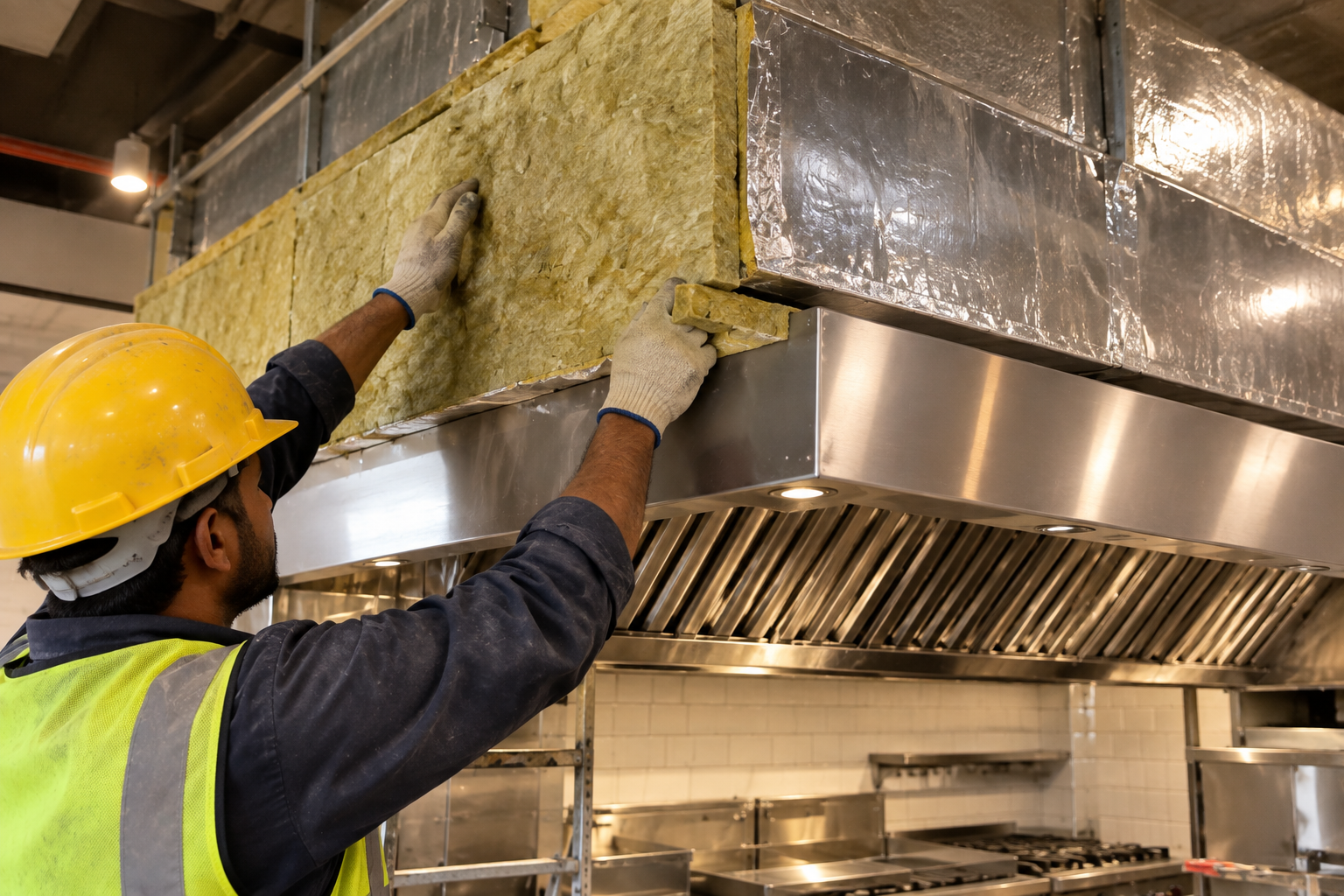
There is a third type of insulation that requires focused attention to meet the standards of fire rated insulation. Industrial parks bundle together electrical and mechanical systems as well as dangerously flammable materials. When fire rated insulation is properly specified and installed, the integrity of an insulation system can limit the spread of fire and provide time that is critical for evacuation. Internationally built facilities make this a necessity.
Are Pakistan’s Current Building Codes Adequate for CPEC Industrial Zones?
This is where the gap is most prominent. The Pakistan Building Code (PBCA 2021) has made considerable improvements including the addition of energy efficiency provisions. Earlier versions did not have these provisions. However, there is an absence of implementation across the provinces. The framework of a Special Economic Zone (SEZ) creates additional enforcement challenges.
Chinese construction companies have been developing much of the infrastructure of the CPEC projects. Many of Chinese construction practice defaults are based on China’s climate and regulatory construction practices. These may not be appropriate for Pakistan, especially in the hot-arid or hot-humid climate zones.
As part of the standard building approval framework, the SEZ Authority and respective provincial authorities, need to develop insulation standards that consider the climate, particularly for the industrial buildings. These standards, if developed, would provide a working framework for developers, especially if internationally recognized standards were referenced along with third party verifications.
What Insulation Standards Should Pakistan’s Industrial Parks Be Aiming to Achieve?
Thermal Performance
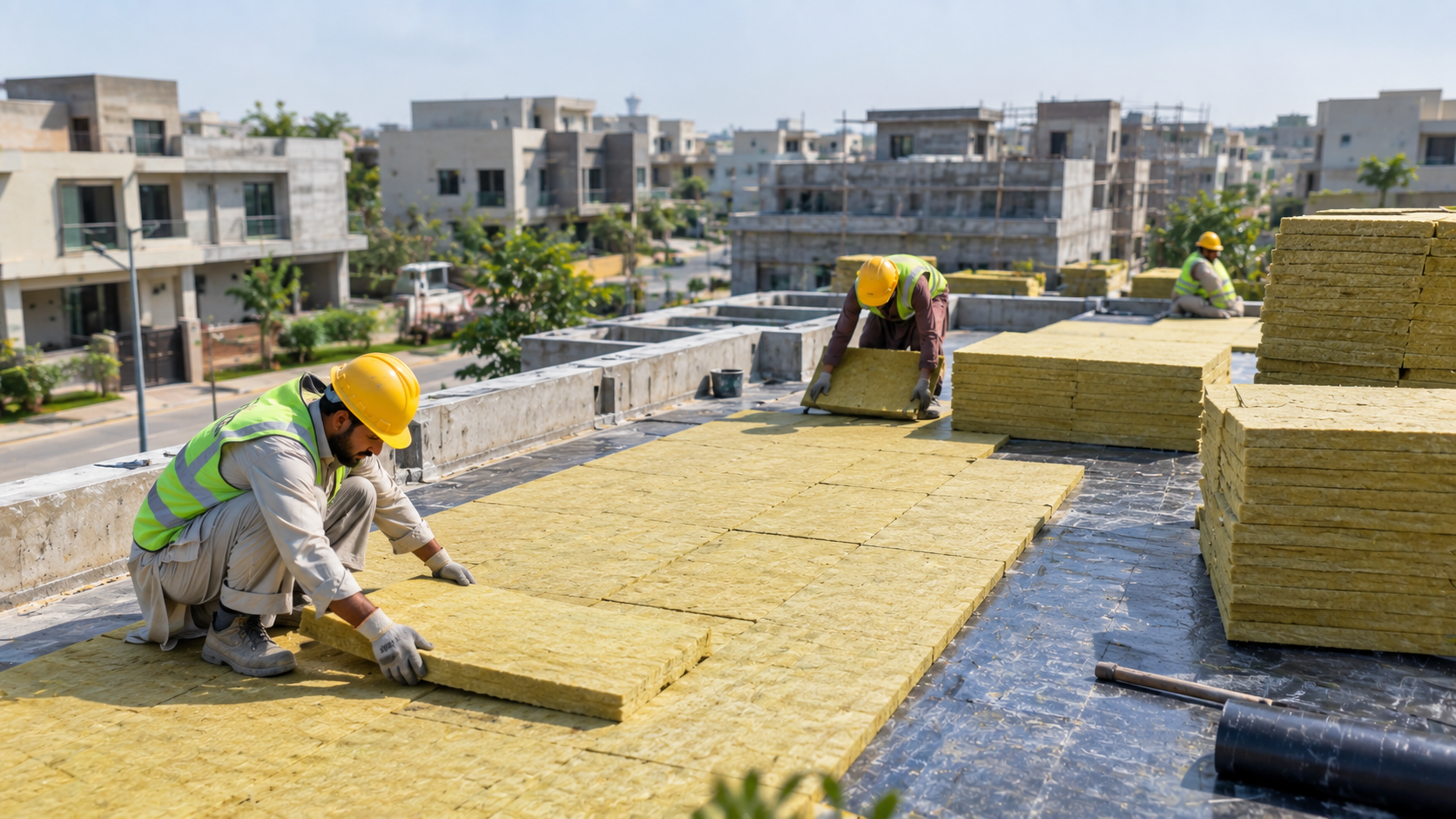
Several industrial building climate zones need to ensure adequate R-value for thermal performance. For many buildings in the Punjab and Sindh provinces, this will mean enhancing the insulation in building assemblies, especially in roof systems, due to the sun’s direct impacts.
Acoustic Specifications
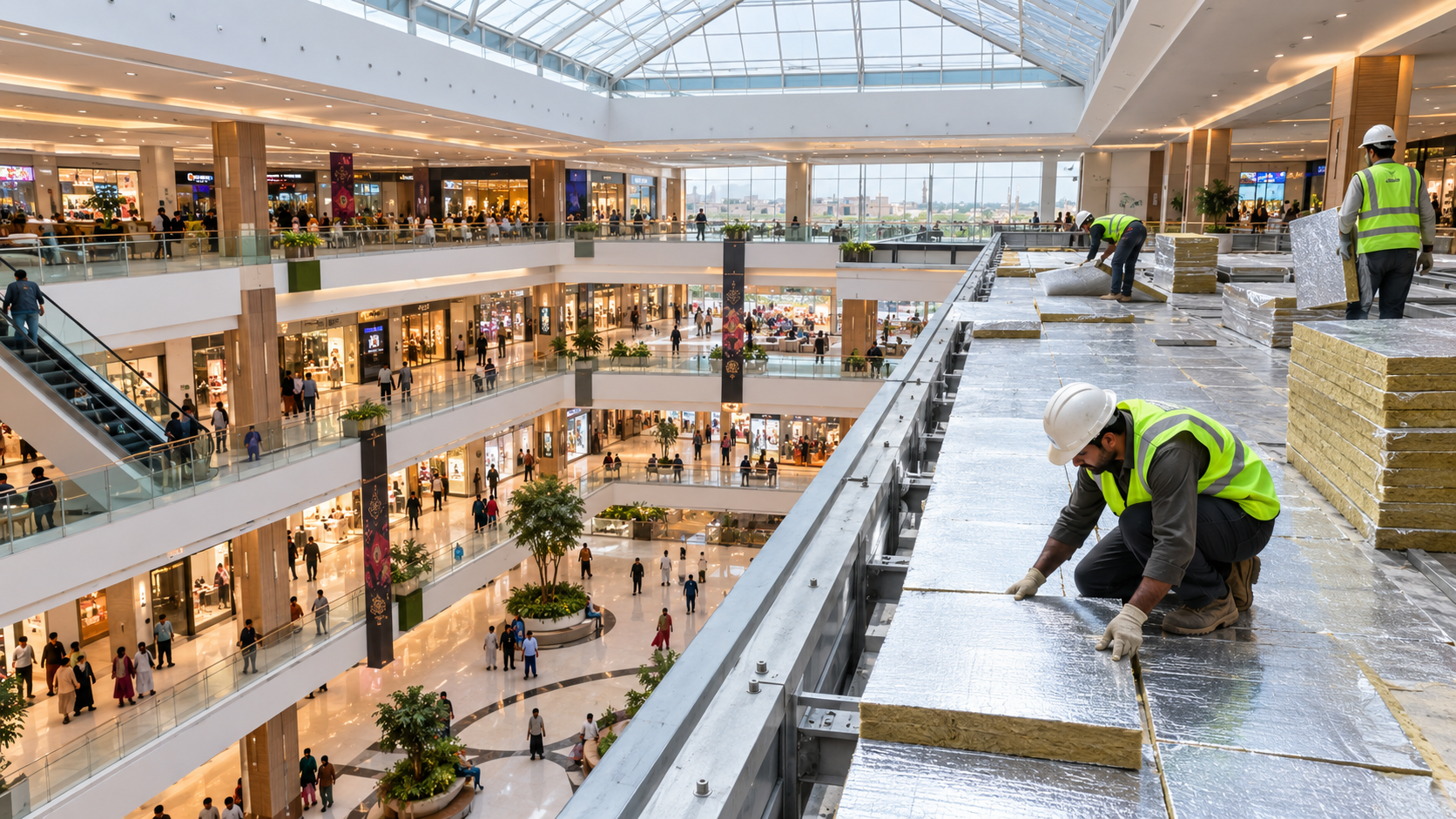
For manufacturing zones near residential areas or near zones where workers spend long hours, minimum sound transmission class (STC) ratings for walls and ceiling should be defined. Sound performance must be confirmed through actual testing, and not through estimation.
Fire Performance
Fire-rated insulation products should comply with the applicable local fire codes and be confirmed through a recognized certification body. This includes insulation on structural steel, which because of the rapid loss of strength at elevated temperatures, requires protection from passive fire defense.
The Business Case for Getting Insulation Right From the Start
Insulating an industrial building that is already in operation is costly and disruptive, and does not offer the same level of insulation performance as insulation that is designed to be built with the building. The cost difference between suitable and unsuitable insulation at the building stage is small, and is typically between 2–5% of the total cost of building the facility. The cost of poor building performance over the lifetime of the building is present in every utility cost, every safety incident, and every equipment failure due to the building not being able to maintain stable temperatures.
For Pakistan, CPEC’s SEZs are a once in a generation opportunity to develop competitive global industrial infrastructure. Allowing insulation value to be one of the most easily correctable building defects to lose this opportunity would be a huge policy mistake.
Zone authorities, investors and government regulators all have roles to play. Insulation value calculations should be a mandatory part of the building permit application. Insulation should be independently verified to be in accordance with the design before the building is occupied. Energy use should be monitored and verified to be in accordance with the original design.
A Strong Basis for Pakistan’s Industry
With proper insulation, facilities using CPEC infrastructure will reduce costs, prevent worker safety issues, and help protect the environment. They will also attract tenants who will positively compare their facilities to the international standard.
Fortunately, we have time to see that the insulation is done right. The majority of the Special Economic Zone facilities are in the early planning and construction phases. The most effective and immediate way to ensure insulation is used in these facilities is to establish clear, enforceable insulation standards.
Policymakers, zone developers, and construction professionals will derive enormous benefits from the insulation standards if insulation is prioritized during planning, designing, and constructing these facilities.
Frequently Asked Questions
What is CPEC and what are the components of Pakistan’s Special Economic Zones?
CPEC is the name of a multibillion-dollar investment and infrastructure project being jointly developed by China and Pakistan. Special Economic Zones are government-planned and controlled industrial parks that use government incentives to attract businesses.
Why is thermal insulation an important consideration in Pakistan’s Special Economic Zones?
A large portion of the industrial areas of Pakistan are in climate zones that experience summer temperatures of over 40°C. In the absence of adequate insulation, factory cooling systems will consume a considerable amount of electrical energy, which will negatively impact the cost and competitiveness of industrial operations in Pakistan.
What insulation standards should CPEC industrial facilities adopt?
As a starting point, CPEC facilities could look to ASHRAE 90.1 for thermal performance and associated fire-rating standards. While they will provide valuable insight, consideration must be given to Pakistan’s various climate zones. The SEZ building approval process, backed by third-party assessment, should integrate these standards.
Is fire-rated insulation necessary in Pakistani industrial buildings?
While fire safety becomes a part of Pakistan’s building code, the regulations may not be applicable in the context of SEZs. Fire-rated insulation for structural steel and for other high-risk manufacturing spaces should be considered a bare minimum.
Who will enforce the insulation standards in CPEC SEZs?
Enforcement will require a joint effort of the Special Economic Zones Authority (SEZA), provincial government(s), and the zone developer(s). To be effective, insulation standards must be clearly articulated in the building approval process and independent commissioning must be incorporated.
Contact Pakistan Insulations today for a free consultation and quote.
Phone: +92-21-34529722
Email: [email protected]
Website: www.pakinsulation.com