Energy Audits for Pakistani Factories: Everything You Need to Know
Short answer: An energy audit examines energy usage across an entire facility. For factories in Pakistan, energy audits find areas for demand reduction, help save on utility bills, and aid in the fulfilment of national energy regulations. The average industrial facility can reduce energy consumption by 10–30% by fully implementing energy audit findings.
Approximately 25% of Pakistan’s energy is consumed by the industrial sector — and a large portion of that is wasted. Poor factory insulation, outdated machinery, inefficient lighting, and poorly controlled compressed air systems waste valuable resources and negatively impact financial performance. For owners facing increased fuel costs, constant power outages, and growing government regulations, these inefficiencies translate directly into lost competitiveness.
Energy audits address wasted resources by examining facility energy consumption in a structured way. They help factory owners understand how to reduce expenses, improve equipment operations, and comply with National Energy Efficiency and Conservation Authority (NEECA) regulations. This guide explains the energy audit process, the business case for audits in Pakistani factories, and how to get started.
What Is an Industrial Energy Audit?
An energy audit is an intensive study of energy consumption and usage patterns in a facility. Energy auditors — typically certified engineers or energy consultants — conduct a detailed study of utility consumption, machinery, and equipment, survey energy flows, and identify areas for savings and process improvements.
The American Society of Heating, Refrigerating and Air-Conditioning Engineers (ASHRAE) has identified three standard audit levels:
- Level 1 — Walkthrough Assessment: A brief review of utility bills combined with a short site visit to identify apparent inefficiencies. Ideal for facilities new to energy management.
- Level 2 — Energy Survey and Analysis: A detailed site visit with a survey of energy flows across each system.
- Level 3 — Detailed / Investment-Grade Audit: A highly granular audit using monitoring, sub-metering, and measurement to engineering standards. Appropriate for large capital expenditure justification.
For the majority of factories in Pakistan, a Level 2 audit offers the best balance of cost and thoroughness.
Why Are Energy Audits Critical for Pakistani Factories?
The Impact of Energy Costs on Industrial Competitiveness
Pakistan’s industrial electricity tariffs have risen sharply — from PKR 16–18 per kWh in 2020 to over PKR 35–40 per kWh by 2024, according to NEPRA reports. This directly compresses margins for energy-intensive sectors such as textiles, cement, and steel.
For factories that have not assessed their energy usage, it is very likely they are incurring costs for inefficiencies that a formal audit would identify in a matter of days.
Pakistan’s Industrial Energy Efficiency Regulations
Under the National Energy Efficiency and Conservation Act (2016), NEECA has the authority to make energy audits mandatory for large energy consumers. Industries consuming above a defined threshold are classified as “designated consumers” and are legally required to conduct energy audits and submit energy conservation reports on a regular basis.
Non-compliance carries the risk of penalties. Factories that align with NEECA standards proactively will also be better positioned with international buyers — particularly in the EU and UK — who are increasingly examining supplier energy performance as part of procurement decisions.
Where Is Energy Wasted in Pakistan’s Factories?
When auditors work in Pakistan’s industrial sector, they consistently identify the same energy wastage issues:
- Compressed air leaks: In poorly maintained air compressor systems, 20 to 30% of generated air is lost to leaks — resources used to produce air that is never put to work.
- Old motors: Many factories run older induction motors without Variable Frequency Drives (VFDs), operating at full speed regardless of actual demand.
- Low power factor: A poor power factor increases apparent power demand and results in higher tariffs. Capacitor banks correct this at relatively low cost.
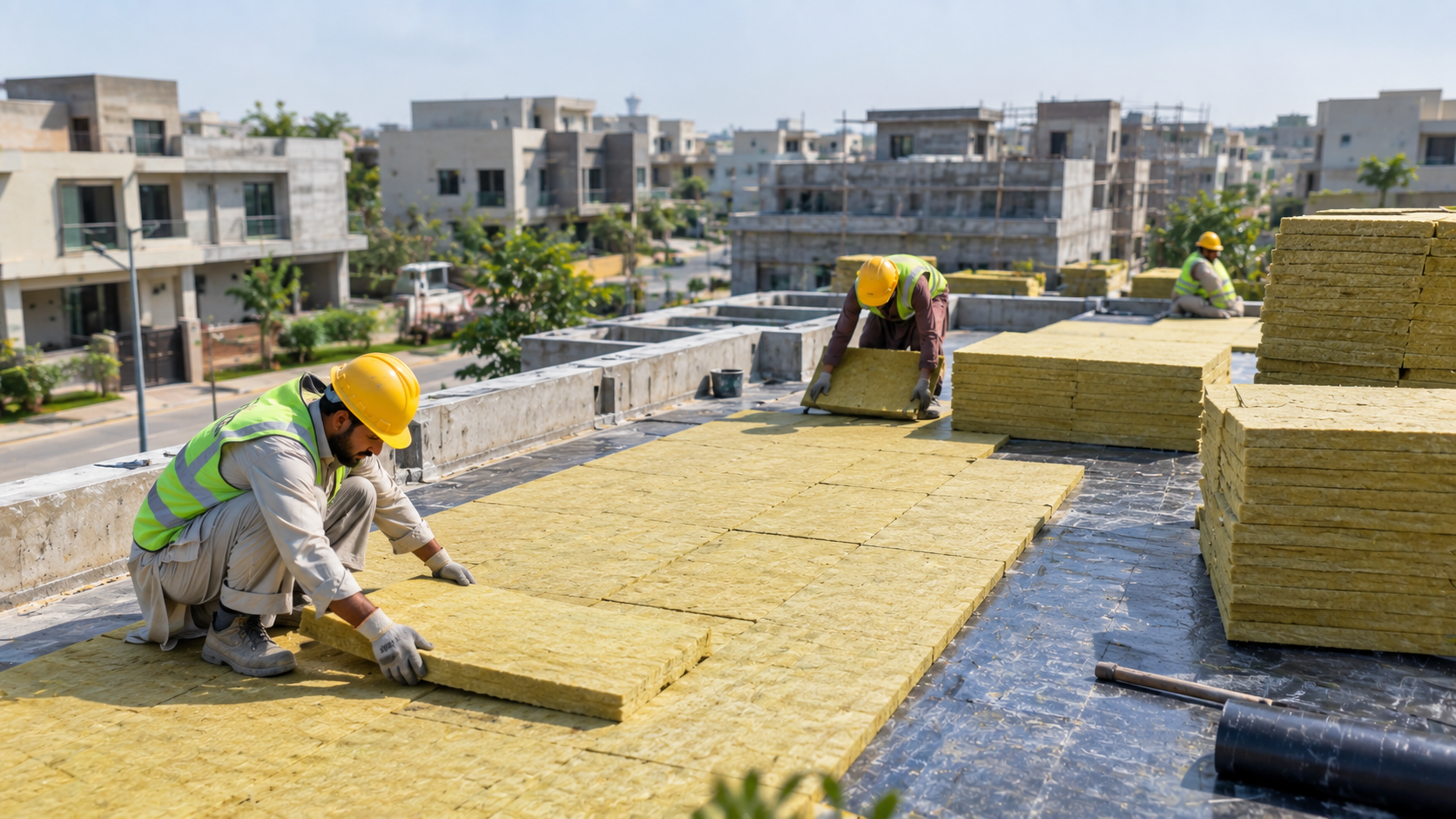
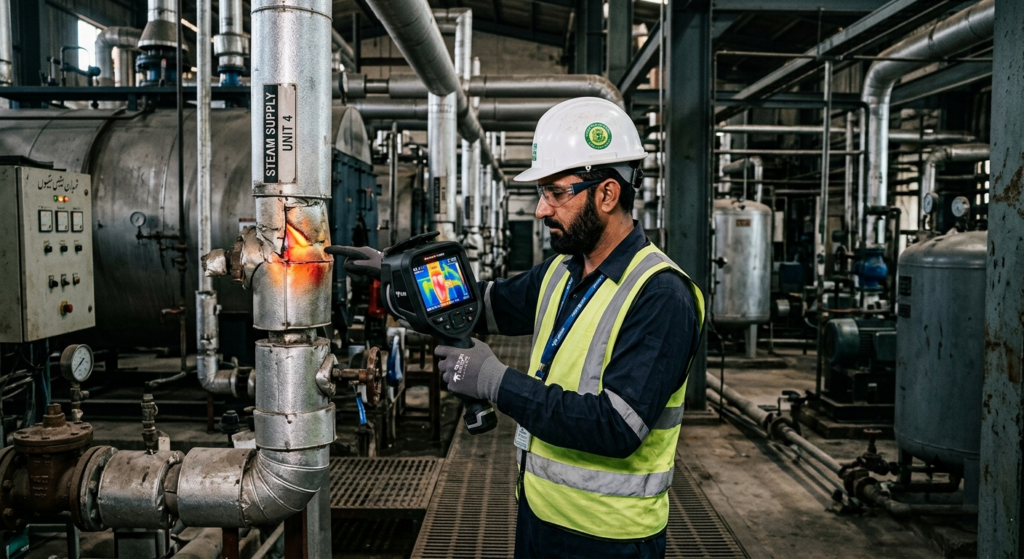
- Poor insulation: In steam-using industries such as food processing and textiles, uninsulated or under-insulated steam lines are a significant source of heat loss.
- Lighting: Replacing fluorescent and high-pressure sodium lights with LEDs typically reduces lighting energy consumption by 50 to 70%.
- Idle equipment: Machines left running during breaks, shift changes, and downtime consume energy without producing output.
How Is an Energy Audit Conducted?
Step 1: Pre-Audit Data Collection
Data collection begins before the auditor arrives on-site. Utility bills and maintenance records for the past 12 to 24 months are collected, along with a preliminary equipment inventory and production management documents. This focuses the audit on the highest-impact areas.
Step 2: Site Walkthrough and Measurement
Auditors conduct on-site walkthroughs of the major energy-consuming systems, using power quality meters, thermal imagers, ultrasonic leak detectors, and illuminance meters to capture actual operating performance.
Step 3: Data Analysis
Energy balance analysis is performed to identify and quantify losses. Each loss is assessed against the cost of addressing it.
Step 4: Recommendations and Reporting
Recommended measures are documented with required investment levels and categorised as no/low cost, medium cost, and high cost interventions.
Step 5: Implementation and Follow-Up
The value of an audit is only realised when recommendations are implemented. Some energy consultancies provide implementation support, and NEECA programmes offer assistance to designated consumers.
Potential Savings from Energy Audits for Pakistani Factories
According to the United Nations Industrial Development Organization (UNIDO), many industrial energy audits capture average savings of 10 to 20% of total energy costs, with some industries achieving savings above 30% after full implementation.
For a mid-sized Pakistani textile mill spending PKR 5 million per month on electricity, a 15% saving means PKR 9 million annually — likely many times the cost of the audit itself. Beyond the direct savings, factories reduce equipment wear, improve production reliability, and gain better access to export markets that require demonstrated energy efficiency from their suppliers.
Choosing an Energy Auditor in Pakistan
NEECA maintains an official list of accredited energy auditors, and designated consumers are encouraged to use an accredited auditor because reports submitted to NEECA must adhere to strict guidelines.
When evaluating auditors, consider:
- Accreditation: Confirm NEECA accreditation and any additional professional qualifications.
- Sector experience: Auditors familiar with your industry — textiles, pharmaceuticals, food processing — will identify sector-specific inefficiencies faster.
- Quality of reporting: Ask for a sample report. Good audits include specific actionable steps and financial analysis, not just general observations.
- Implementation support: Some firms offer services from auditing through to project managing the recommended upgrades.
Managing Factory Energy Costs
For Pakistani companies with energy costs squeezing already-tight margins, energy audits are one of the most straightforward ways to control costs, achieve regulatory compliance, and strengthen operations.
The first step is simple: collect your last 12 utility bills and contact a NEECA-approved auditor for a scoping discussion. The data already exists in your records. An auditor will make it visible — and actionable.
Frequently Asked Questions
What Is a Factory Energy Audit?
An energy audit systematically analyses a factory’s energy consumption. By inspecting and measuring energy flows, auditors identify where energy and money are being lost and provide recommendations to address them.
Are Energy Audits Required for Factories in Pakistan?
The National Energy Efficiency and Conservation Act (2016) requires large industries classified as designated consumers by NEECA to conduct periodic energy audits and file conservation reports. Smaller industries are not currently obligated but would benefit significantly from voluntary audits.
What Is the Cost of an Industrial Energy Audit in Pakistan?
A Level 2 audit for a mid-sized factory typically costs between PKR 200,000 and PKR 600,000. Most facilities implementing the recommendations recover this cost quickly through energy savings.
How Long Does a Factory Energy Audit Take?
A Level 2 audit typically takes 2 to 5 days on-site. Analysis and report preparation take an additional 1 to 3 weeks. More complex facilities require longer timeframes.
What Systems Does an Energy Audit Cover?
A detailed industrial energy audit typically covers electrical distribution and power factor, motors and drives, compressed air systems, lighting, HVAC systems, steam and heat generation, and process equipment. The scope is based on the major energy consumers in the specific facility.
How Do I Find an Accredited Energy Auditor in Pakistan?
NEECA maintains an official list of accredited energy auditors. Contact NEECA directly or visit their official website to identify auditors approved for industrial audits.
📞 +92-21-34529722
✉ [email protected]
🌐 www.pakinsulation.com