Insulation for Poultry and Livestock Farms in Pakistan
Short answer: Insulation allows poultry and livestock farms in Pakistan to stabilize temperatures. Insulation mitigates heat stress during summer and cold stress during winter. Examples of insulation include polyurethane (PU) foam, expanded polystyrene (EPS) panels, and roof insulation. Insulation also benefits egg, meat, and dairy production by reducing the costs associated with energy usage and improving overall health and productivity of the animals.
Pakistan’s climate poses a severe threat to farm animals. Summer temperatures in Punjab and Sindh often exceed 45°C. North Pakistan has freezing winters. For both livestock and poultry, these extremes have a negative impact on growth rates, milk production, egg production, and increased mortality.
Insulation is one of the most economical methods to safeguard animals from these temperature extremes. An insulated shed retains warmth on cold nights and keeps heat out during the day’s heat. This benefits the animals as they expend less energy to regulate their body temperatures.
Why Insulation Is Essential for Pakistani Farms
As temperatures move beyond the thermal comfort zone, both poultry and livestock eat less and become lethargic. Animals are forced to expend more energy to regulate their body temperatures rather than grow, produce, or maintain their health.
Dairy cattle: Heat stress adversely affects milk production and fertility.
Feed efficiency: Animals waste feed as a result of stress. For most farm types, feed is the largest cost of operation. Loss of temperature control adversely affects profits.
Insulation controls these problems. By reducing heat transfer through the roof and walls, temperature becomes more stable and animals remain within the comfort zone.
For Farms in Pakistan, What Is the Best Insulation?
Cost, structure, and climate dictate best insulation methods. Here are the best methods for Pakistani farms.
Polyurethane (PU) Foam
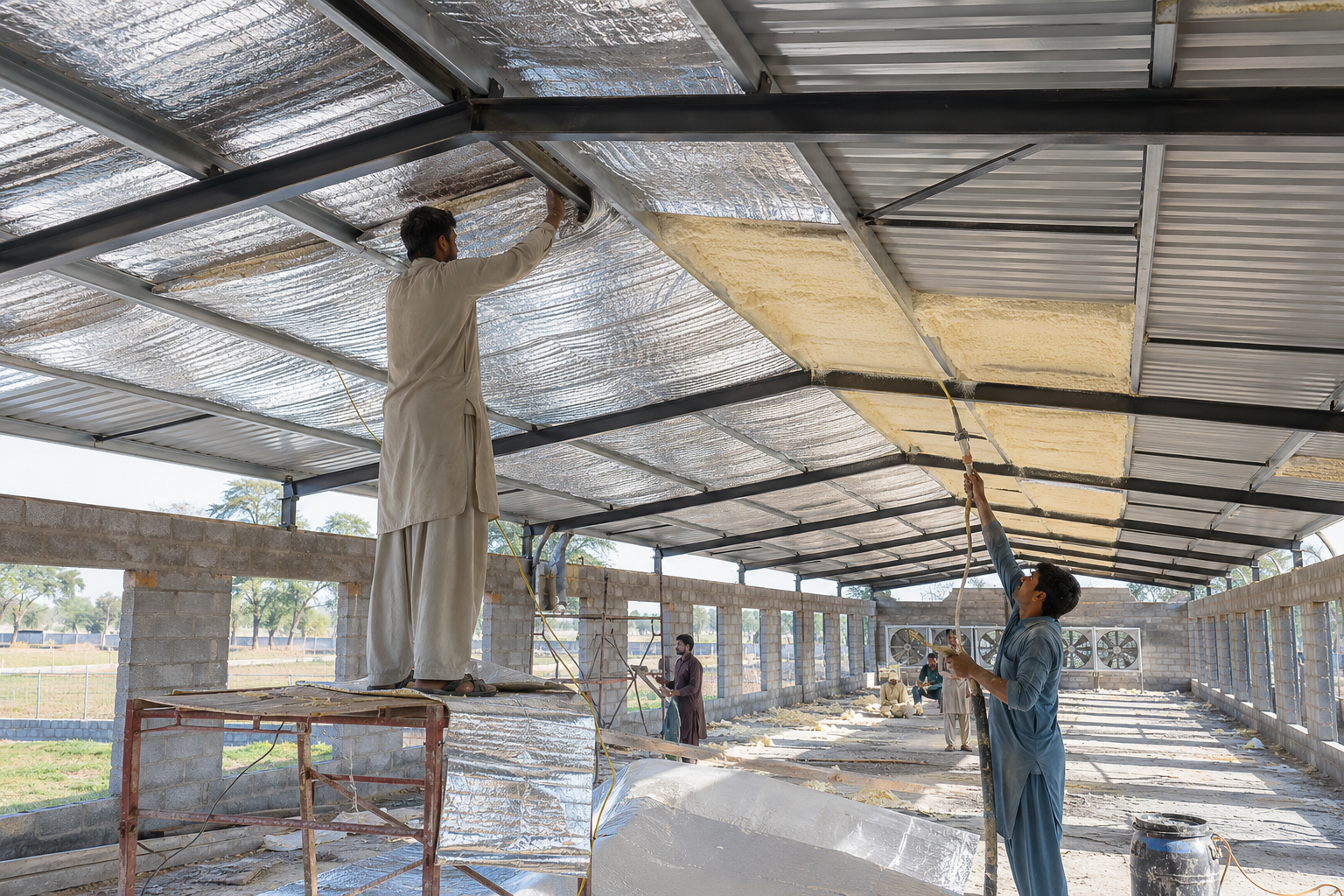
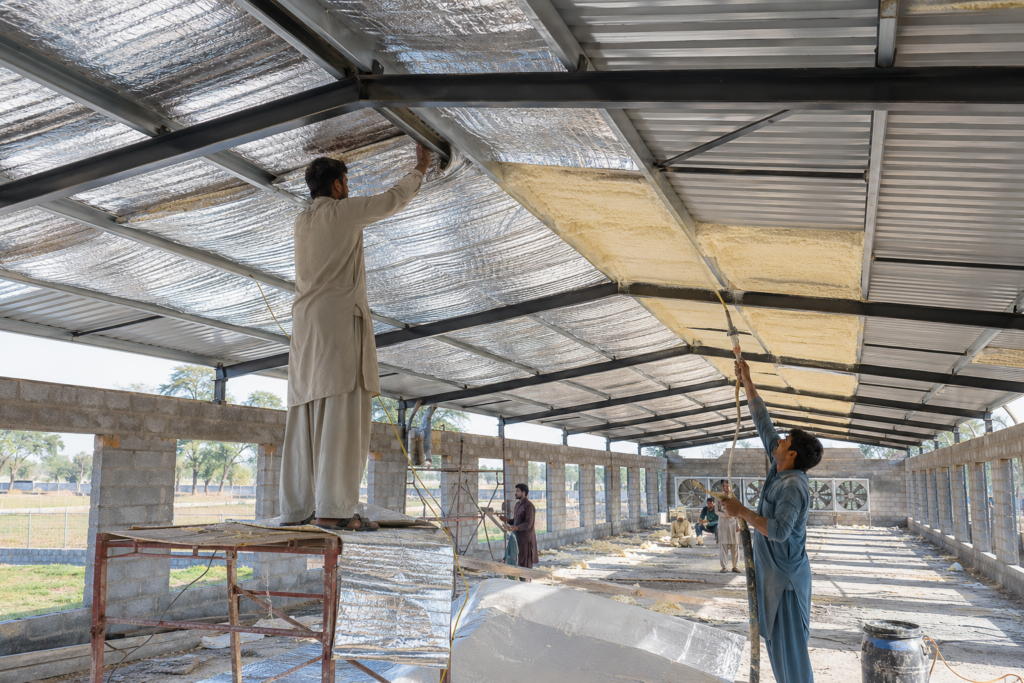
PU foam is one of the best available insulators. It seals gaps, sticks to almost any surface, and offers high insulation value in a thin layer. For this reason, PU foam is excellent for roofs where a great deal of heat is lost in the summer.
PU foam is a good agricultural sheds insulation choice if high thermal performance is desired.
Expanded Polystyrene (EPS) Panels
EPS panels are lightweight, cheap, and easy to install. They are used in ceiling and wall sandwich panels. Despite their low insulation value when compared to PU foam, they have excellent performance for the price.
EPS is an excellent choice for cost-conscious customers using sandwich panels for both wall and ceiling panel construction.
Rockwool and Glass Wool
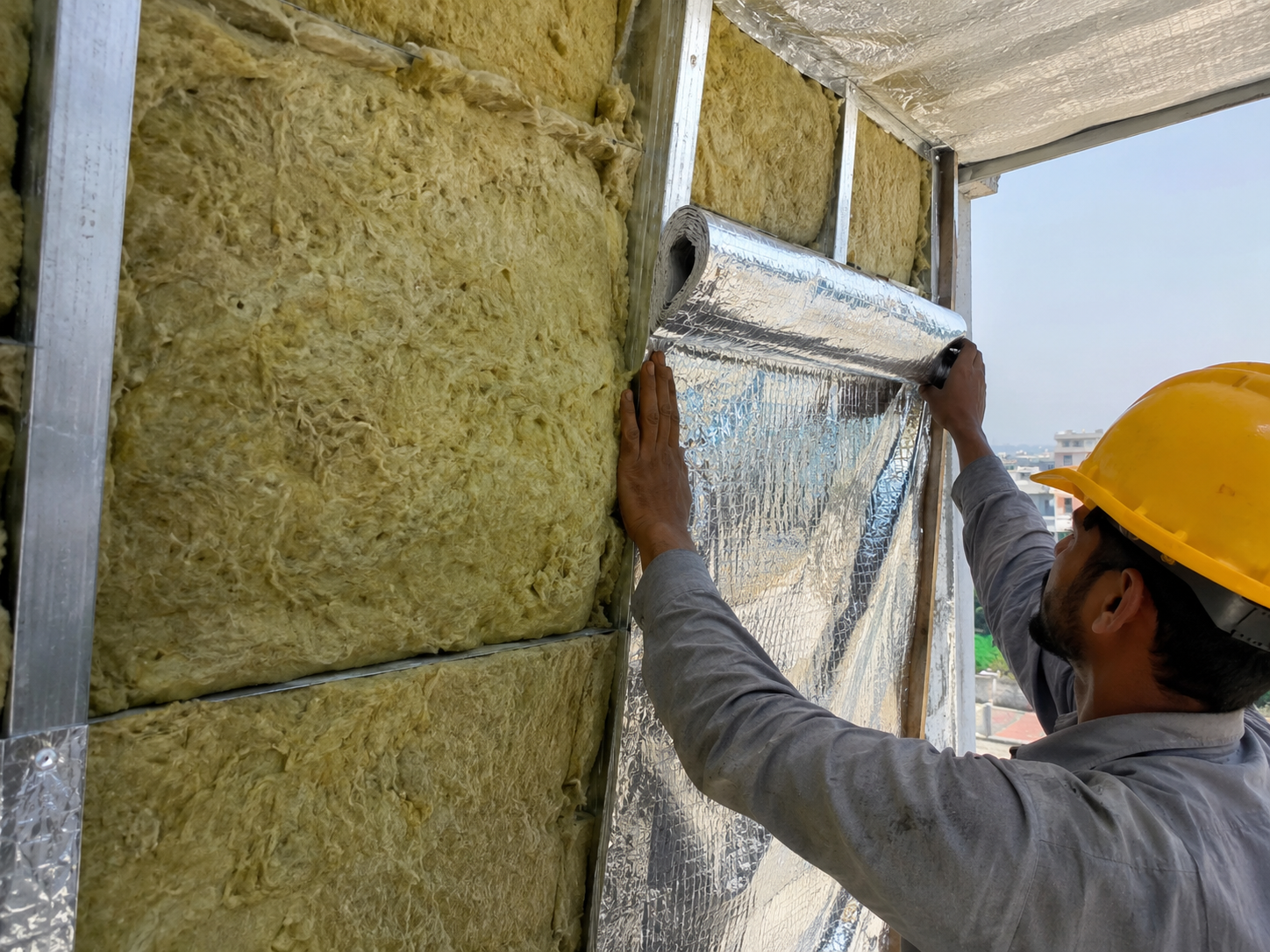
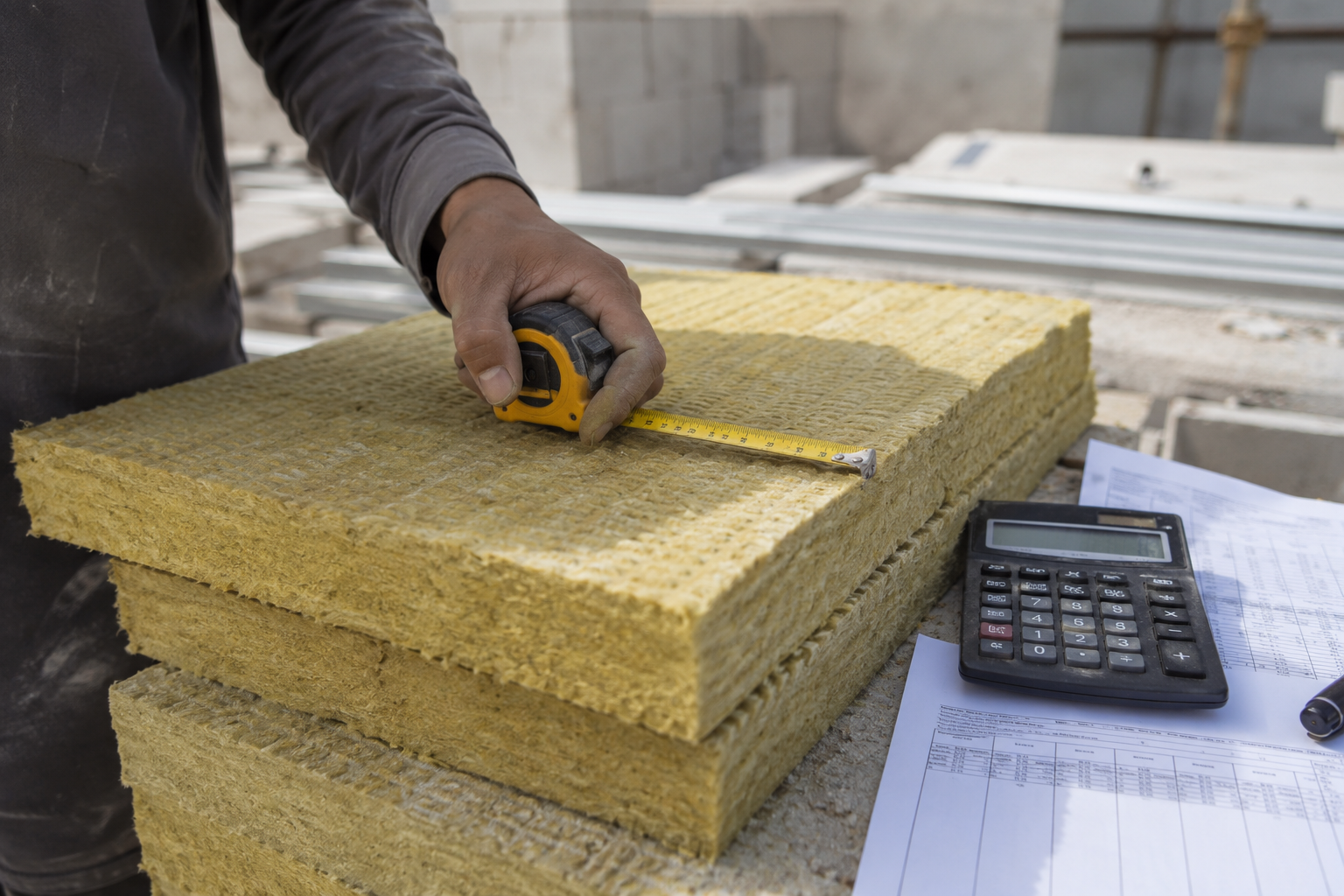
Mineral-based materials that are resistant to fire and are also effective sound dampeners. They are highly appropriate to use in farms that require a high fire safety standard. However, they are not the ideal solution for high moisture/humidity areas, since they can lose their effectiveness when they absorb moisture. They will require proper sealing in coastal Sindh.
Reflective Foil Insulation
This insulation is designed to reflect radiant heat, unlike most insulations that will absorb heat. Installed under metal roofing, they can significantly help during the daytime heat build up in a shed. They are usually sold in conjunction with wool or foam for a better insulation package.
How Does Roof Insulation Help in Pakistan’s Hot Climate?
Roofs are the first and most prominent areas to be hit by direct sun exposure. An uninsulated metal roof will turn a shed into a literal oven in no time in Lahore or Multan.
Insulating the roof is usually the single highest impact improvement a farmer can do to their farm. It keeps the radiant heat from coming into the building and significantly drops the required temperature to offset fans, foggers, and cooling pads to cool the farm from the heat of installation during the peak hot and high electricity usage season.
For poultry houses, the best cost and comfort solution for an insulated farm is combining roof insulation with reflective foil and good ventilation.
How Much Does Farm Insulation Cost, Is It Worth It?
The cost for insulating a farm varies largely with all of the common factors such as the material chosen, the size of the farm, and how the insulation is installed. Fully insulated PU foam systems are more expensive than reflective insulation foil and EPS panels. The final price can change due to local availability of the supplies and the cost of labor.
Most farmers who decide to insulate enjoy a positive return on investment. Benefits of insulation include:
- Lowered energy costs
- Decreased deaths caused by extreme heat or cold
- Improved feed conversion and enhanced production
- Longer building lifespan due to protected roofing
Most commercial insulating operations see return on investment within two years. At that point, savings become profits.
How to Decide Which Insulation Is Best for Your Farm
There are some initial questions to ask yourself:
What is your biggest concern: hot, cold, or both? In central and southern Pakistan, hot temperatures are the main concern, but in the north, cold temperatures are a concern as well.
What is your budget? PU foam is the top performer, but EPS and foil will stretch your insulating budget.
Sandwich panels are best installed for new construction, while spray foams are easy for sheds.
Humid area? Consider highly moisture resistant insulating materials.
Reach out to a local insulation supplier or agricultural engineer if you have questions on how to best address the design and combination of your specific temperature and humidity with your shed insulation.
Your Investment in Animal Comfort Results in Better Farm Profits
Insulation is more than a construction detail. Insulation provides animal welfare and farm financial benefits. With the threat of high temperatures, a good investment in shed insulation protects your animals, saves energy costs, and maintains productivity.
Insulation should be a part of the design of your new or remodeled farm. Ask your supplier for advice and think about climate and budget when considering the different materials available. Go for the longest lasting option.
Commonly Asked Questions
What is the most appropriate insulation for poultry sheds in Pakistan?
Polyurethane (PU) foam is considered the most effective for poultry sheds because of its greater insulation value. For budget constrained situations, EPS panels, backed by reflective roof foil, provide a lower cost alternative.
Does insulation save money on farm electricity?
Insulation can save money on electricity due to the cooling effect on fans and heaters. This is especially relevant in Pakistan because of the high electricity costs and the current situation of load shedding.
Does insulation help egg and milk production?
Yes, this is indirectly true. Insulation helps reduce the stress of animals and has the added benefit of the thermal comfort zone being better for egg production and milk yield.
Is roof insulation more important than wall insulation?
For the climate of Pakistan, roof insulation is more important since the heat comes down through the roof. Wall insulation is also important with the cold climates of the north.
How long does farm insulation last?
With quality insulation materials like PU foam and EPS, one can expect many years of service as long as the insulation materials are not exposed to moisture (this includes proper installation) and as long as inspections to check for damages and water damages are routinely conducted.
Contact Pakistan Insulations today for a free consultation and quote.
Phone: +92-21-34529722
Email: [email protected]
Website: www.pakinsulation.com