How Much Does Insulation Cost in Pakistan? A Buyer’s Guide to Pricing Per Square Foot
Almost every conversation with a customer that I have begins with a variation of this question: how much is it per square foot? Unfortunately, it’s not a question with a clean or simple answer, as there are a number of variables that affect the final price of insulation in Pakistan. This guide will explain the factors that contribute to the price per square foot to help you understand the numbers you are likely to see.
Why There’s No Standard Per Square Foot Rate
The short answer is that it depends. A simple calculation of cost per square foot doesn’t account for the type of insulation, the thickness, the density, and the application. A quote for rockwool board on a commercial roof and a quote for polyurethane foam insulation for a cold storage room will both be expressed in a price per square foot, but the two should not be compared to each other. Buyers need to understand the ranges for the type of insulation they are looking to purchase and the factors that contribute to the price within that range.
Below, you will find the general price ranges for the different types of insulation in Pakistan, along with the factors that influence the cost within each range.
Rockwool Pricing in Pakistan
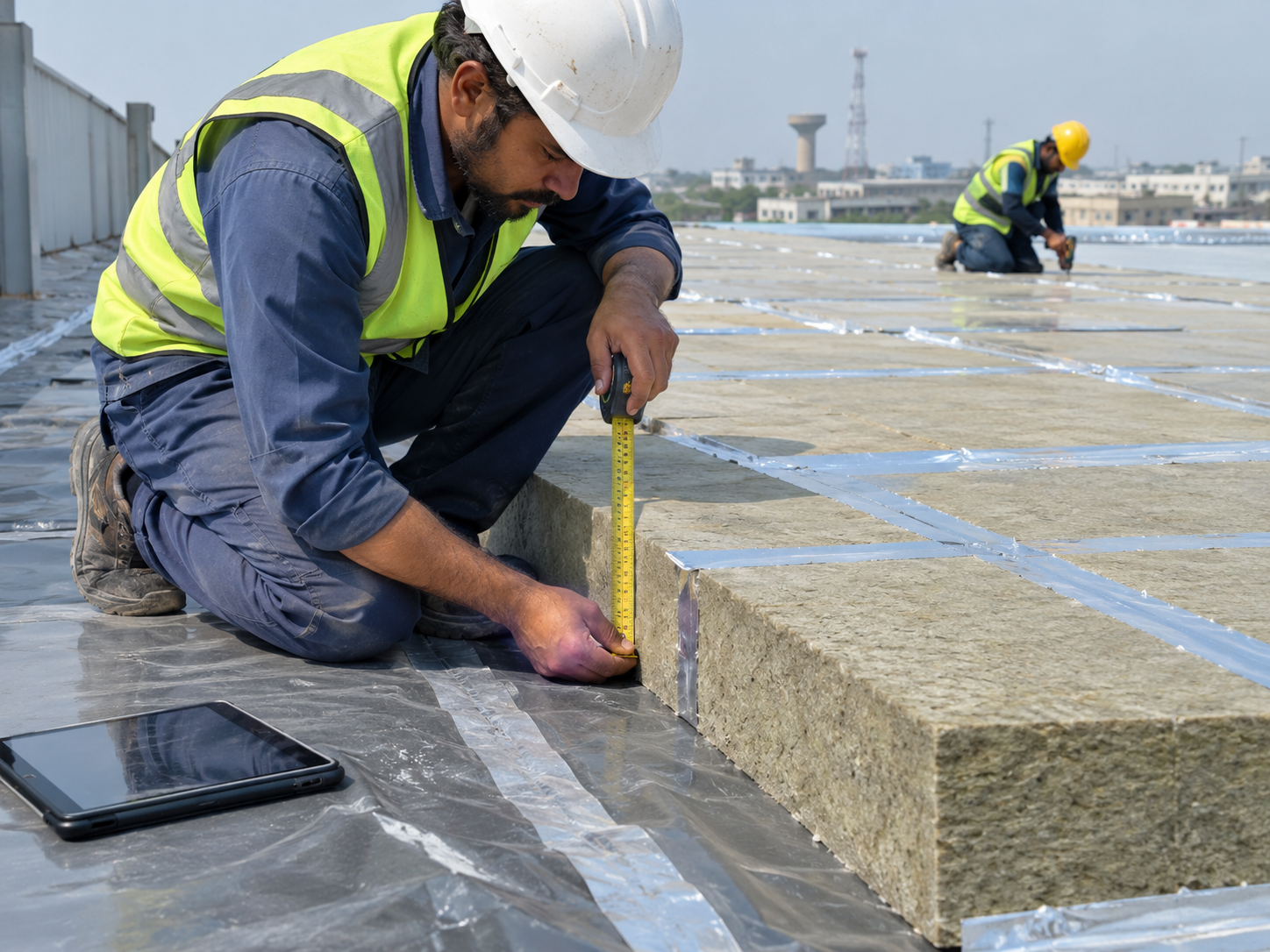
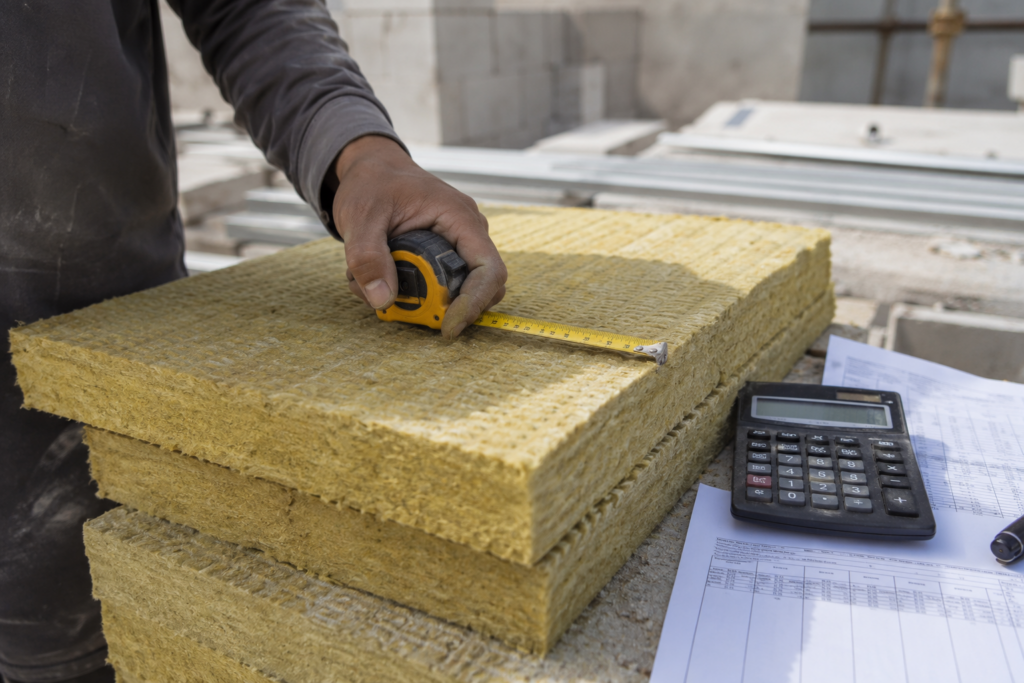
Rockwool is typically quoted per square meter, as the price depends on the thickness and density of the board. As a general rule of thumb, insulation boards for roof and wall applications typically range from PKR 300 to PKR 600 per square meter, depending on the thickness and density. Boards that are heavier and denser will be on the higher end of the price range and are typically used for structural or fire-rated applications. On the lower end of the spectrum are standard thermal insulation boards, which are commonly used for commercial warehouse roofs.
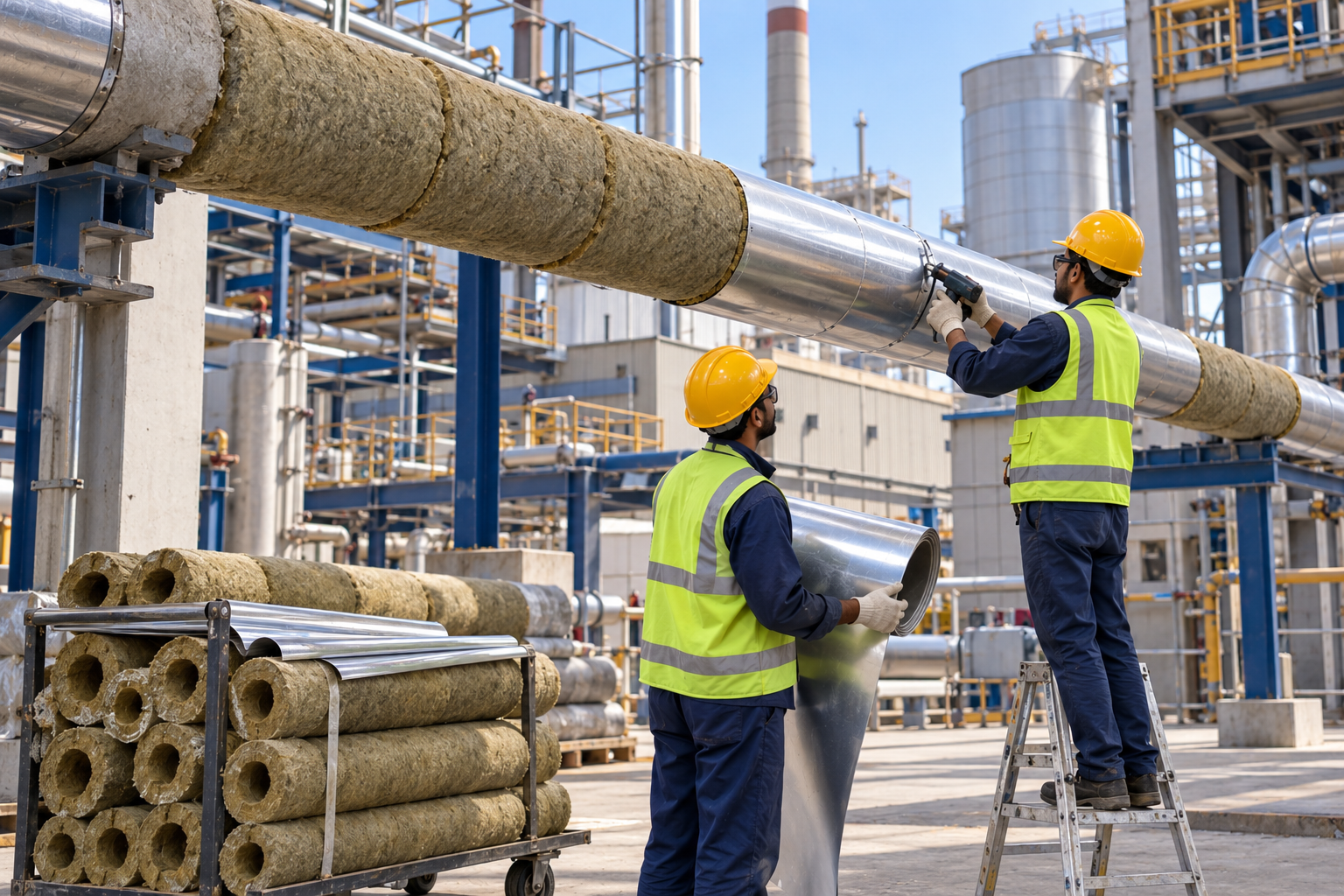
Pipes and equipment are insulated using pipe insulation made from rockwool, and this type of insulation is typically quoted per linear meter. The price will depend on the diameter of the pipes and the thickness of the insulation. It is important to keep this in mind when budgeting for large-scale industrial applications, as many buyers fail to account for the additional cost of insulated pipes when using a price per square meter as a basis for the calculation.
Glass Wool Pricing in Pakistan
Glass wool is generally a cheaper option, as it is more commonly available. Batts and rolls for residential and commercial applications typically range from PKR 150 to PKR 300 per square meter. Glass wool is typically more readily available than rockwool, and the lead time is shorter, especially for standard thicknesses and densities.
Polyurethane Foam Pricing in Pakistan
Polyurethane foam is generally more expensive than rockwool or glass wool per square meter, but it has better thermal properties. The price range varies greatly depending on the application, as polyurethane foam can be applied as a spray or used to make factory-formed panels. For cold storage applications, the price can vary greatly depending on the thickness of the insulation layer. A simple comparison of the price per square meter between polyurethane foam and rockwool is misleading, as the thermal performance of polyurethane foam is much better, especially at greater thicknesses.
Factors that Influence Price Per Square Foot
The density and thickness of the insulation layer. This is the most obvious factor, as the price of insulation is generally directly proportional to the thickness and density. A doubling of the thickness will not necessarily lead to a doubling of the price, but it will almost always increase it significantly. Similarly, higher-density boards, especially those designed for structural or fire-rated applications, will also be much more expensive.
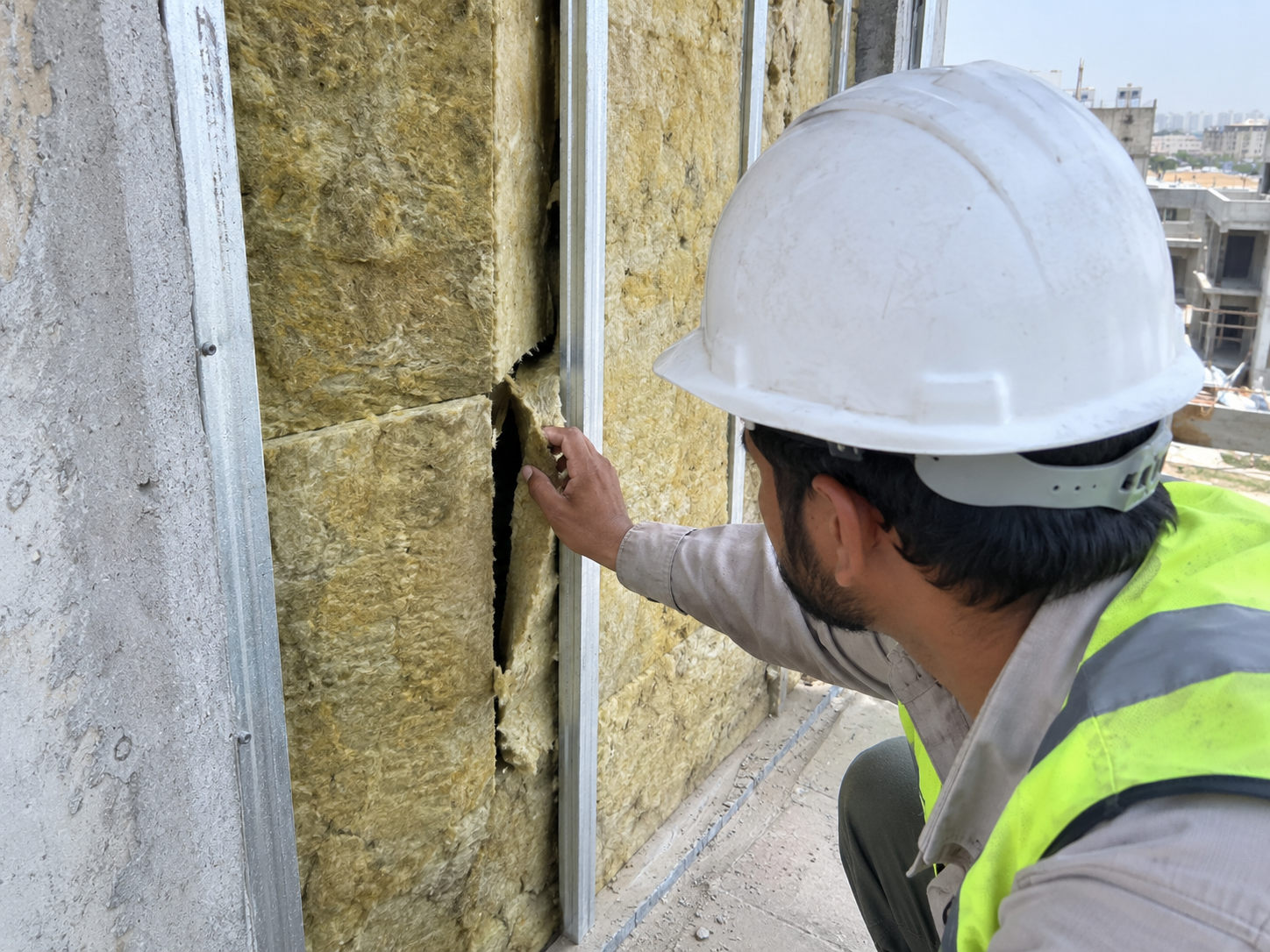
The facing, laminates, and additional accessories. A plain rockwool board is much cheaper than one with a foil or fabric facing, especially one with special acoustic laminates or vapor barriers. Many buyers fail to account for the additional cost of the facing when comparing prices, so it is important to look at the final product and its intended application when budgeting.
The complexity of the application and the location. The price quoted per square foot will be much higher for complex applications that require difficult-to-install insulation or special equipment to reach the installation site. It is important to have a realistic understanding of the labor costs that will be involved in the project, as they often vary greatly depending on the complexity of the application.
Imported versus locally available stock. The general price range for locally available rockwool and glass wool is much lower than for specially imported materials. This discrepancy should be taken into account when budgeting, as it can have a significant impact on the final price. It is important to discuss this with the supplier when establishing a budget, as it might be possible to choose a slightly lower thickness to stay within budget.
The size of the project. Larger projects generally have a lower price per square foot than smaller ones, as the material and labor costs are spread out over a larger area. Small residential applications will generally have a much higher price per square foot than large-scale commercial jobs, even if the same material is used.
The Price of Material Is Only Part of the Cost
One of the most common mistakes I see customers making when budgeting is that they consider only the price of the material when choosing an insulation option. It is important to consider the additional costs that come with the project, such as labor, scaffolding, removal of existing insulation, and additional finishing. Ask the supplier for an installed price per square foot, as it will give you a much more accurate representation of the total cost than a material-only quote.
How to Get a Quote That Lets You Compare Prices
When requesting a quote, make sure you are comparing the same materials with the same thickness and density. The installation labor should also be factored in, as some suppliers will quote a material-only price, while others include it in the final price. Ask for clarification on these details before requesting a quote, as a much lower price might simply be the result of a thinner board, lower density, or the exclusion of additional costs such as labor.
Why This Matters
Insulation is one of the few construction elements where the cheapest option ends up being the most expensive over the lifetime of the building. A proper budget that takes into account every aspect of the insulation project will allow you to make a more educated decision when choosing between materials and suppliers.
Frequently Asked Questions
What is the average price of insulation in Pakistan?
Glass wool batts and rolls range between PKR 150 and PKR 300 per square meter, while rockwool boards range between PKR 300 and PKR 600 per square meter. The price varies greatly depending on the thickness and density of the insulation.
Why do insulation quotes vary between suppliers?
Quotes vary greatly depending on the thickness and density of the insulation boards, whether or not the installation labor is included, and whether the material has to be imported for the specific project. These factors should be taken into account when comparing quotes.
Is polyurethane foam more expensive than rockwool?
Polyurethane foam generally has a higher price range than rockwool, but it has significantly better thermal properties.
Does insulation cost less on large-scale projects?
Larger projects generally have a lower price per square foot, as the costs are spread out over a larger area.
Should I budget for installation separately from insulation material?
Installation labor should always be budgeted separately, as it can make up a significant portion of the total cost, depending on the complexity of the application.
Contact Pakistan Insulations today for a free consultation and quote.
Phone: +92-21-34529722
Email: [email protected]
Website: www.pakinsulation.com