Cold Chain in Pakistan: Why the Insulation Fails Before the Refrigeration Does
Short answer: In Pakistan, the insulation of the cold chain breaks before the refrigeration units owing to high ambient temperatures, inappropriate selection of materials, and poor installation techniques. Changing to high quality polyurethane foam or Rockwool insulation eliminates thermal leaks, reduces the heavy workload on compressors and allows for long term temperature stability of sensitive goods.
Maintaining a reliable temperature-controlled supply chain is incredibly difficult in a region known for blistering summer heat. Logistics managers frequently deal with spoiled agricultural goods, degraded pharmaceuticals, and melting frozen products. When a cold storage facility loses its optimal temperature, facility owners usually point the finger at the mechanical refrigeration equipment. They assume the compressors or cooling coils have stopped working properly.
However, the mechanical cooling systems are rarely the root cause of the problem. The real culprit is often a problem with the facility’s thermal barrier. A refrigeration unit can only remove heat from a room. If the walls, floors, and ceilings allow ambient heat to pour inside continuously, the cooling equipment will run endlessly until the motors burn out.
Understanding the relationship between thermal barriers and mechanical cooling is vital for food processing companies, hospitals, and pharmaceutical distributors. By prioritizing high-grade structural materials over temporary fixes, companies can save thousands of dollars in ruined inventory and unnecessary equipment replacements. This article explains exactly why these structural thermal barriers degrade, how poor materials impact mechanical systems, and what facility managers must do to secure their cold storage investments.
What Causes Cold Storage Insulation to Fail in Pakistan?
Several specific factors cause thermal barriers to degrade rapidly in South Asian climates. Facility managers must recognize these vulnerabilities to protect their investments.
How Does Poor Material Selection Affect Thermal Efficiency?
Many builders attempt to cut initial construction costs by using low-density polystyrene panels or substandard local alternatives. These cheaper materials lack the structural density required to block extreme ambient heat transfer. As the temperature outside reaches 40 degrees Celsius (104 degrees Fahrenheit) or higher, low-density panels allow thermal bridging. Heat penetrates the walls, warming the internal environment. This forces the mechanical refrigeration systems to work twice as hard to maintain the target temperature. Over time, the constant influx of heat compromises the structural integrity of the cheap panels, leading to permanent warping and total thermal failure.
Why Is Moisture Infiltration So Dangerous for Cold Rooms?
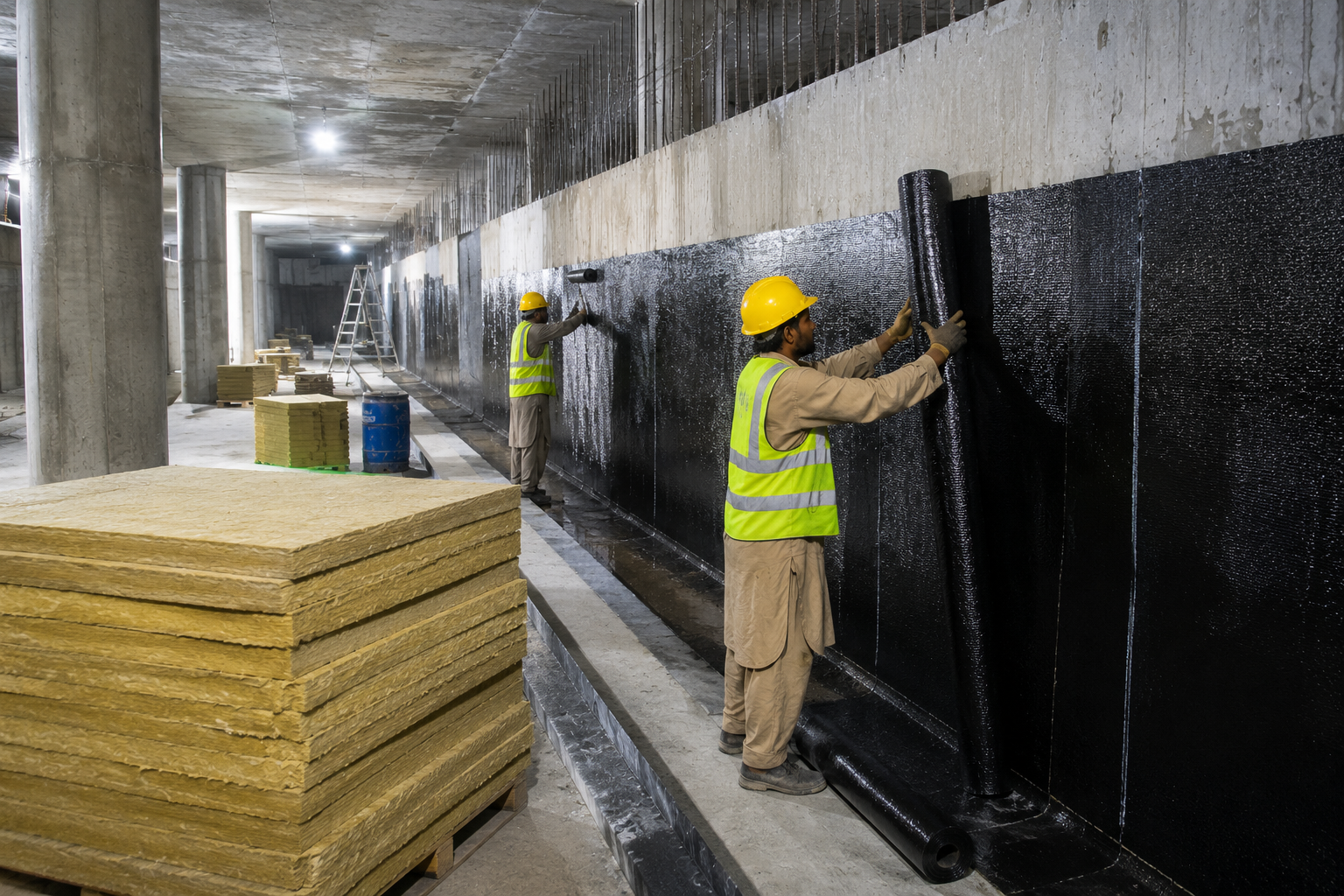
Moisture is the natural enemy of any thermal barrier. When warm, humid outside air meets the freezing temperatures inside a cold room, condensation forms inside the walls. If the builder did not install a proper vapor barrier, this moisture absorbs directly into the wall panels. Water conducts heat significantly better than air. Once a panel becomes damp, it completely loses its ability to block heat. Furthermore, trapped moisture in warm climates encourages rapid mold growth and structural rot, which violates strict hygiene standards required for food and pharmaceutical storage.
How Do Improper Installation Practices Ruin Thermal Barriers?
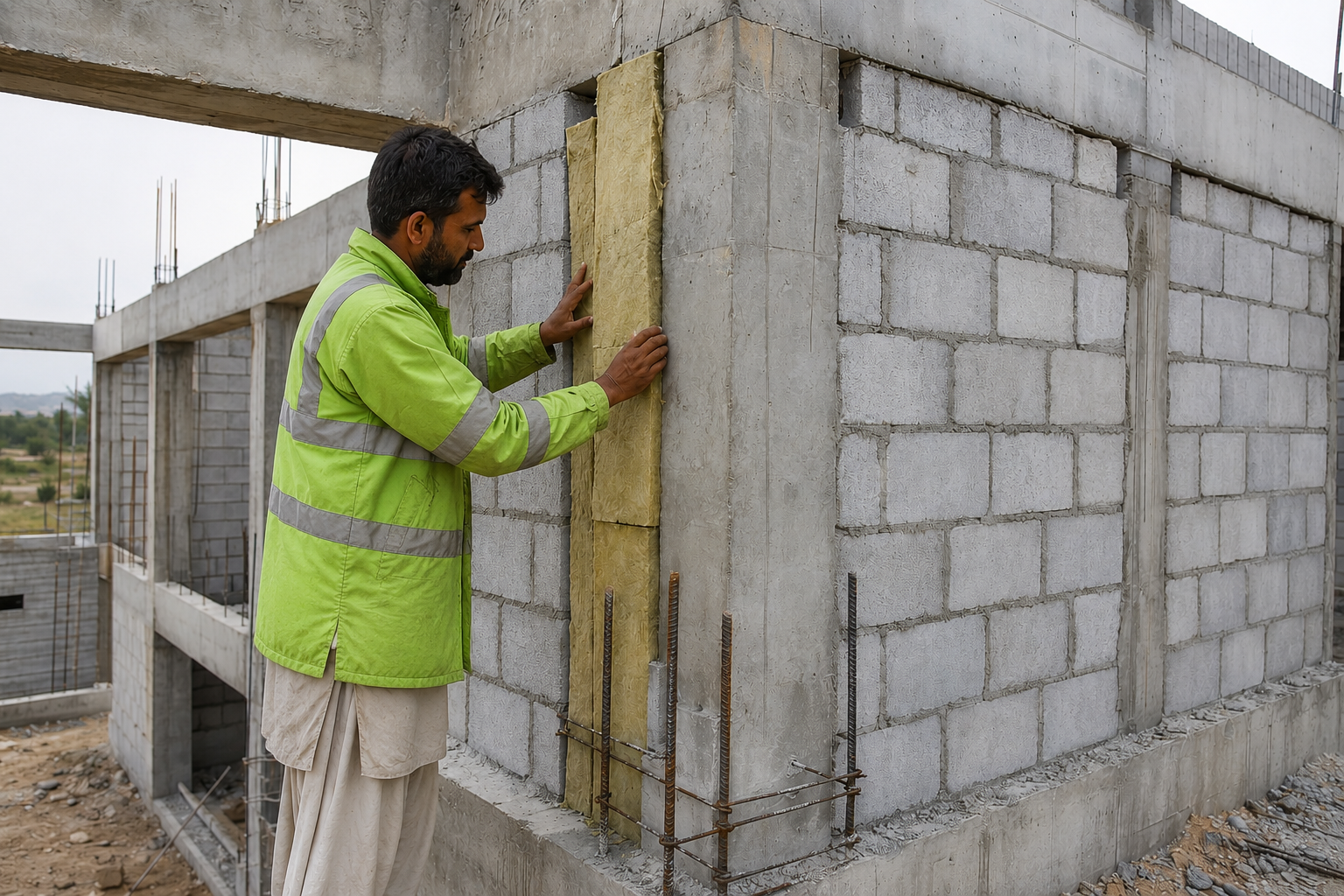
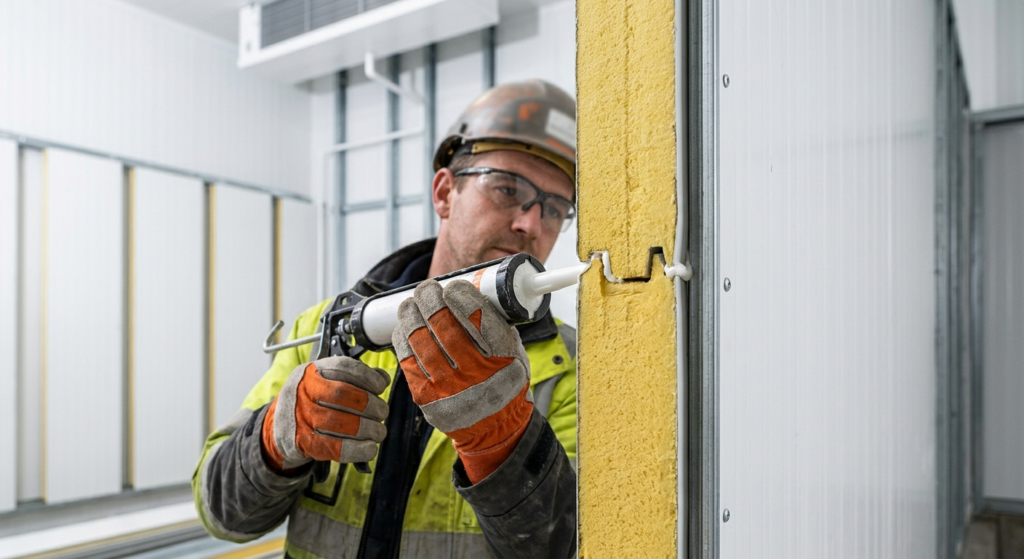
Even the most expensive materials will fail if the construction team lacks specialized knowledge. Gaps between wall panels, poorly sealed joints, and uninsulated flooring create clear paths for heat to enter the cold room. Air leaks around doors are particularly common. If the facility lacks high-quality fire-rated doors or specialized cold room seals, warm air rushes in every time a worker enters the space. These small installation errors compound rapidly, creating massive thermal loads that overwhelm the cooling equipment.
How Does Pakistan Insulations Prevent Cold Chain Breakdowns?
Companies looking to build resilient cold storage facilities need proven solutions designed specifically for regional climate challenges. Pakistan Insulations has operated as a pioneer insulation company in Pakistan since 1986. The company specifically engineers thermal solutions to withstand harsh environmental conditions while promoting energy conservation.
Pakistan Insulations began applying polyurethane foam for domestic and cryogenic cold storage use in 1995. Polyurethane foam offers exceptional thermal resistance, creating an airtight seal that completely blocks moisture and heat transfer. The company has successfully insulated numerous cold rooms, cryogenic applications, and specialized cold boxes for fishing boats. By using professional-grade polyurethane, Pakistan Insulations ensures that the cooling equipment operates efficiently without being overworked by constant heat infiltration.
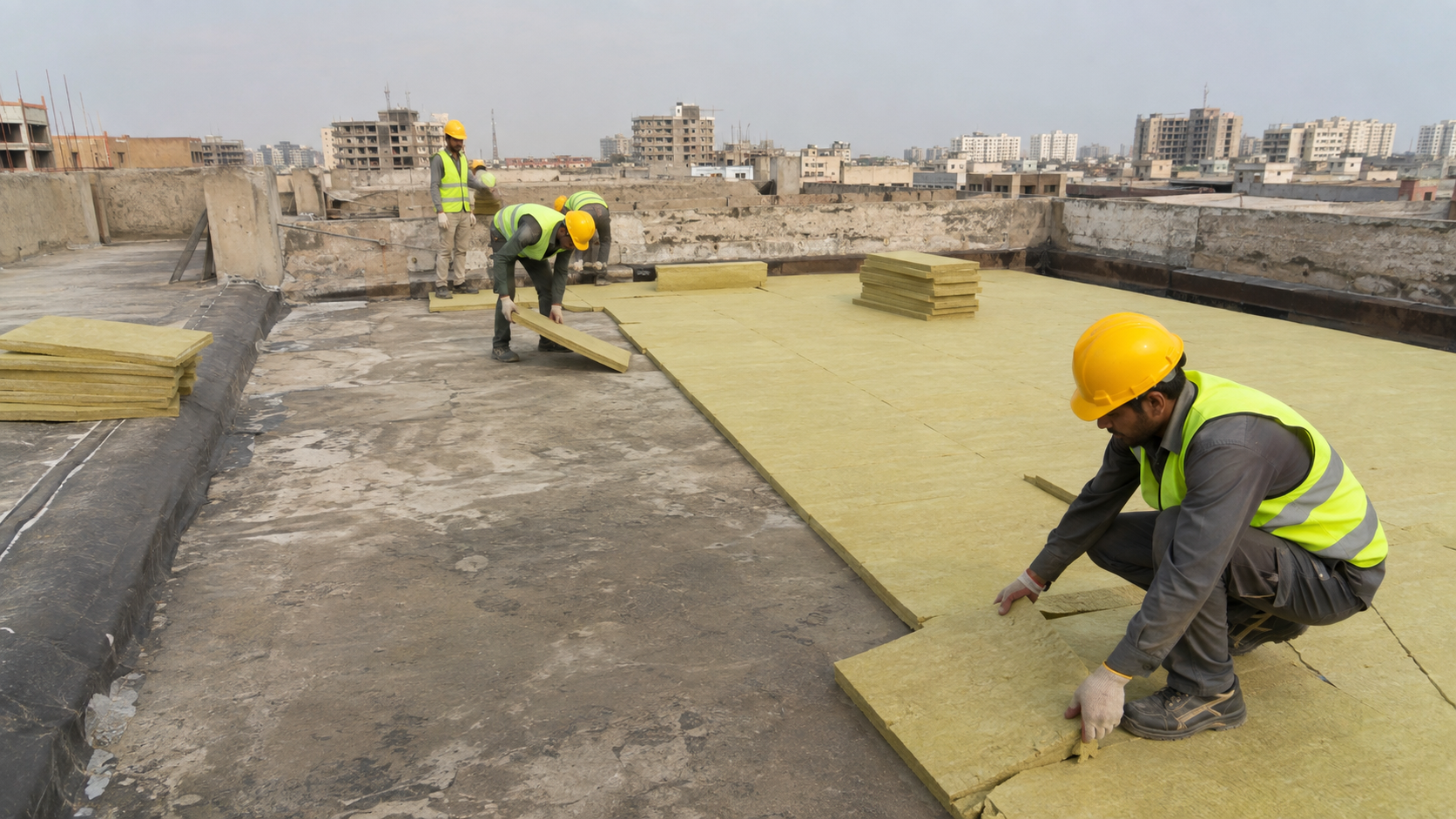
For industrial applications requiring fire prevention alongside thermal efficiency, Pakistan Insulations manufactures Rockwool. This fibrous material, produced from various minerals, offers excellent thermal insulation properties while significantly reducing fuel costs tied to unnecessary energy losses. The company also builds clean rooms for the food, hospital, and pharmaceutical industries, ensuring a hygienic and highly energy-efficient environment.
Securing the Future of Pakistani Temperature-Controlled Logistics
Investing heavily in top-tier refrigeration equipment makes no financial sense if the building itself leaks heat. A successful cold chain operation relies entirely on the integrity of its thermal barriers. High-quality materials like polyurethane foam and Rockwool protect your inventory, reduce your monthly energy bills, and extend the lifespan of your mechanical cooling systems.
If your facility struggles with fluctuating temperatures or skyrocketing energy costs, the time to evaluate your structural thermal barriers is right now. Reach out to a specialized provider like Pakistan Insulations to conduct a thorough energy audit and upgrade your facility to modern thermal standards.
Frequently Asked Questions
How Much Does It Cost to Install Industrial Cold Storage Insulation?
The cost of installing cold storage insulation varies based on the size of the facility, the required temperature range, and the specific materials chosen. Using premium polyurethane foam requires a higher initial investment than basic materials, but it drastically reduces monthly energy bills and prevents expensive inventory spoilage.
How Long Does High-Quality Polyurethane Foam Insulation Last?
When placed appropriately by professionals with suitable vapor barriers, high-quality polyurethane foam insulation may last 20 to 30 years without losing its heat resistance. By regularly maintaining seals and joints, the material will continue to keep the cold room protected for its entire lifespan.
What Are the Risks of Using Cheap Panels for Cold Rooms?
Using low-density or cheap panels leads to rapid thermal bridging, moisture accumulation, and mold growth. These panels force your refrigeration units to run continuously, which causes mechanical breakdowns and leads to massive product losses due to temperature fluctuations.
What Is the Best Alternative to Regular Fiberglass for Industrial Insulation?
Rockwool is the best alternative to standard fiberglass for industrial applications. Manufactured from minerals, Rockwool provides superior thermal efficiency, excellent acoustic insulation, and unmatched fire resistance, making it ideal for high-temperature piping and heavy industrial facilities.
Who Should Use Clean Room Technology in Their Facilities?
Food processing companies, pharmaceutical manufacturers, and hospitals must use clean room technology. Clean rooms maintain strict hygiene standards and highly energy-efficient environments, preventing contamination while keeping sensitive products at precise temperatures.
📞 +92-21-34529722
✉ [email protected]
🌐 www.pakinsulation.com