The Hidden Cost of Uninsulated Factories in Pakistan
TL;DR: Not insulating industrial insulation may seem like it saves money in the short term, but Pakistani firms that don’t insulate usually end up spending a lot more on energy bills, wear and tear on equipment and compliance risk over a period of 10 years. With the correct insulation, like Rockwool, the loss of heat may be greatly minimised and there will be a return on investment that much surpasses the initial cost.
Factory owners in Pakistan are under pressure from all sides: rising fuel costs, inconsistent electrical supply and overcrowded budgets. Insulation is lowered when money has to be saved. Seems safe enough – barriers still up, machines still on, manufacture continues.
But in over 10 years? But the numbers paint a different tale.
This essay explores the real financial cost of not using industrial insulation in Pakistan, including energy losses, equipment damage, worker productivity, and regulatory risk. If you run a facility for manufacturing, cold storage, or processing, it’s worth making this estimate before your next budget cycle.
The Real Energy Loss in an Uninsulated Factory
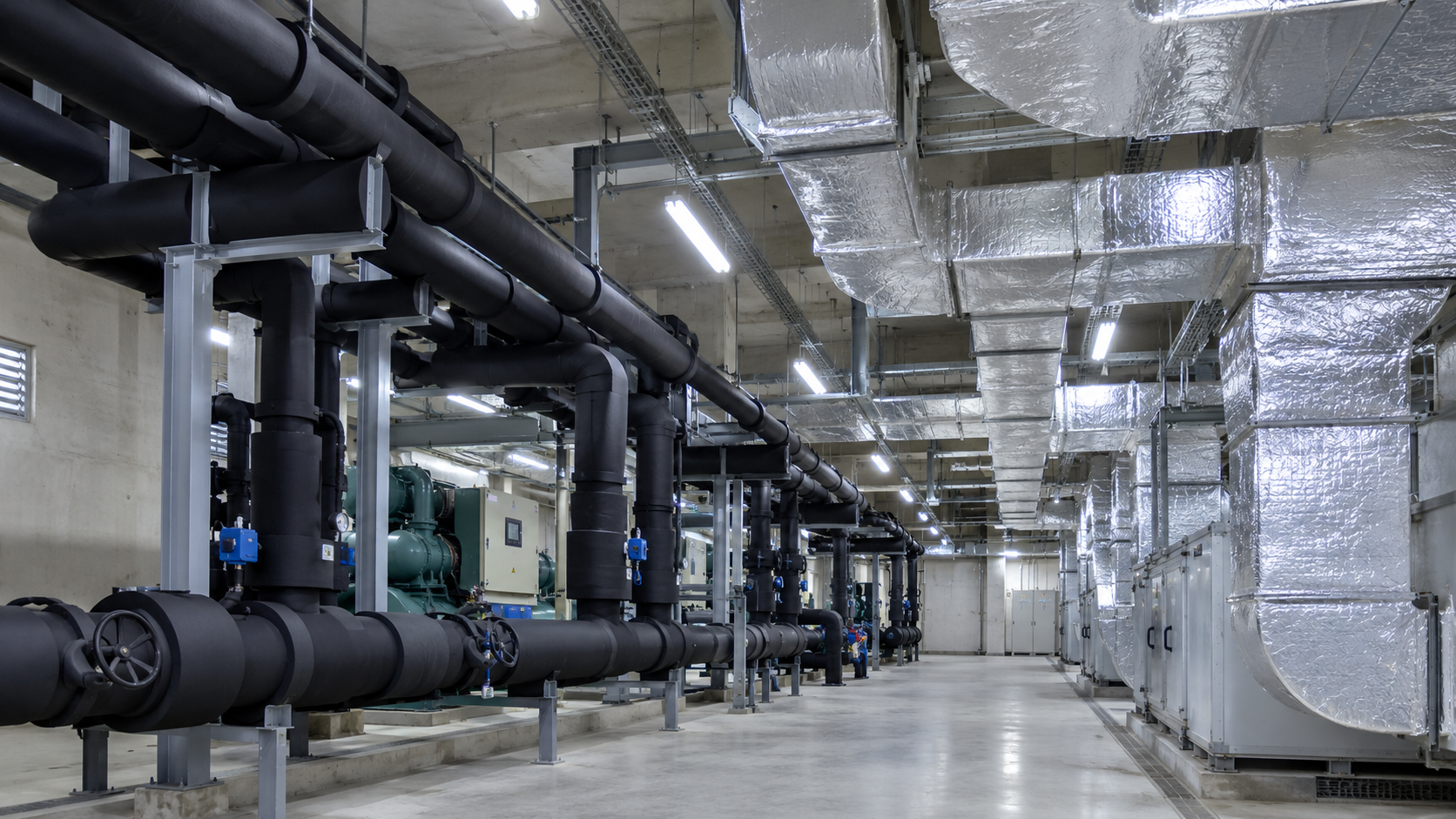
Heat transmission is never over. In the absence of insulation for industrial buildings, pipelines and surfaces of equipment, thermal energy is continuously lost to the surrounding environment. In the atmosphere of Pakistan where summer temperatures regularly exceed 40°C in cities like Karachi, Lahore and Multan, this loss is compounded.
A bare industrial pipe containing steam or hot fluid might lose 100 to 300 watts of heat per meter depending on the temperature difference and diameter of the pipe. Multiply it by hundreds of meters of pipe in a mid-sized enterprise and the energy losses each year can total millions of dollars.
On the cooling side, insufficient insulation in cold storage facilities forces refrigeration compressors to work harder and longer, resulting in higher power consumption and compressor damage. In the last few years, the cost of industrial energy in Pakistan has increased sharply and every kilowatt hour of avoidable loss is costlier than it was a decade ago.
Energy Waste: How Much Does 10 Years Cost?
Let me phrase this another way. Suppose there is a mid-sized manufacturing factory in Karachi with:
- 200m unlagged steam pipe
- Average heat loss 150W/m²
- 16 hours running per day, 300 days a year
- Cost of 50 PKR per kWh of industrial electricity or fuel equivalent (conservative considering today’s pricing)
Energy lost per year from piping alone:
200m x 150W = 30,000W = 30kW
30kW x 16 hours x 300 days = 144,000 kWh/year
50 x 144,000 = PKR 7.2 million/year
That’s PKR 72 million in wasted energy costs in 10 years, just on piping — not counting walls, roofs, equipment surfaces or cold storage.
For PKR 2 to 5 million you could install and run a high grade Rockwool product completely insulated alternative for well over a decade with minimum maintenance. You will see a return on your investment in the first year or two of operation.
What are the other hidden costs other from energy charges?
Loss of energy is the largest concrete outlay, but is by no means the only one.
How can skipping insulation harm industrial equipment?
Uninsulated systems have relatively large mechanical stresses. Pipes that lose heat fast may experience more frequent thermal cycling — expanding and contracting with changes in temperature — which worsens joint wear and increases the possibilities of leaks or failures. Losses make boilers and heat exchangers work harder and cut their service life.
The impacts are just as harmful for cold storage facilities. Refrigeration compressors run longer cycles to maintain objective temperatures in poorly insulated locations. The higher runtime decreases the life of the compressor from an estimated 15 to 20 years to as little as 8 to 10 years. But replacing a commercial compressor unit is not cheap.
The Impact of a Hot Factory on Worker Productivity and Safety
The existing manufacturing worker force in Pakistan is working under difficult conditions. July is a highly risky time to be at a factory in Karachi. High temperatures in the surrounding air diminish mental function, raise the risk of errors, and boost the threat of sickness due to heat.
Repeated studies show that productivity noticeably drops in temperatures exceeding 33°C. This is not just about comfort for businesses that do sensitive work, such as pharmaceutical production, food processing and electronics assembly. It immediately affects the quality of output and the rate of rejects.
Good thermal insulation also helps to maintain a stable interior climate by limiting heat incursion via roofs and walls and makes mechanical cooling systems considerably more efficient.
What are the compliance and regulatory implications of insufficient insulation?
The industrial sector in Pakistan is subject to an expanding number of requirements for energy efficiency and worker safety. Facilities seeking to obtain export certifications or working under international supply chain requirements are increasingly pressured to demonstrate responsible energy management.
In food goods, cold storage facilities need to have tight temperature controls. Inventory spoilage, regulatory action, and ruined client relationships might be consequences of poor insulation failure. Fire safety is another consideration—Rockwool and similar mineral wool insulation materials offer fire resistance that bare industrial surfaces just don’t supply.
The Right Insulation Solution For Pakistan Factories?
It depends on the application, but there are a number of established materials and methods that are well suited to the industrial environment in Pakistan.
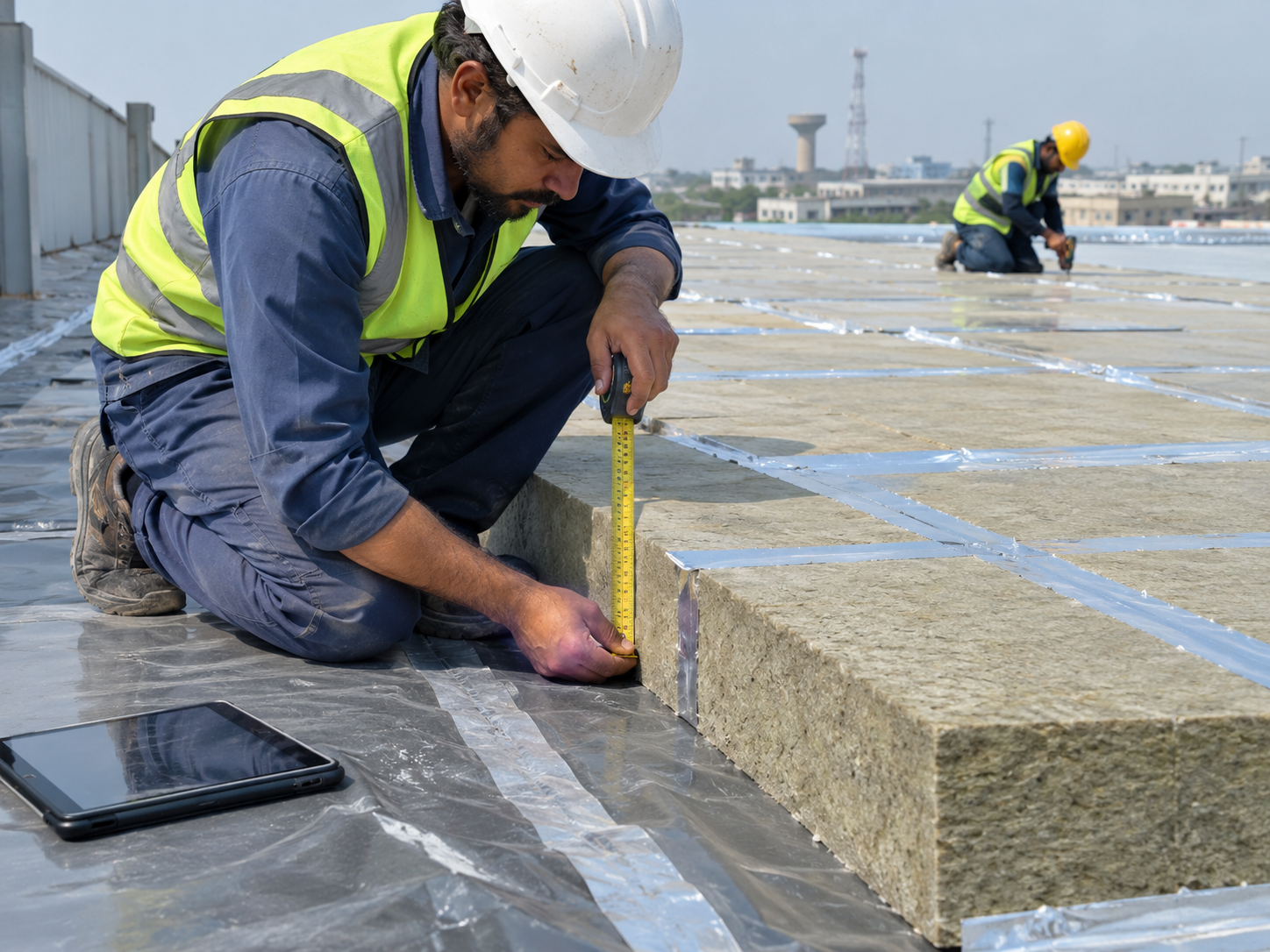
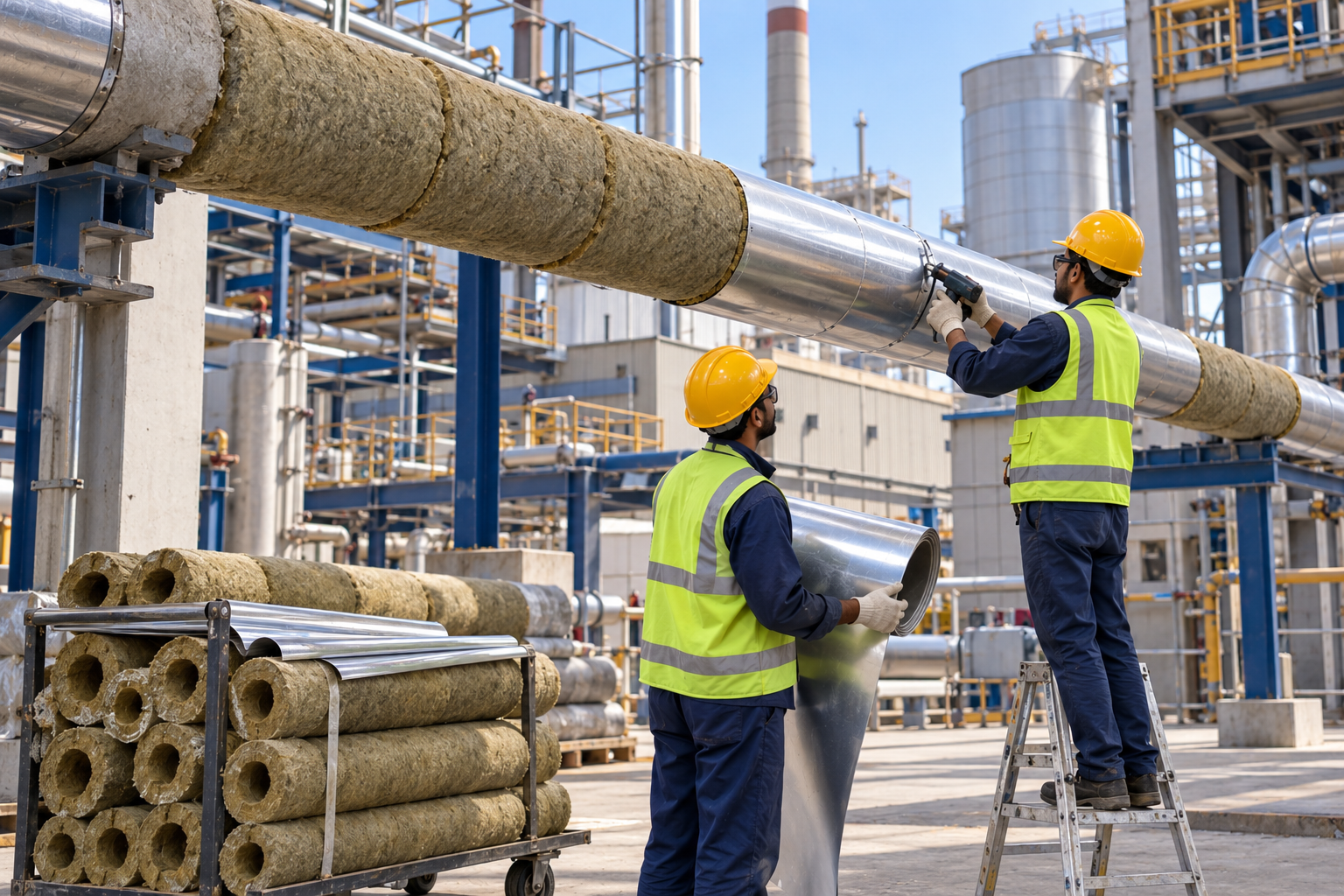
- Rockwool (Mineral Wool): The most widely used industrial insulation material in Pakistan. Rockwool has great thermal performance, fire resistance and acoustic insulation. Since 1986, Pakistan Insulations (Pvt.) Ltd. has been manufacturing Rockwool under the Termolan brand and supplying it to major projects such as power plants, refineries and chemical processing facilities. Available as blankets, rigid board and pre-formed pipe cover.
- Polyurethane Foam (PUF): Particularly useful for cold storage applications where strict temperature control is needed. Pakistan Insulations has been utilizing PUF for household and cryogenic cold storage since 1995.
- Pre-Engineered Buildings (PEB) with Integrated Insulation: Pre-engineered steel buildings may be constructed with insulation integrated into the building envelope from the beginning, reducing retrofit expenditures down the road.
How Quickly Does Industrial Insulation Pay for Itself?
The payback period depends on the amount of work, energy costs and kind of facility. Most industrial facilities in Pakistan would see a carefully designed insulation project pay for itself within 12 to 36 months. Beyond that, the energy reductions are just cost reductions.
For a factory paying PKR 7-10 million annually on excessive heat losses, an insulating expenditure of PKR 3-5 million returns fully in less than two years. In case of a mid-sized facility, the net save easily nears PKR 50-60 million over a 10-year horizon.
That’s not a minor advantage. It’s a financial game plan.
Don’t Let Another Year of Energy Losses Slip By
The cost of disregarding insulation is not a one off investment. It compounds every month, every year, every time energy prices rise. For Pakistani factory owners and plant managers, the arithmetic is straightforward: proper insulation lowers energy waste, maintains equipment, improves working conditions, and pays for itself in a fraction of its operating life.
Since 1986, Pakistan Insulations (Pvt.) Ltd. has been helping industrial facilities all around Pakistan meet precisely these challenges. The team has expertise in Rockwool insulation, cold storage solutions, fire-rated systems and pre-engineered buildings, so they can take a look at your facilities and provide a solution that’s suited to your unique needs. So, contact Pakistan Insulations now to receive guidance.
Frequently Asked Questions
How might industrial insulation save energy costs for manufacturers in Pakistan?
Properly designed industrial insulation may cut heat loss from pipes, walls and surfaces of equipment by 80%. Many Pakistani facilities report energy savings of 20-40% on thermal processes once insulation is implemented, depending on present levels of heat loss and the scope of work completed. In practical terms
What is the best insulator for industrial pipes in Pakistan?
The most often used choice in industrial pipework in Pakistan is the use of Rockwool (mineral wool) pre-formed pipe covers. Rockwool offers good thermal performance and is fire resistant, performing dependably across the temperature ranges seen in industrial, power producing and refinery applications.
How long is industrial insulation in Pakistan industry environment?
High grade Rockwool and polyurethane foam insulation systems designed to have a life duration of 15-25 years with low maintenance when done correctly. Pakistan Insulations (Pvt.) Ltd also Provides Installation & Project help for long term performance.
Yes, industrial facilities in Pakistan are legally obliged to be insulated.
The rising need for insulation is fuelled by energy efficiency rules, food safety standards (for cold storage) and international supply chain compliance requirements, however the required parameters range by industry and certification type. Some classifications of facilities require fire-rated insulating systems, as a function of safety regulations.
Where Pakistani enterprises acquire insulation assessment or quote?
Pakistan Insulations (Pvt.) Ltd offers consulting & budget friendly rates for industrial insulation projects in Pakistan. You may reach them on: