Pharma Factory Insulation in Pakistan: GMP Requirements
Quick Answer: Pharmaceutical facilities in Pakistan should have insulation that is GMP-compliant, such non-shedding clean room panels, fire-rated products, and sealed cold storage systems. Proper insulation reduces temperature, humidity and contamination, enabling operations to meet regulatory audits and safeguard product quality.
This is not a warehouse, it is a pharmaceutical factory. Every surface, seam and air pocket can impact the safety of the drug generated within. That’s why insulation is more important in pharma manufacturing than most people think.
In Pakistan, the medication makers are required to comply with the Good Manufacturing Practice (GMP) rules issued by the medication Regulatory Authority of Pakistan (DRAP). Insulation is at the center of all of them. These standards range from air quality to temperature control — condensation, microbiological development, pollution and failed inspections are all consequences of poor insulation.
This article covers what GMP required from pharma plant insulation, which materials are most suited and how to find a partner who understands the implications. If you’re designing a new plant or improving an existing plant, you’ll find the top things to focus on before you break ground.
Why insulation is so important in pharma production
Pharmaceuticals need to be produced in a stable, regulated setting. A little change in temperature or humidity can destroy a batch, promote microbial development or degrade a medicine.
Insulation is a regulator of conditions. It minimizes heat transmission through walls and ceilings, resists moisture, and helps HVAC systems maintain exact climate control without wasting energy. In clean rooms, insulation also forms part of the barrier to contamination from the sterile areas to the outside world.
Get it wrong, and the consequences are serious. Cold surfaces can allow for condensation, creating breeding grounds for mold. Gaps in panels enable dust and debris to enter. Both can stop a production line and lead to expensive regulatory action.
What GMP is asking pharma factory insulation?
GMP requirements emphasize on cleanliness, control, and uniformity. This means that there are certain definite needs for insulation.
Smooth finishes, non-shedding
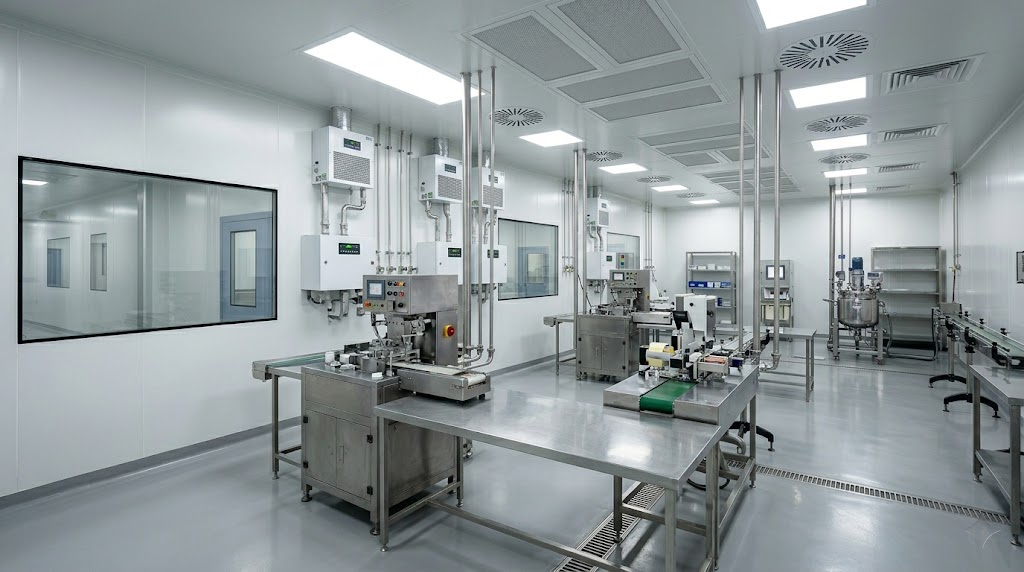
Clean room walls and ceilings should be simple to clean and should be free of debris. Insulation panels should have smooth, sealed surfaces that don’t discharge fibers or dust into the air. Sandwich panels with hygienic facings are a common choice when contamination resistance and ease of cleaning are required.
Fire retardancy
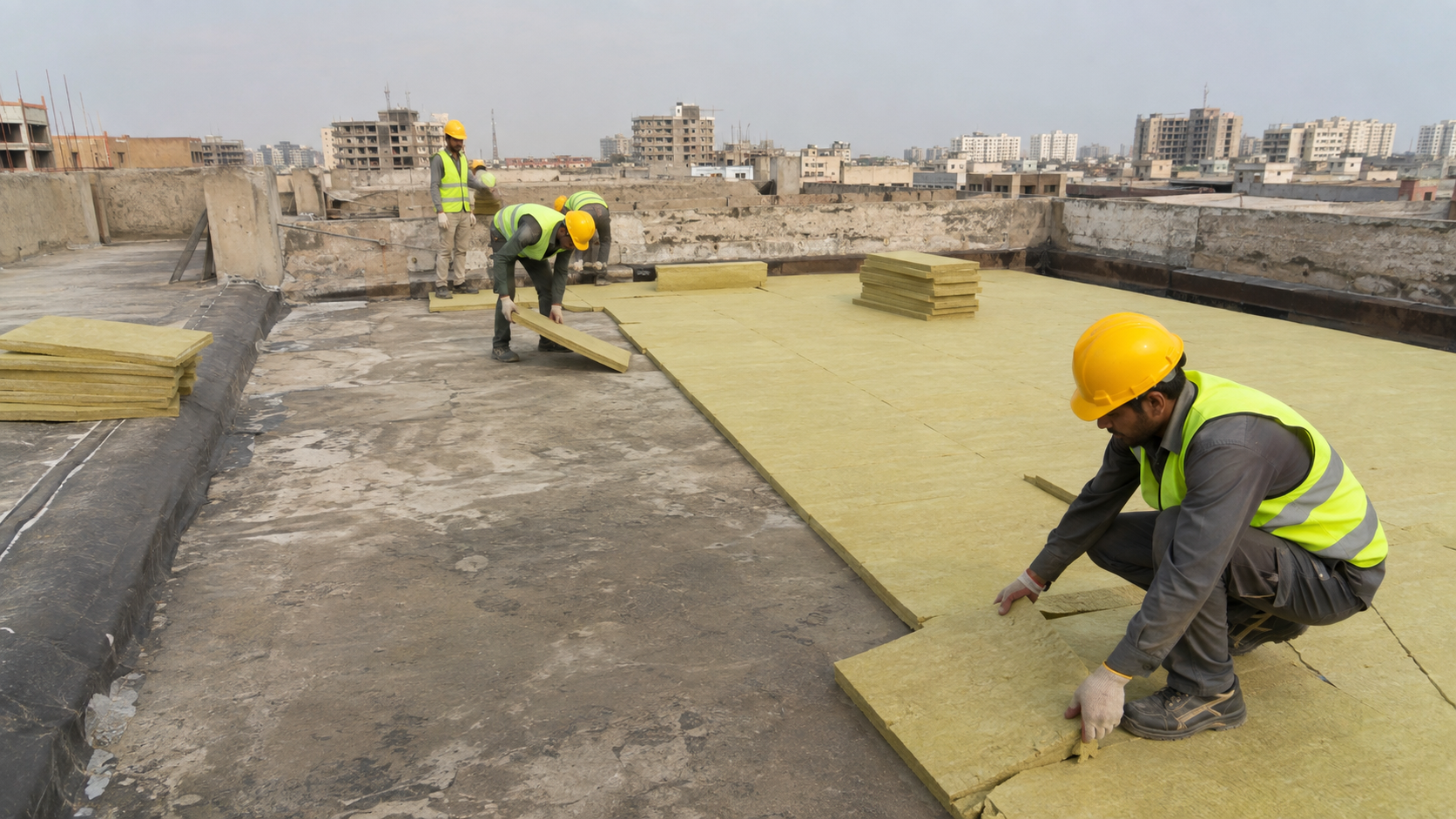
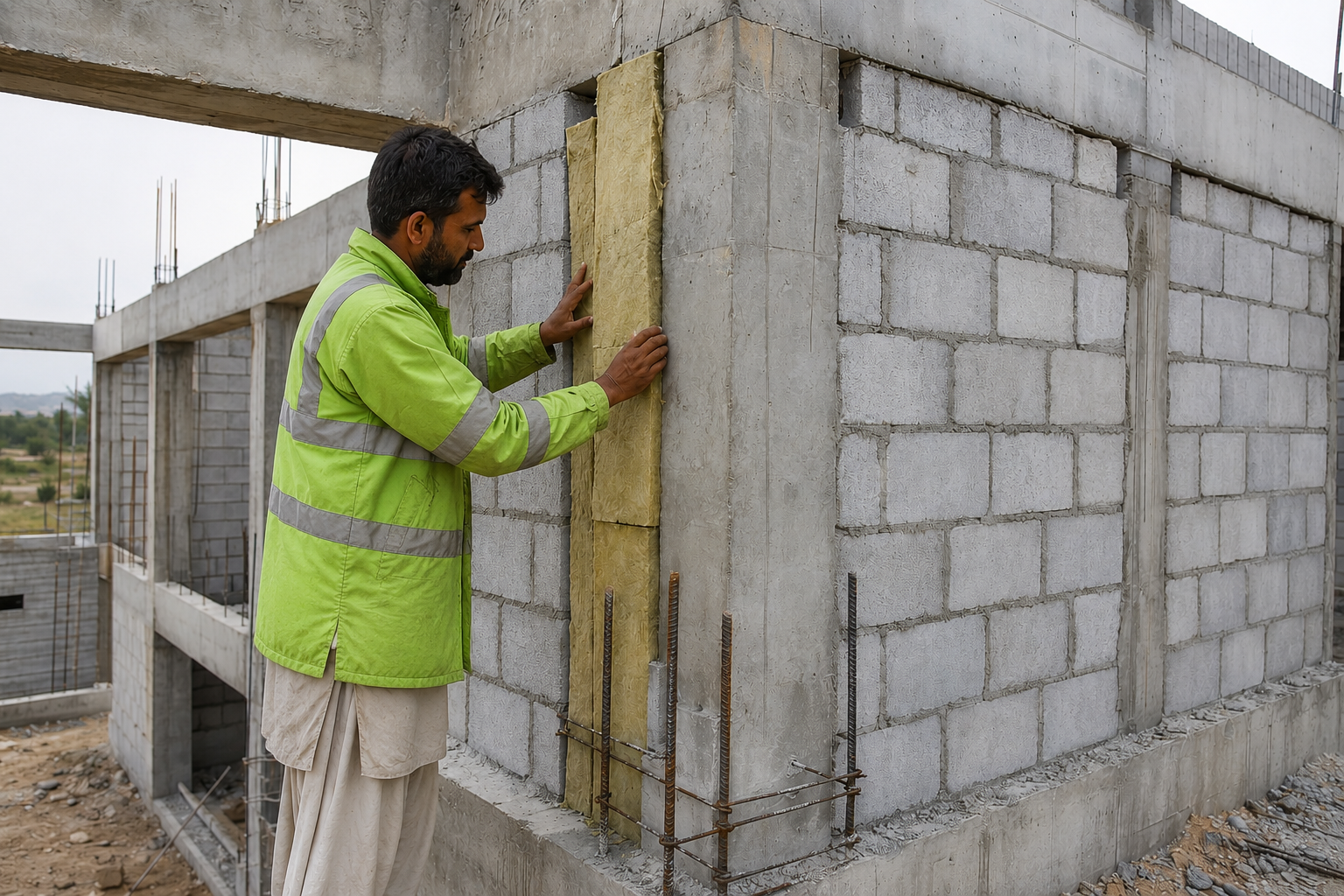
Fire safety is non-negotiable in pharmaceutical plants where combustible solvents are stored and sensitive equipment is employed. GMP-aligned insulation should be fire-rated to reduce the spread of flames and smoke. The most popular is a mineral based substance called Rockwool, which is inherently non-combustible.
Moisture and condensation management
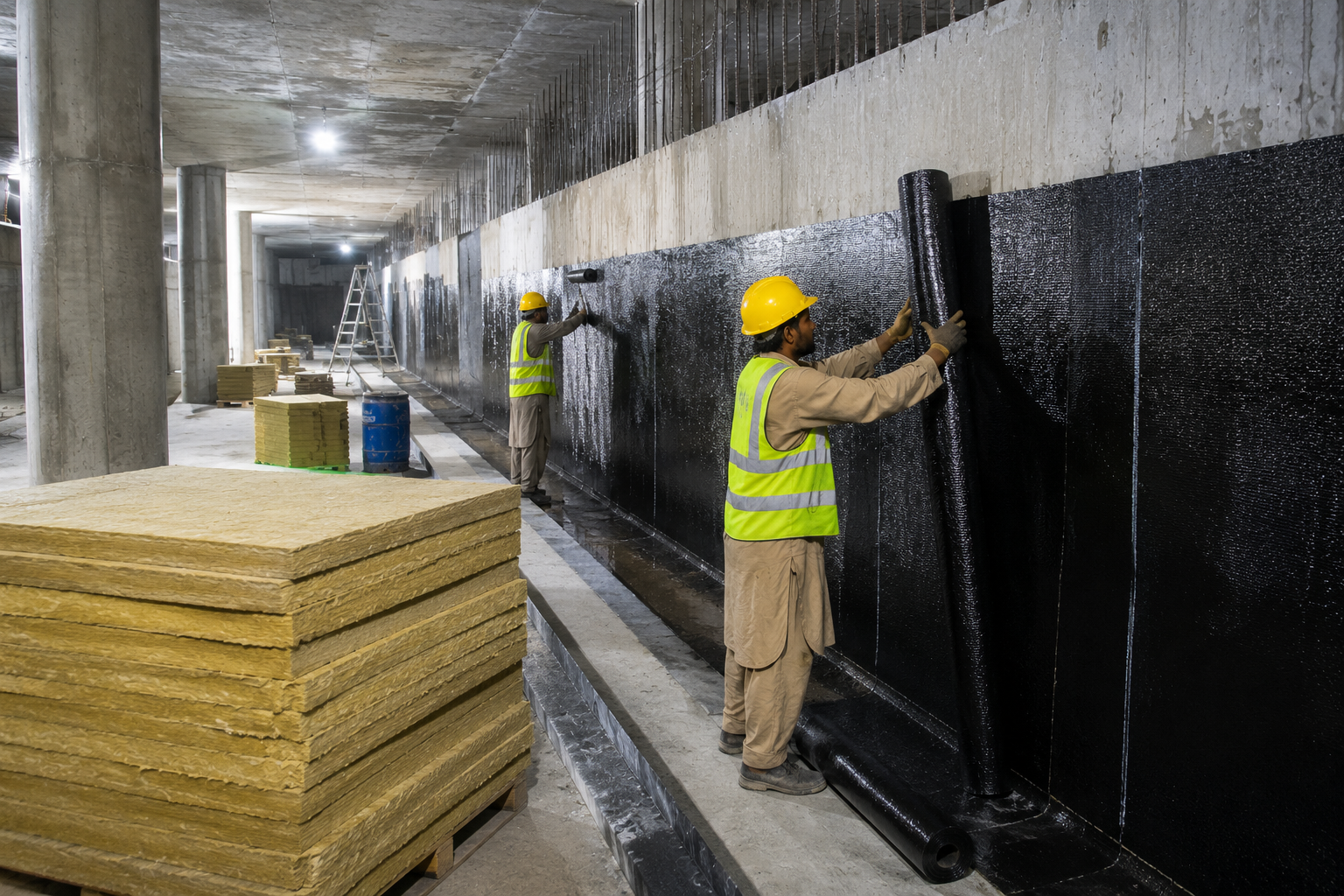
Humidity has to be closely monitored. Moisture migration must be stopped to prevent condensation on cold surfaces, especially in cold storage and temperature-controlled spaces. Polyurethane foam is a good choice for this job.
Heat stability
Consistent temperature is the basis for GMP compliance. High-performance insulation helps the facility maintain target temperatures by limiting heat gain and loss, reducing energy costs.
Air tight sealing
Joints and seams should be sealed to prevent leaking of air and penetration of particles. To preserve the right pressure and avoid cross-contamination, a clean room needs a continuous, well-installed insulating envelope.
Which insulation materials work best for pharma factories?
Varied areas of a pharmaceutical factory have varied requirements. Here’s how the most common materials line up.
- Rockwool (mineral wool): Great for fire rated walls, ceilings and partitions. It has excellent thermal and acoustic properties and is inherently non-combustible.
- Polyurethane (PUF) panels: These are best to use in cold storage and temperature-controlled environments. Closed-cell construction resists moisture and provides excellent insulation value in a narrow profile.
- Sandwich panels: For clean rooms in sterile production facilities. Smooth, sealed facings keep particles out and make cleaning simple.
- Fire-rated doors: Not just insulation, but an important component of the contamination and fire barrier between zones.
The proper mix relies on the purpose of the space, the regulatory categorization, and the product being made.
How to select best insulation partner in Pakistan?
It’s not only the material that matters, it’s the firm that sources and fits it. Poor installation can undo the benefits of even the best insulation.
Pakistan Insulations (Pvt.) Ltd has been producing insulating solutions since 1986 for pharmaceutical and clean room applications throughout the nation. The firm manufactures Rockwool, polyurethane based cold storage solutions, clean room panels and fire certified doors, all GMP oriented criteria.
Having decades of industry expertise and having successfully completed over 250 projects, Pakistan Insulations offers not only products but also installation and project assistance. That combination crucial for pharma operations where compliance depends on product quality and accurate fitment.
When assessing any partner ask three questions:
- Are they offering GMP-compatible, fire-rated and hygienic materials?
- Do these come only for delivery or do they come with installation and sealing?
- Can they show experience with clean room or industrial projects?
The correct insulation is the first step in building a compliant pharma plant
Insulation is one of the first decisions that will determine whether or not a pharmaceutical plant will pass its GMP audits and it is one of the hardest to fix after construction. Getting it right from the start protects your products, your staff, and your reputation.
Focus on smooth, non-shedding finishes, fire resistance, moisture management and air tight sealing. Match each material to the room’s function, and work with a supplier that knows both manufacture and installation.
Frequently Asked Questions
What insulation is required for pharmaceutical clean rooms in Pakistan?
Clean rooms need smooth, non-shedding insulation panels with sealed, hygienic facings. Sandwich panels are typical as they resist contamination, are easy to clean and maintain regulated air pressure and particle levels.
Is Rockwool suitable for GMP pharmaceutical facilities?
Yes. Rockwool is inherently non-combustible and provides excellent thermal and acoustic insulation. This makes it ideal for use in fire-rated walls, ceilings and partitions in GMP-compliant pharmaceutical factories.
How does insulation help meet GMP standards?
Insulation maintains stable temperature and humidity, blocks moisture and condensation, supports fire safety, and forms part of the contamination barrier in clean rooms. All of these are core GMP requirements for pharma manufacturing.
What’s the best insulation for pharma cold storage?
Polyurethane (PUF) panels are the preferred choice for pharmaceutical cold storage. Their closed-cell structure resists moisture and delivers high thermal performance, keeping temperature-sensitive products within required limits.
Who supplies GMP-suitable insulation in Pakistan?
Pakistan Insulations (Pvt.) Ltd, established in 1986, manufactures and installs Rockwool, polyurethane cold storage systems, clean room panels, and fire-rated doors for pharmaceutical and industrial facilities across Pakistan.
Ready to plan your facility? For GMP compliant insulating solutions for your pharmaceutical factory, contact Pakistan Insulations:
 +92-21-34529722
 [email protected]
 www.pakinsulation.com