Understanding Insulation Fire Ratings – What is Non-Combustible?
When asked if a product is ‘fireproof’ you’ll likely get 9 out of 10 saying ‘yes’. When asked for the test report most will be less forthcoming. There’s often some loose terminology around fire ratings and sometimes you won’t know until there’s a fire how much you’ve been paying for. Below is a breakdown of what the terminology Really Means.
Confusion
Most confusion comes from confusing:
- Reaction to fire – Will the material catch fire, burn, spread flames or emit smoke?
- Fire resistance – How long will a complete wall, floor or roof resist fire, maintaining strength and structural integrity?
This is a distinction between a material and constructed system. A material could be excellent in the first category but be used within a poor performing wall.
Non-Combustible
A non-combustible material will not burn or provide any fuel to a fire. In Europe (many product data sheets use European standards) this is given using a rating known as Euroclass. The ratings go from A1 at the top down to F. A1 means no contribution to fire at all. A2 means very little contribution to fire. The lower the rating the greater the contribution.
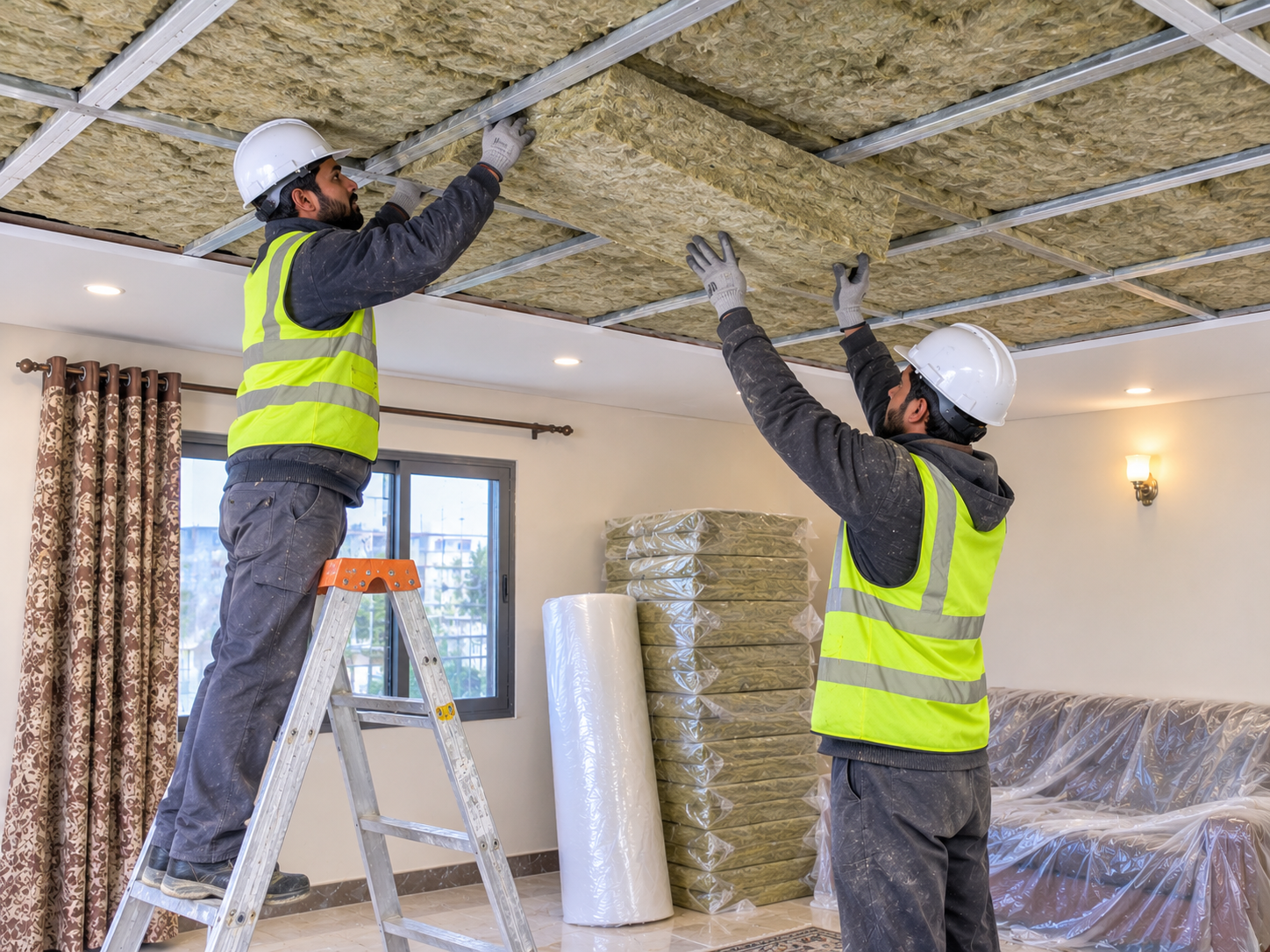
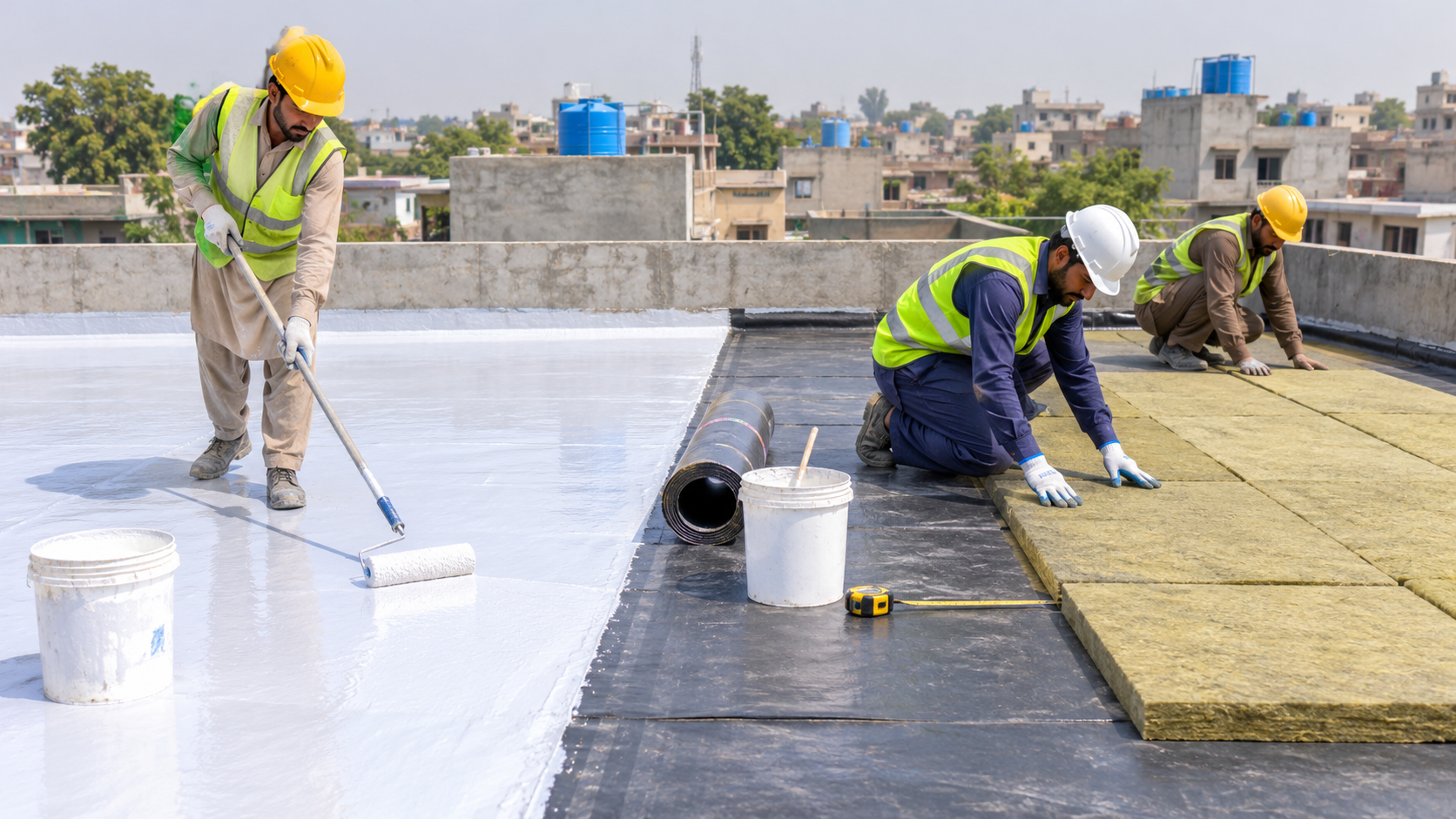
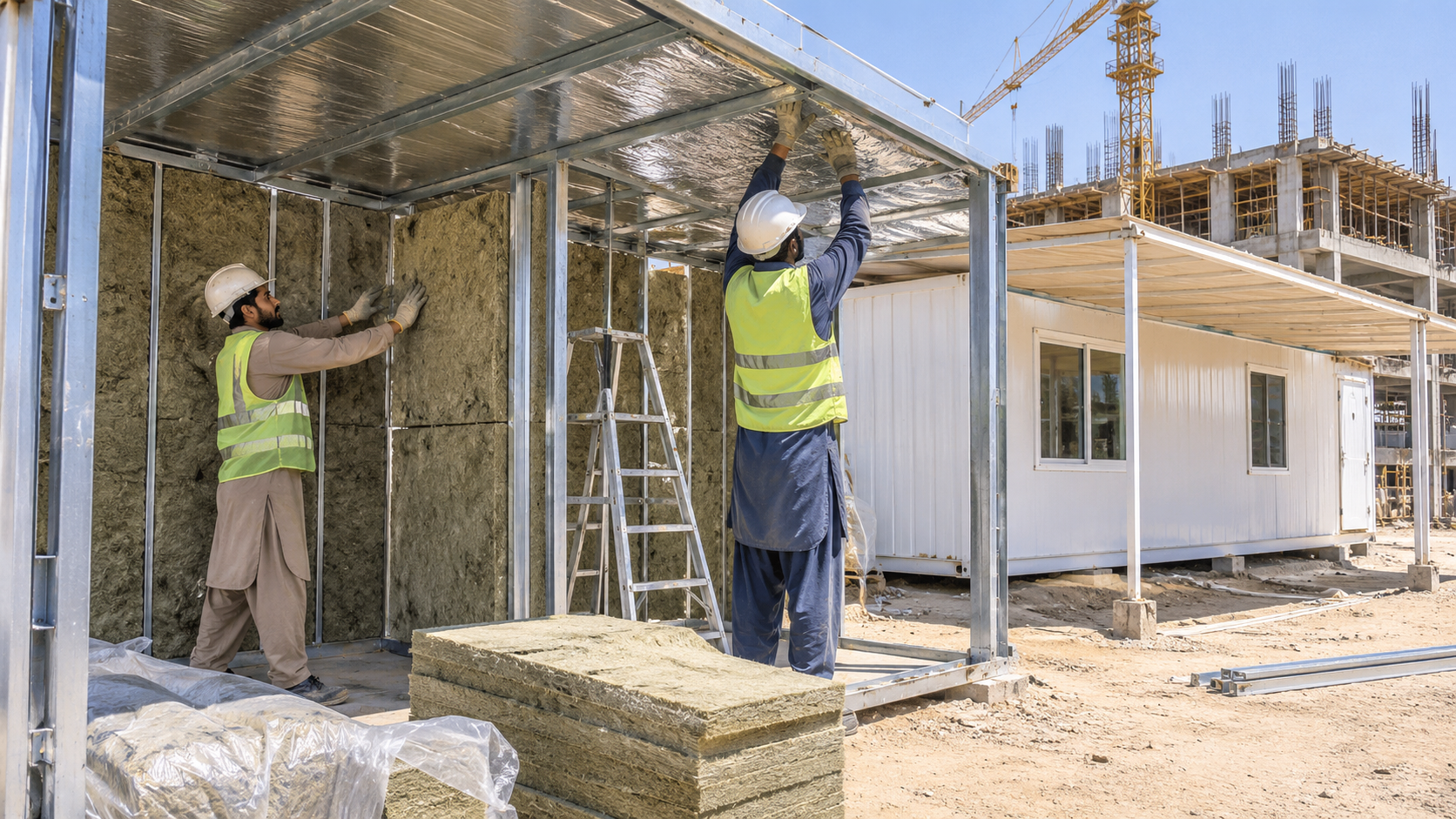
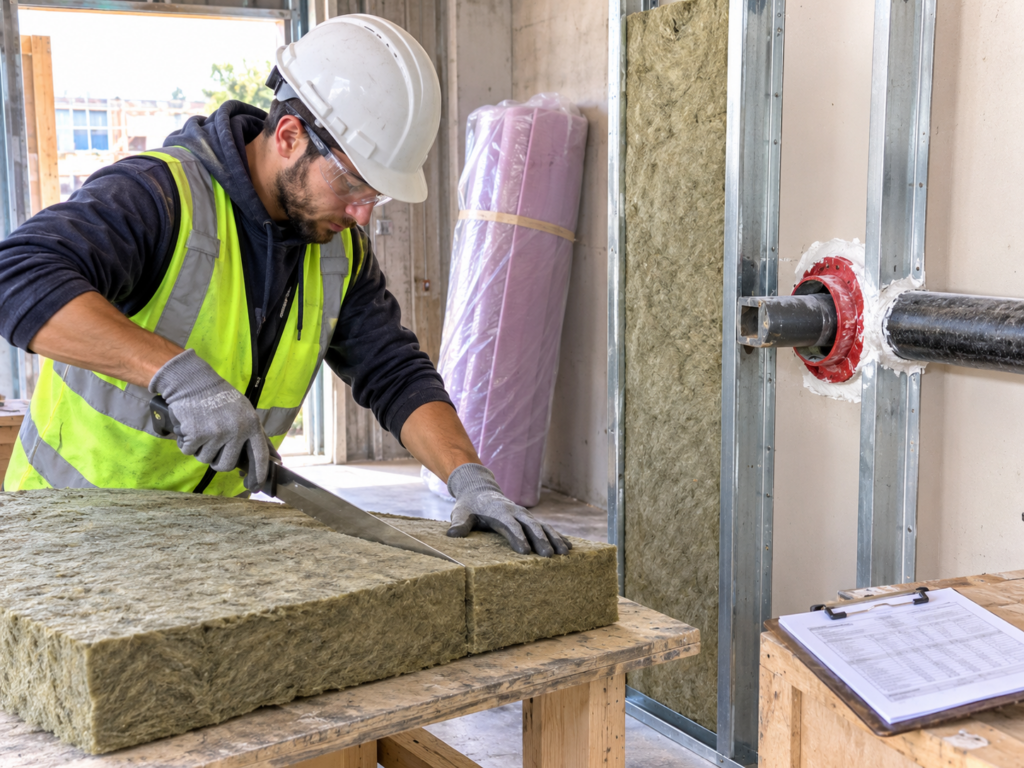
Rockwool is usually rated A1 due to it being made from molten rock. It also has high temperature resistant fibres meaning it can be trusted within Fire Rated walls, around steel and for hot work in industry. Glass wool is also a mineral based material and can often give good results. However the rating can be reduced if it has a foil or paper facing.
Fire Retardant
This is the most important thing to be careful of. Fire Retardant products have additives to help prevent a combustible material catching fire easily or burning quickly. This doesn’t mean that they’re non-combustible. Many plastics such as PU, PIR and EPS can be supplied with Fire Retardant additives but will still burn, melt and emit dense smoke when on fire. Sometimes a retardant product is fine for the application however it’s not like rockwool. If you see Fire Retardant on a data sheet without a rating then ask questions.
Fire Rated
Usually a Fire Rated product refers to constructed systems. A wall, floor, ceiling or door would be tested to meet certain criteria such as integrity (preventing flames from spreading) and insulation (staying cool on the opposite side). It will tell you that the system has performed as tested. If you change the thickness, fixings or joints then the rating may not apply. Insulation would form part of this system but wouldn’t have a fire rating.
Data Sheet
- Look for a rating rather than a description. A1 is a rating. Fireproof is a marketing term.
- Find out if it was tested on the product alone or with a facing. Products with facings can have different ratings.
- Look for a test certificate from a recognised lab with the product name and date. If there isn’t one ask for it.
- Ensure that you’re looking at the whole system if there are any claims around fire resistance. Thickness, fixings, joints and substrate should match what was tested.
- Find out if there are any claims around smoke and droplets. Often more people get hurt from smoke than flames.
Importance
Fire performance will determine the choice of material in places such as hospitals, hotels, data centres, airports, mosques, malls, commercial kitchens and anywhere with lots of people or valuable items. It will also be important in industrial plants where there are hot items, fuel or dust. Building and fire regulations in Pakistan will specify requirements for certain buildings. Your architect or fire consultant will be able to advise you. The insulation is just one part of the equation but will be in the building for decades.
Common Errors
- Confusing Fire Retardant with non-combustible.
- No test certificate.
- Not considering the facing/adhesive/core of sandwich panels.
- Thinking that a material rating will give a fire rating to a wall.
- Leaving gaps around pipework, cables and ducts where a Fire Rated wall has been penetrated.
Summary
Ask for the rating, ask for the certificate and ask what was tested. A confident supplier will be able to answer these questions with no issues. If they’re unsure then chances are the claims aren’t either.
FAQ
Is rockwool fireproof?
Rockwool is non-combustible and usually has an A1 rating. Rockwool can handle very high temperatures. Fireproof is not a technical term so look for the rating and certificate.
What is the difference between non-combustible and Fire Retardant?
Non-combustible materials won’t burn. Fire Retardant materials are combustible materials that have additives to stop them easily catching fire or burning quickly.
Does insulation have a fire rating?
Fire ratings are given in minutes. They refer to complete systems such as walls, floors and doors. Insulation will have a reaction to fire rating and will contribute to the performance of the system.
Can foam insulation be used safely?
Depending on the application some can be. As long as they’ve been tested to meet the requirements for that building and location. For high risk areas it’s safer to go for non-combustible.
What should I ask my supplier?
Euroclass or equivalent rating, test certificate from recognised lab, what was tested (core or facings), complete system if referring to a system.
Contact Pakistan Insulations today for a free consultation and quote.
Phone: +92-21-34529722
Email: [email protected]
Website: www.pakinsulation.com