Winter Gas Load Shedding in Pakistan: How Insulation Keeps Your Home Warm Without Burning More Gas
Every year around November the same conversations start. Gas pressure drops, the evening supply becomes unreliable, and people begin worrying about how they will keep a house warm. Most of the advice that follows is about heaters: which one to buy, which one costs less to run. Very little of it is about the other half of the problem. A house that loses heat quickly will stay cold whatever you put inside it, because the warmth leaves as fast as you can make it.
Why Pakistani Homes Lose Heat So Fast
Most houses here were built for the summer. A concrete roof, thin brick walls and large single-glazed windows keep the heat out in June only to let the warmth escape in January. Heat always moves from warm to cold, and the larger the gap between your room and the outside air, the faster it goes. A gas heater is then spending most of its energy replacing what the building loses.
Insulation reduces the loss. When a room holds its heat, the heater runs for less time, you use less gas or electricity, and the room stays comfortable when the supply drops or cuts out.
Where the Heat Escapes
- The roof: Warm air rises, and an uninsulated roof is usually the biggest single route out of a house, especially for top-floor rooms.
- The walls: Single-leaf brick and concrete walls conduct heat easily, particularly walls that face the wind.
- Windows and doors: Single glazing, gaps around frames and under doors let heat out and cold air in.
- The floor: Ground-floor rooms and rooms above open spaces such as car porches can feel cold underfoot and pull heat downward.
- Gaps and cracks: Small openings around pipes, ducts and fittings add up to a surprising draught.
What Helps Most, in Order
1. Seal the Draughts
This is the cheapest improvement and the one people skip. Door seals, gap filler around window frames and thick curtains cost very little and make a noticeable difference to comfort.
2. Insulate the Roof
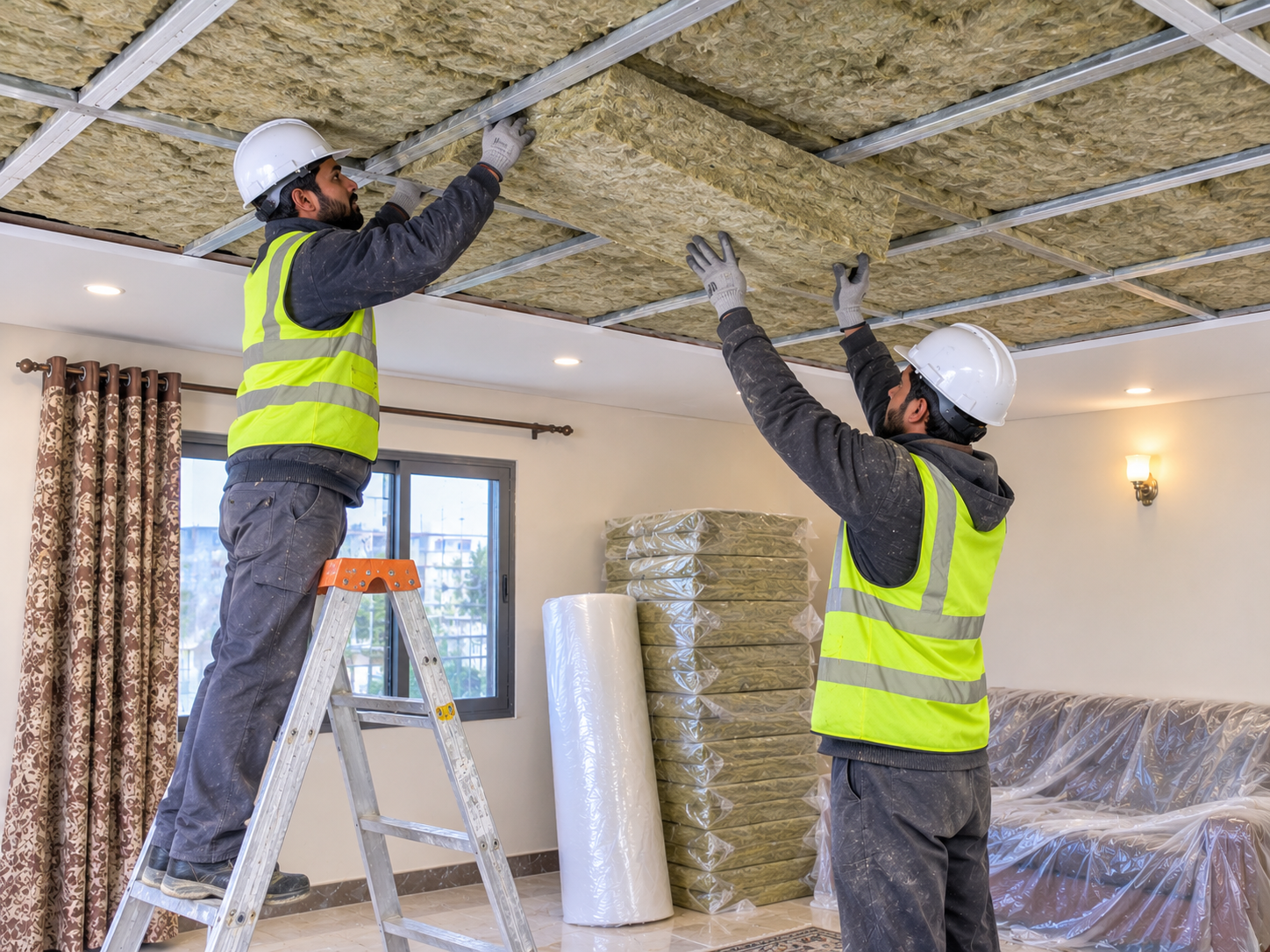
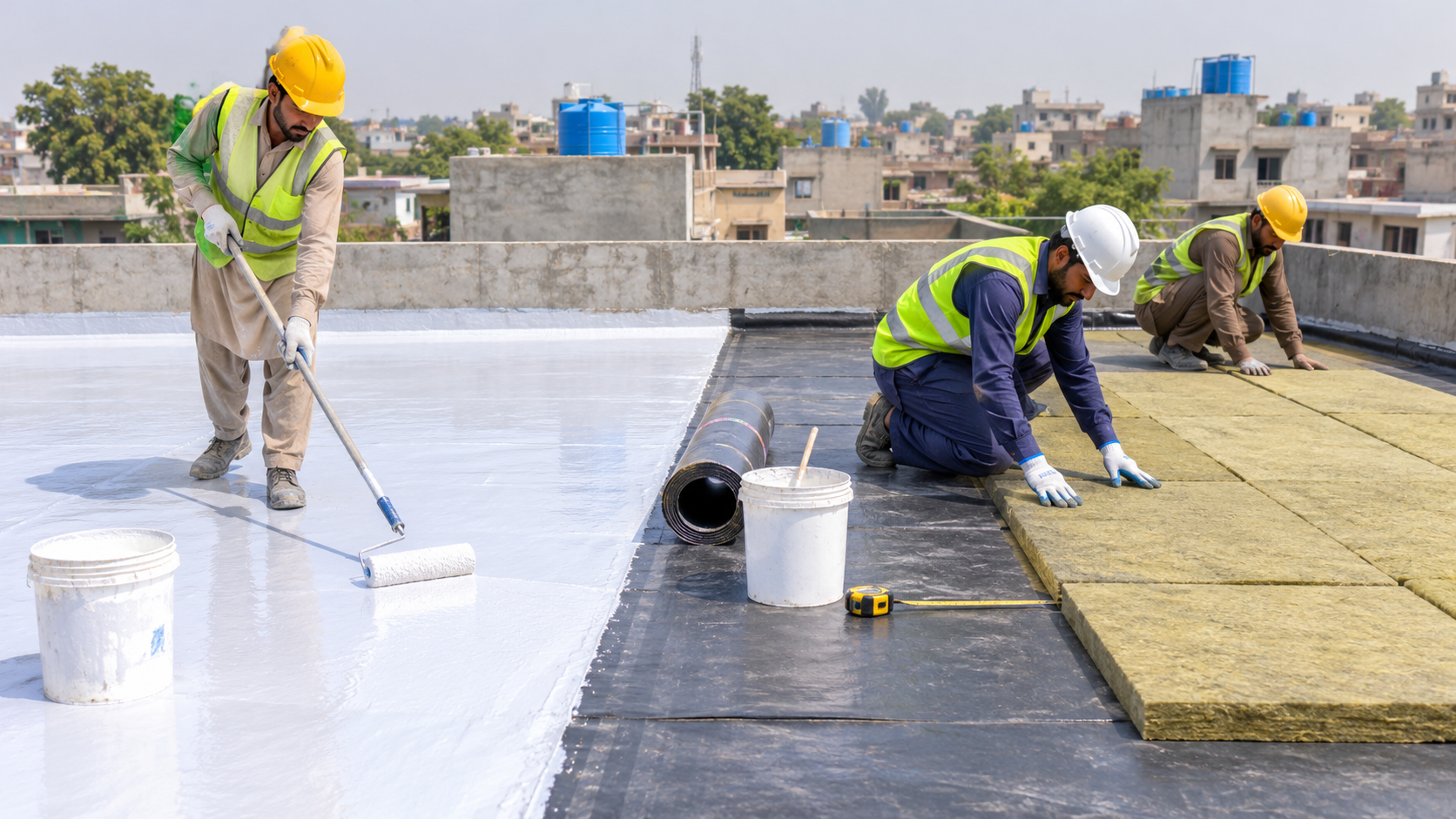
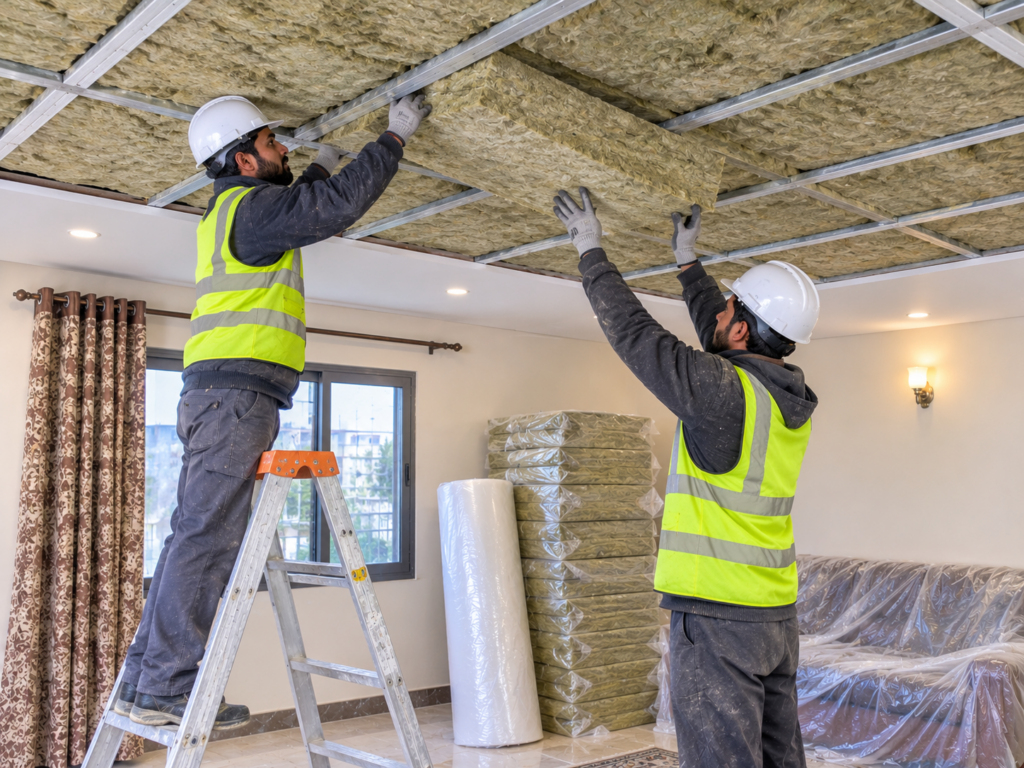
For most homes this is where the largest gain is. Boards or batts of rockwool or glass wool above or below the slab, or above a false ceiling, hold heat in during winter and keep it out in summer. It works in both directions, which is why it pays back over more than one season. Our guide on roof heat proofing versus roof insulation explains how it differs from coatings, which do very little in winter.
3. Deal With the Windows
Windows are harder to fix cheaply, but options exist: better seals, heavy curtains with a lining, secondary glazing or double glazing where the budget allows. Even closing curtains at dusk helps.
4. Insulate the Walls
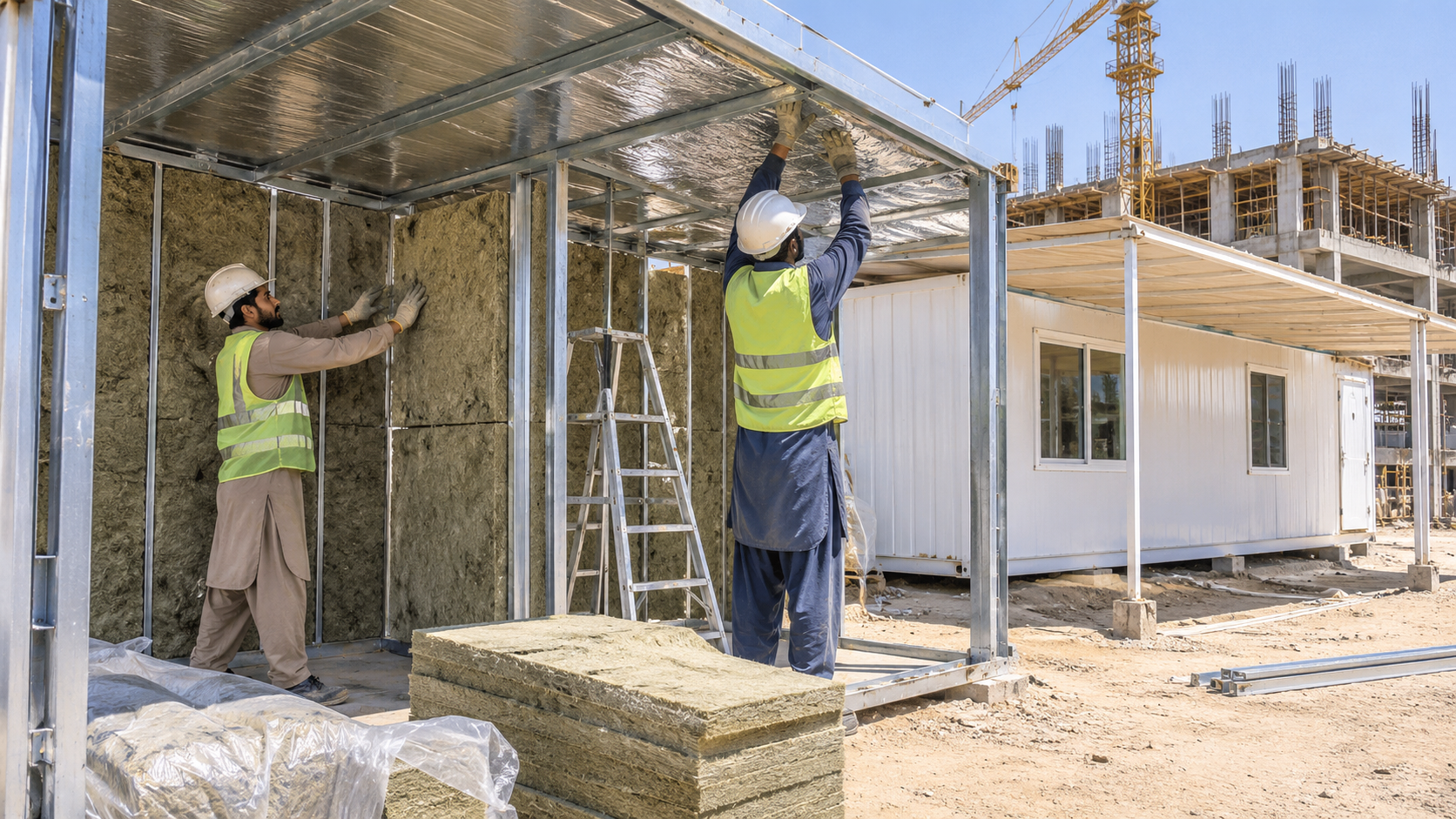
Wall insulation is a larger job, usually done on the inside with a lining or on the outside as part of a renovation or new build. It is worth planning for new houses and major refurbishments, particularly in the cold north.
5. Look at the Floor
Rugs and carpets help in a small way. Where a floor sits over an open space, insulation underneath is more effective.
The Cold North: Murree, Gilgit, Chitral, Swat and Beyond
Homes in the mountains face months of temperatures near or below freezing, and fuel can be costly or hard to get. Here insulation moves from being a comfort upgrade to a necessity. A well-insulated roof and walls with sealed, well-fitted windows can make the difference between using a lot of fuel and using much less. These buildings also need attention to moisture, since warm indoor air meeting cold surfaces causes condensation and damp.
An Important Safety Warning
Please read this part carefully. Sealing a house to keep the warmth in must never mean blocking the ventilation that gas appliances need. Gas heaters and geysers that burn indoors use up oxygen and can produce carbon monoxide, which is odorless and kills quietly every winter in Pakistan. Never sleep in a closed room with an unvented gas heater running, never block vents or chimneys, and keep some air flowing wherever gas is burned. If you are improving airtightness, plan ventilation at the same time. Consider fitting a carbon monoxide alarm. When in doubt, ask a qualified technician.
What About Condensation and Mold?
A warmer, tighter house with no ventilation can develop damp walls and mold, especially in bathrooms and kitchens. The aim is a house that holds its heat but still breathes a little. Extractor fans, trickle vents or simply opening windows briefly each day usually do the job.
How Much Will You Save?
It depends on your house: the roof type, the number of exposed walls, the windows, how you heat and how you live. Be wary of anyone who promises a fixed percentage without looking at the building. What you can expect is a room that warms up faster, stays warm longer after the heater is off, and costs less to heat. That matters most when supply is unreliable.
A Practical Winter Plan
- Seal gaps around doors and windows this week.
- Use heavy curtains and close them at dusk.
- Focus heating on the rooms you use, with doors closed.
- Get a quote for roof insulation before next summer, when it will pay you back again.
- Plan wall and window upgrades for any renovation.
- Keep ventilation for every gas appliance.
Frequently Asked Questions
How can I keep my house warm without gas?
Start by stopping the heat loss: seal draughts, use heavy curtains and insulate the roof. A house that holds its heat needs much less energy, whatever you use to heat it.
Which part of the house should I insulate first for winter?
Usually the roof, because it is the largest route for heat loss, followed by windows, doors and walls.
Does roof insulation help in winter or only in summer?
Both. It keeps heat out in summer and in during winter.
Is it safe to seal my house tightly if I use a gas heater?
Only if ventilation for the appliance is kept open. Blocked vents and sealed rooms with gas heaters can cause carbon monoxide poisoning.
Do I need insulation in homes in Murree or Gilgit?
Yes. In cold areas, it is one of the most effective ways to reduce fuel use and improve comfort.
Contact Pakistan Insulations today for a free consultation and quote.
Phone: +92-21-34529722
Email: [email protected]
Website: www.pakinsulation.com