Insulation Myths in Pakistan: Common Misconceptions That Cost Money
The same insulation myths seem to resurface for every project I work on, whether I’m speaking with homeowners, contractors, or procurement managers at a large industrial facility. Most of them are logical on an intuitive level, which probably explains why they’re so common and persistent. These are the myths that end up costing builders money if they’re not careful.
Myth 1: Thicker Insulation Is Always Better
While thicker insulation will always perform better than thinner insulation, there comes a point where the increase in performance isn’t worth the increase in cost. The real question shouldn’t be “how thick can I afford it”, but “how thick do I need it”.
Myth 2: Insulation Is Only Useful in Hot Climates
It’s easy to forget that insulation is just as useful in the colder months. Buildings in northern Pakistan that skip out on insulation to save money on materials find themselves paying more in the winter, both in heating bills and in the discomfort of their occupants.
Myth 3: All Insulation Material Is the Same
While all types of insulation have been proven to reduce heat transfer in buildings, they have significant differences that make choosing the right one vital to a project’s success. Selecting a type based solely on price without considering the specifications of your building is a surefire way to end up with something that’s inadequate for the job (or dangerously deficient in the case of fire rated construction).
Myth 4: Once Installed, Insulation Doesn’t Require Any Maintenance Whatsoever
Like most things in life, insulation can and will degrade over time if it isn’t properly maintained. A roof or wall cavity that was performing at peak efficiency when first installed can begin to underperform if left alone for just a few years. Checking in on it periodically, especially after rain or prolonged exposure to the elements, is a small price to pay for the service it provides.
Myth 5: An Insulation Job Will Take Care of All My Building’s Energy Problems
Heat loss through walls and roofs can certainly be reduced with proper insulation, but an insulation job alone won’t solve an energy waste issue caused by an undersized HVAC system, improperly sealed windows and doors, or a poor building orientation. Buildings that retrofit their insulation without looking into these other factors often find themselves disappointed by the savings they see.
Myth 6: Rockwool and Glass Wool Are Basically the Same Thing With Different Prices
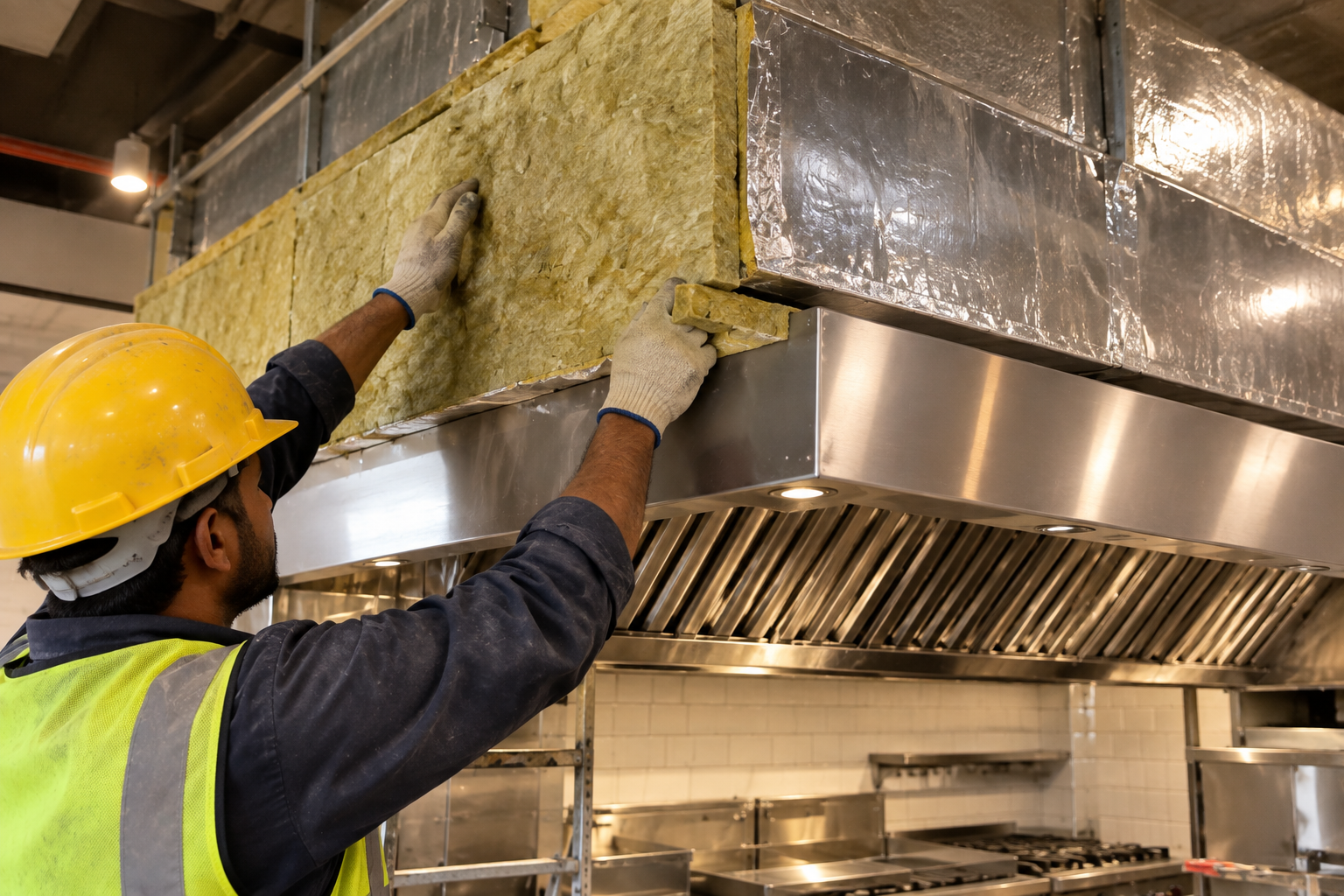
While the two types of insulation have much in common, the differences are significant enough that choosing between the two shouldn’t be done on a whim. Rockwool’s superior fire resistance makes it the clear favorite for fire rated construction, and its water resistance is a major factor in humid climates. For a residential building with no special requirements, glass wool will often provide the same degree of thermal performance at a lower cost.
Myth 7: A Vapor Barrier Is Unnecessary If I’ve Installed Good Quality Insulation
Insulation and vapor barriers serve completely different purposes, and the presence of good quality insulation has no bearing on whether or not one is needed. In Pakistan’s monsoon season, buildings without vapor barriers can suffer water damage and mold growth due to moisture in the air that has nothing to do with roof integrity. In an insulated wall cavity, moisture can easily build up on the warm side of the insulation, causing similar issues.
Myth 8: Insulation Installation Is a Non-Issue
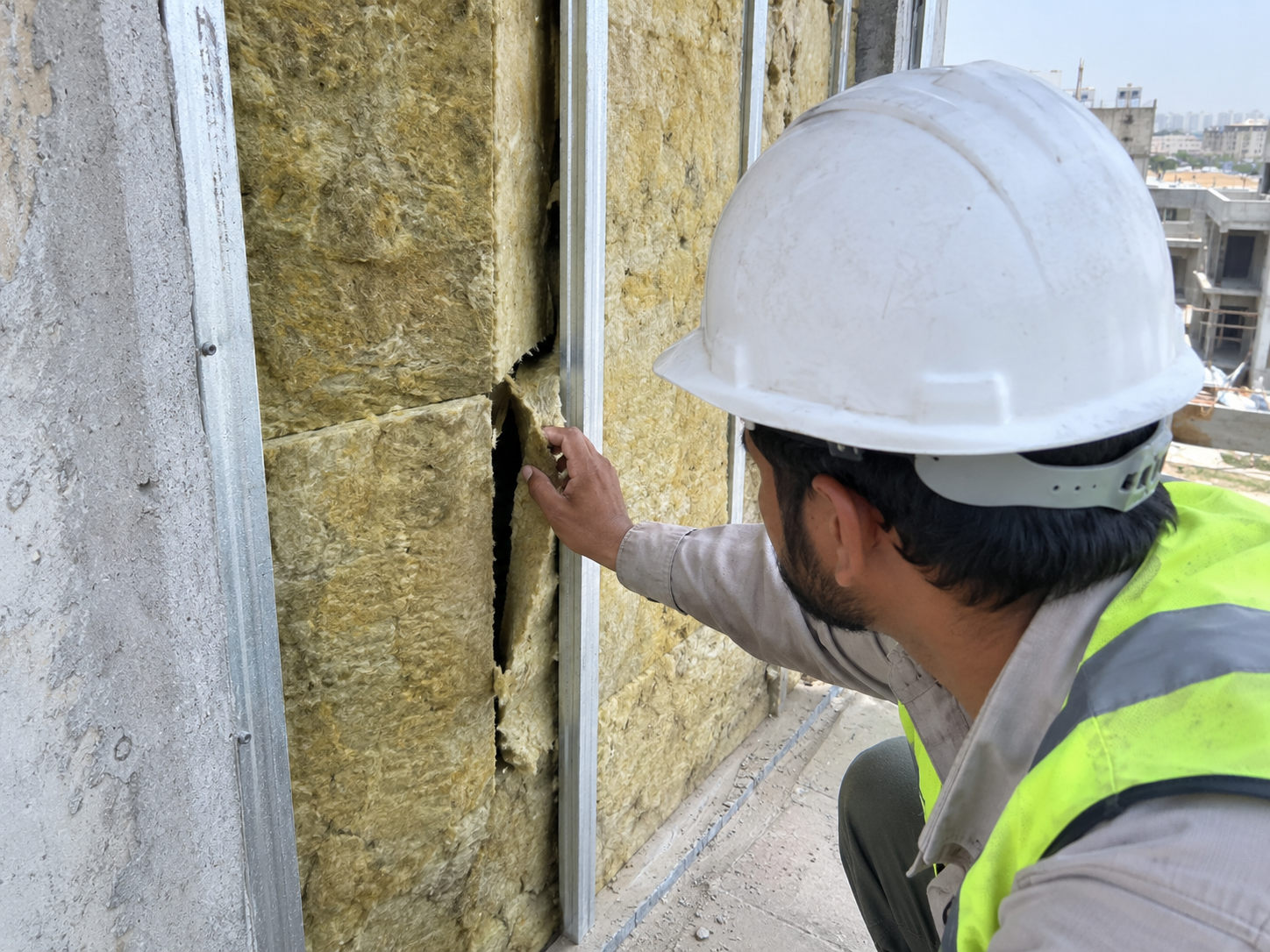
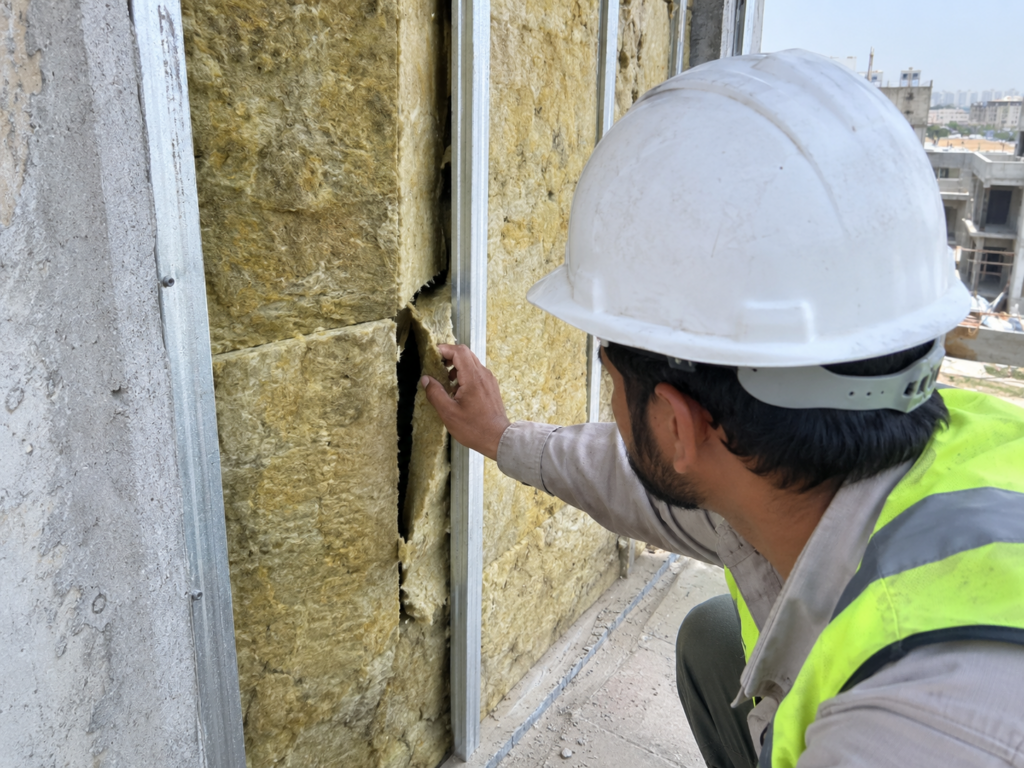
A gap in the insulation at a junction or around a pipe penetration can easily undermine an otherwise good job. Thermal bridging at these weak points defeats the purpose of the insulation job, and in fire rated partitions, can render the whole wall or roof non-compliant with fire safety standards.
Myth 9: Insulating an Old Building Will Not Be Cost Effective
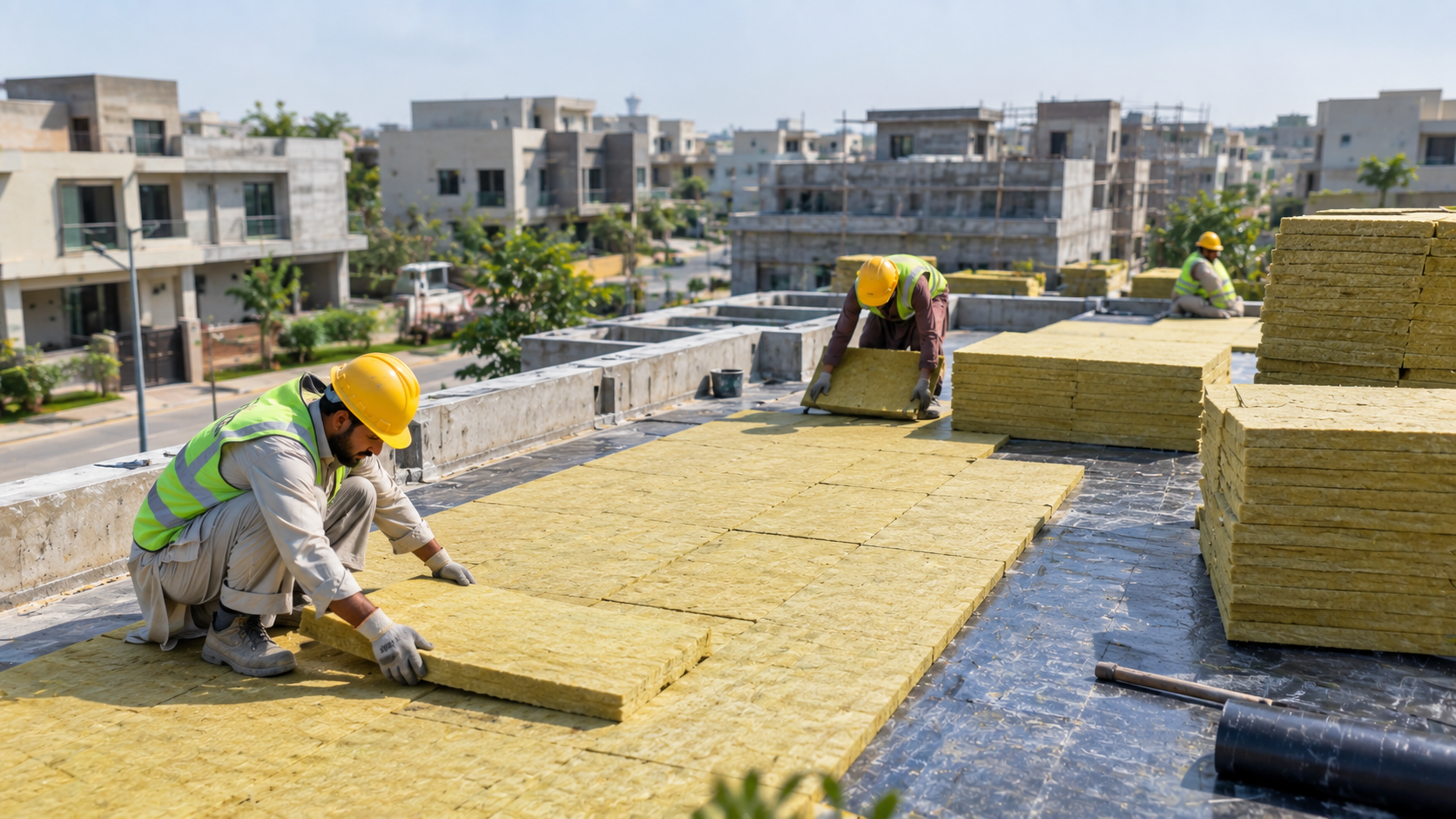
Many building owners I speak with have told me that they feel there’s no point in adding insulation to an older building that didn’t have any when it was first constructed. In most cases, I disagree. The energy savings from retrofitted roof insulation can often be seen in a matter of months, and an older building will see far greater savings from an insulation retrofit than a newer one.
Why Are These Myths Costly?
All of the myths in this list have the same kind of impact on a project budget, just in varying degrees. They lead to either spending more money than necessary on insulation, missing out on savings that could have been had, or installing inadequate insulation for the job. One of the best ways to avoid falling victim to these myths is to remember that insulation is a specification, not a material.
A conversation with someone who knows what they’re talking about regarding the variables that affect which insulation is right for your building will almost always save you money in the long run.
FAQs
Does thicker insulation mean better performance?
While thicker insulation will always perform better than thinner insulation, there comes a point where the increase in performance isn’t worth the increase in cost.
Is insulation only necessary in hot regions of Pakistan?
Insulation is just as useful in the colder months, as it prevents heat from escaping a building as well as entering it.
Can I use rockwool and glass wool interchangeably?
While the two types of insulation have much in common, the differences are significant enough that choosing between the two shouldn’t be done on a whim.
Do I still need a vapor barrier if I use high-quality insulation?
Insulation and vapor barriers serve completely different purposes, and the presence of good quality insulation has no bearing on whether or not one is needed.
Is it too late to add insulation to an older building?
The energy savings from retrofitted roof insulation can often be seen in a matter of months, and an older building will see far greater savings from an insulation retrofit than a newer one.
Contact Pakistan Insulations today for a free consultation and quote.
Phone: +92-21-34529722
Email: [email protected]
Website: www.pakinsulation.com