Basement & Underground Parking Insulation in Pakistan: Waterproofing and Thermal Performance
Quick answer: Pakistani basements and underground parking structures require both waterproofing and thermal insulation, although for distinct reasons. Waterproofing protects the building from moisture damage and deterioration. Thermal insulation allows control of temperatures and helps to reduce costs. Based on the building’s function, location, and the climate, the approach adopted should be relevant.
In the last ten years, the building industry in Pakistan has improved significantly. More infrastructure such as high rise buildings and commercial facilities have been supplemented with multi leveled buildings and parking spaces in and around the major cities such as Karachi, Lahore, and Islamabad. Building under the ground is faster and cheaper; however, in cities with heavily contrasting weather, building underground presents a unique challenge especially for first-time developers.
Basements and parking spaces built underground are more exposed to conditions like moisture, humidity, and even chemical contamination from the soil. Getting it wrong on the insulation front can lead to discomfort for residents, fast deterioration of the building, and high energy costs due to a lot of unnecessary and avoidable repairs.
This report will cover the most pertinent considerations of insulating below ground in Pakistan, as they are order of importance, waterproofing and thermal performance.
What Is Unique About Insulating Below Ground Compared to Above Ground?
Soil is not as neutral as you might think. It has the ability to retain moisture. It also conducts and absorbs heat better than air, and builds pressure on concrete walls and slabs. Soils in the coastal regions of Pakistan (including Karachi) have accelerated moisture ingress due to high groundwater tables and constant moisture. Soils in cities like Lahore and Multan, which are inland and drier, still pose a significant heat absorption risk during sweltering summers.
This means that the insulation strategy for a basement or parking structure must address two threats simultaneously: moisture and heat.
What Is Waterproofing Insulation, and When Does It Matter Most?
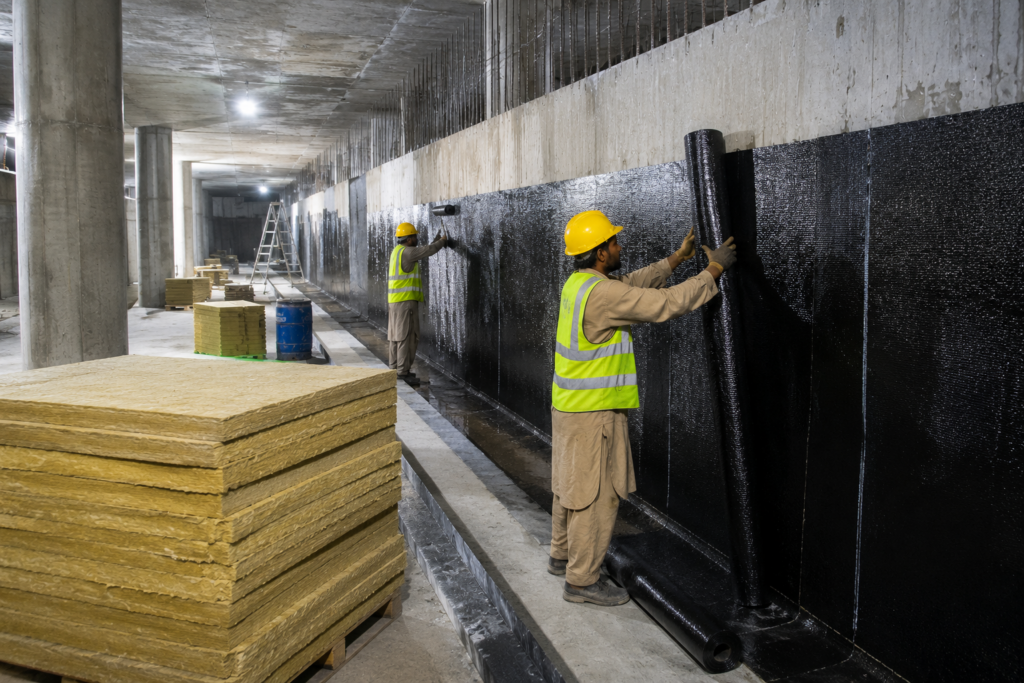
Waterproofing is the application of membranes or coating of a substrate of concrete to block moisture. In regard to underground structures, this usually involves the installation of external waterproofing membranes and drainage layers along with integral crystalline waterproofing compounds that are added to the concrete itself.
In Pakistan, insufficient waterproofing is one of the main reasons for deterioration of below-grade structures. Water retention causes the corrosion of reinforced steel, the spalling of concrete, and the growth of mold and mildew, which creates poor air quality and further erodes the structure.
When waterproofing should be the primary focus:
- Sites with high groundwater or sites with poor soil drainage
- Exposed to saltwater like in some of the coastal zones of Karachi
- Basements where people live, store things, or put server rooms
- Places where moisture damage will harm sensitive equipment or things
Polyurethane materials are the most used materials for waterproofing due to their flexibility and hydrostatic pressure resistance. Since 1995 Pakistan Insulations (Pvt) Ltd has been using polyurethane materials for insulation in cold storage and even cryogenic applications, which provides a reference for the material as it is exposed to moisture continuously.
What Is Thermal Insulation for Underground Spaces, and Why Does It Matter in Pakistan?
Thermal insulation of underground structures reduces the transfer of heat from the inside of the building to the outside soil or the surrounding environment. While soil provides some resistance to extreme temperatures of the air, it wouldn’t be sufficient enough to insulate as the outdoor temperatures would be constantly changing.
In Pakistan, most underground parking areas of commercial and/or mixed use buildings, have a lot of issues during the summer months as the parking areas have no thermal insulation. Thermal insulation is necessary to prevent the concrete of the structures from absorbing too much heat and causing the internal structures to sweat, increasing the temperature and stressing the HVAC system.
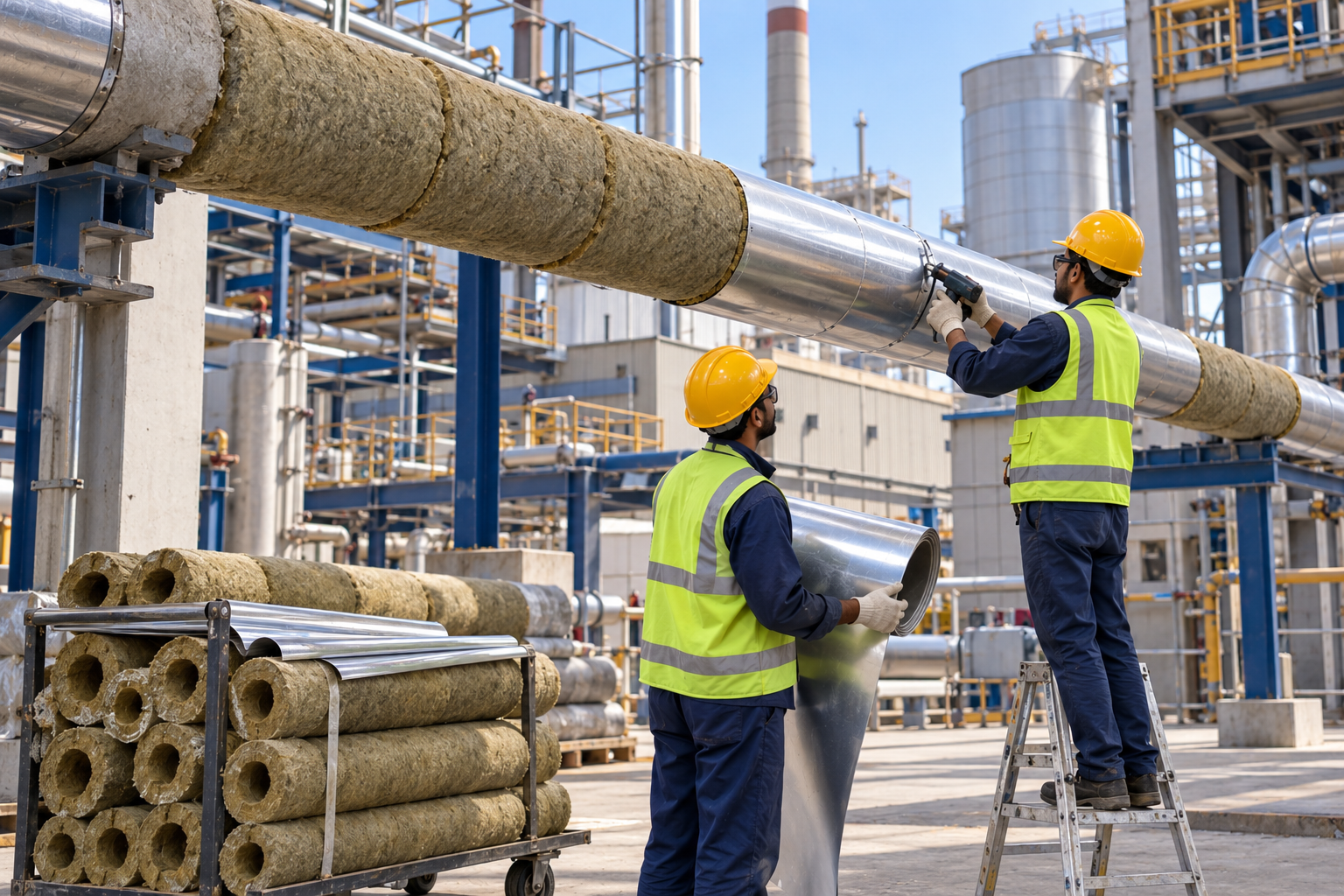
In these situations, Rockwool is a good choice for thermal applications. Since 1986, Pakistan Insulations (Pvt) Ltd manufactures Rockwool, making it one of the first thermal insulation products in the country. As one of the more versatile insulation products, Rockwool is strong against heat loss and fire, making it an excellent choice for parking structures, given their need for both heat and noise control.
In what instances is thermal insulation a priority?
- Parking garages in high rise commercial buildings
- Basement greenhouses for horticultural equipment
- Buildings or projects built to high standards of energy efficiency
- Buildings with a focus on sustainable strategies
In What Instances Are Both Waterproofing and Thermal Insulation Necessary, and Which Should Come First?
The basement used for machinery will have thermal insulation to avoid fluctuations in temperature. A basement used for retail will need a waterproof barrier first to protect the building, with thermal insulation added to reduce energy consumption and keep the space comfortable. The demands of an underground parking garage in Karachi will vary from that in Peshawar due to variations in temperature, groundwater columns and humidity.
The key lies in an integrated system that addresses both issues from the start, ideally when the structure is designed. Thermal insulation and waterproofing systems installed as a retrofit after construction is both costlier and less effective than installing one during construction.
Which Insulation Materials Are Best for Basements and Underground Parking in Pakistan?
Rockwool (Mineral Wool)
Best for: Installing above slab, thermal and acoustic insulation at plant rooms and interior wall assemblies.
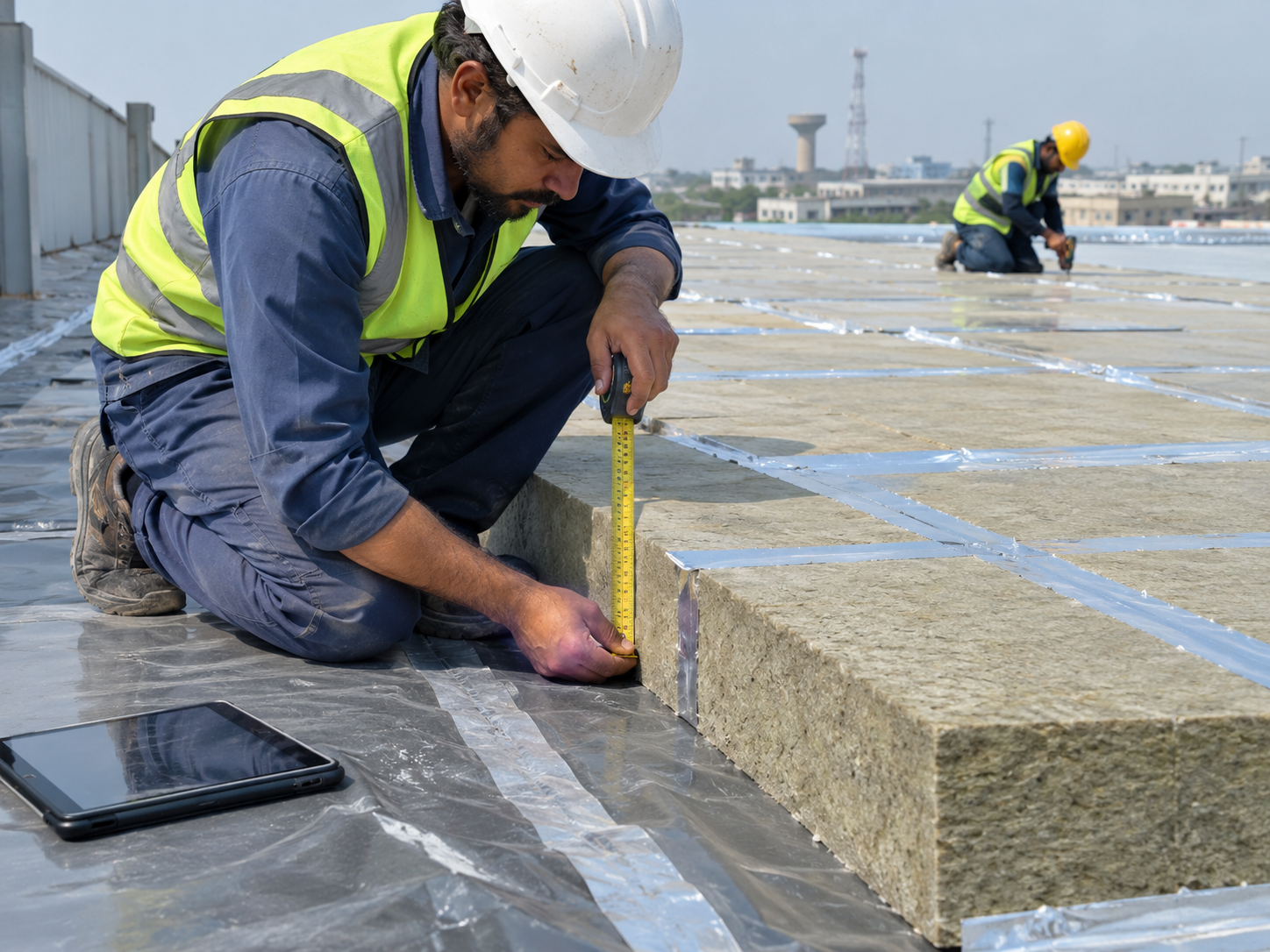
Rockwool provides excellent thermal resistance (low thermal conductivity) and resistance to fire, as well as high sound absorption. Due to these characteristics, Rockwool is an excellent option as basement ceiling and interior wall insulation materials.
Polyurethane Foam
Best for: Cold surfaces, waterproofing, and seamless, continuous, high quality barrier membranes.
Polyurethane foam is able to seal concrete surfaces and provide a moisture barrier that prevents the loss of heat. For cold storage basements and other sub surface spaces, this is extremely useful to maintain constant internal temperatures.
Composite Systems
For larger, more high-end commercial and industrial developments in Pakistan, a system of waterproofing and insulation membranes that make use of Rockwool on the inner surface and a waterproofing polyurethane membrane on the outer surface is becoming more common.
Best Practices for Below Grade Insulation Installation
Even the most experienced contractors working on underground insulation systems usually adopt the following common practices:
Drainage layer omission: Hydrostatic pressure will be able to affect high quality waterproof membranes if there is no drainage layer.
Use of above grade materials below grade: Not all insulation products can be used continuously in contact with moisture. Always ensure product appropriateness for sub-grade use.
Ignoring thermal bridges: Concrete columns and edges of concrete slabs that do not contact the insulation layer create thermal bridges and reduce the effectiveness of the entire system.
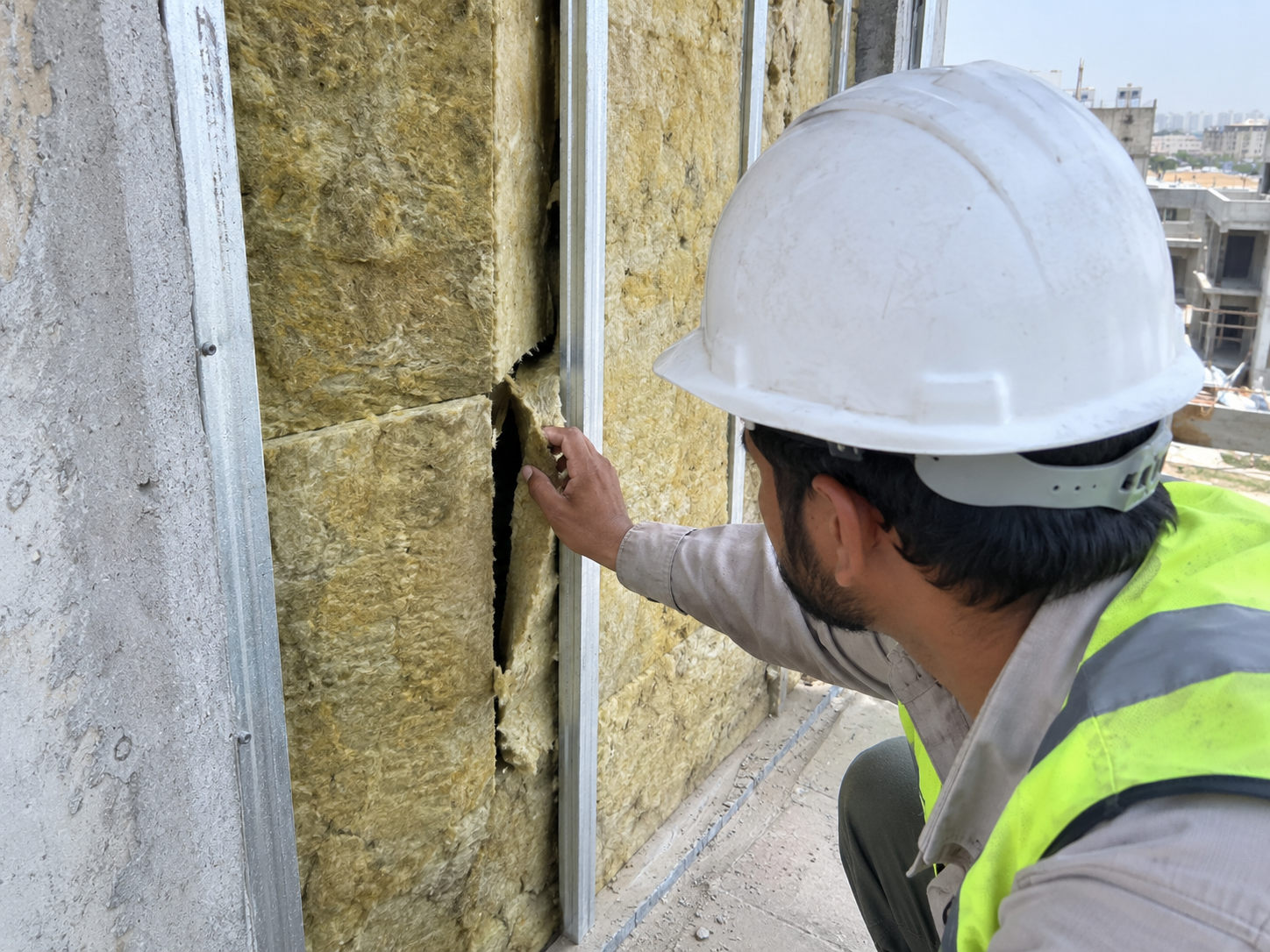
Inadequate surface preparation: Waterproofing membranes and insulation boards require a clean, dry, and structurally sound substrate.
Making the Right Choice for Your Project
Waterproofing, thermal insulation, or both, depends on how the space is intended to be used, the location of the building, and the performance criteria the project needs to meet.
Pakistan Insulations (Pvt) Ltd., with a wealth of experience in the industrial, commercial, and infrastructural sectors across Pakistan, provides material and installation services for a variety of below-grade applications and engages early on in a project to minimize costs for developers building large projects in Pakistan.
Getting the insulation in basements and parking areas correctly situated is not a luxury; it is a structural and functional imperative. The materials to do so are available in Pakistan as are the engineers and contractors to do the work at a cost that is lower than having to address the failure to do it later and remedy the situation.
Frequently Asked Questions
What is the best insulation material for underground parking in Pakistan?
Rockwool is commonly used for thermal and acoustic insulation on above-slab constructions. For underground parking constructions in Pakistan, polyurethane is the preferred choice. For the best results, composite systems integrating both materials are recommended.
Does dry soil mean that underground construction in Pakistan doesn’t require waterproofing?
No. While the ground may appear to be dry, hydrostatic pressure can result in water flowing through the cracks. All underground construction should have waterproofing.
How much does underground construction insulation cost in Pakistan?
The final cost will depend on the volume, site conditions, and the insulation selected. Both polyurethane foam and rockwool systems are available for installation in Pakistan, and are cost competitive when compared to their import counterparts. For the most accurate cost estimation, a local installer like Pakistan Insulations (Pvt) Ltd should be contacted.
Does insulation of basement and underground parking spaces reduce energy costs in commercial spaces?
Yes. Concrete requires a significant investment in energy in order to counterbalance the heat gain experienced by the material, and as such, requires a significant load on the HVAC system. Insulated parking structures will require less energy, thus driving lower costs over the useful life of the facility.
Is Rockwool waterproof?
No. Rockwool should not be used for external, below grade applications. It should also be avoided for moisture contact applications.
Contact Pakistan Insulations today for a free consultation and quote.
Phone: +92-21-34529722
Email: [email protected]
Website: www.pakinsulation.com